Hero Projects : The Russian Empire and Big Technology from Lenin to Putin
Book Details
Format
Hardback
ISBN-10
0197698395
ISBN-13
9780197698396
Publisher
Oxford University Press Inc
Imprint
Oxford University Press Inc
Country of Manufacture
GB
Country of Publication
GB
Publication Date
Mar 20th, 2024
Print length
344 Pages
Weight
650 grams
Dimensions
16.40 x 24.40 x 2.70 cms
Product Classification:
European historyGeopoliticsEuropean history
KSh 9,550.00
Currently unavailable
0 in stock
Delivery Location
Delivery fee: Select location
Secure
Quality
Fast
From Lenin and Stalin to Putin, Russia''s economic development has relied on large scale technologies. These technologies--often called "hero projects," "projects of the century," or "megaprojects"--have been central to the nation''s economic growth and military power. Despite their massive environmental and social costs, hero technologies moved ahead in service of the unbridled interests of state officials, the hubris of engineers, and the coalescence of the masses under a national ideology of glorious achievement and military grandeur. In Hero Projects, Paul R. Josephson traces how, over the last one hundred years, the Russian tsars, commissars, and oligarchs embraced megaprojects to create the world''s largest empire. Built by peasants, gulag prisoners, and Communist volunteers, the wide-ranging projects--including pipelines across the tundra, railroads from Europe to the Pacific Ocean, hydropower stations and canals from the northwest to arid Central Asia, and nuclear facilities--forever altered the landscape, politics, and society. As Josephson argues, if hero projects were embraced by the public as showcasing technological wonder, they have always ultimately served to enrich the Kremlin and demonstrate the nation''s technological prowess on the global stage. And they continue to be a major feature of authoritarian Russian political rule in the twenty-first century; having rebuilt Russia''s resource state and pushed a self-proclaimed "renaissance" of nuclear weapons and reactors, Putin has determined in 2022 to expand the empire to its Soviet borders by war on Ukraine, in Crimea, and against Georgia and Moldova. Sweeping in scope, Hero Projects establishes the strong continuities in political culture in Russian history; reshapes the meaning of empire, extending it to include internal colonization; and expands environmental and social history through the study of big technology.
Get Hero Projects by Paul R. Josephson at the best price and quality guaranteed only at Werezi Africa's largest book ecommerce store. The book was published by Oxford University Press Inc and it has 344 pages.
Customers Who Bought This Also Bought
Age of Revolutions
KSh 2,350.00

Eichmann in Jerusalem
KSh 2,350.00

Trouble With Being Born
KSh 2,000.00

Hiroshima
KSh 2,000.00
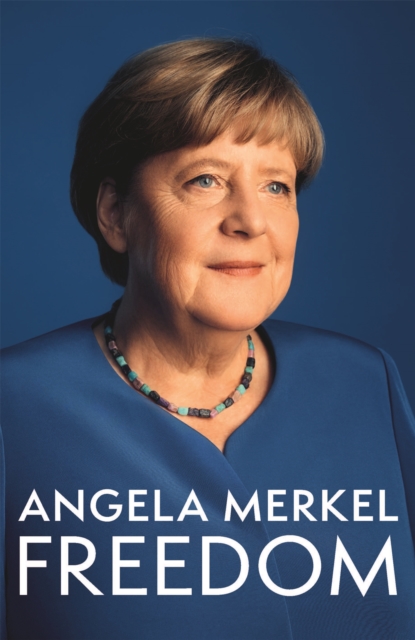
Freedom
KSh 6,300.00

Holocaust
KSh 2,700.00
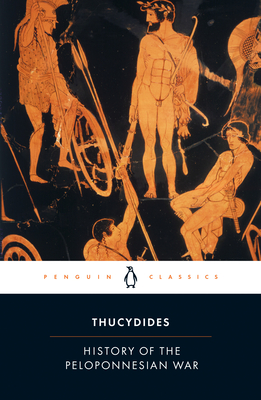
The History of the Peloponnesian War
KSh 2,700.00
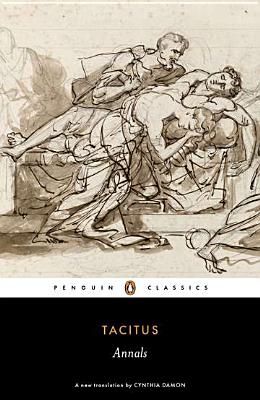
Annals
KSh 2,350.00
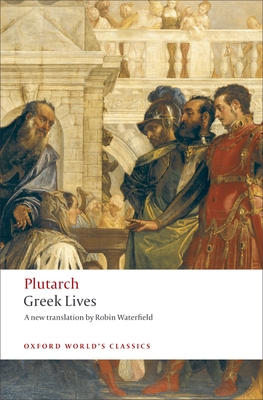
Greek Lives
KSh 2,150.00
Sleepwalkers
KSh 3,400.00

Napoleon The Great
KSh 3,600.00
Diary of a Young Girl
KSh 1,800.00