

High Command : British Military Leadership in the Iraq and Afghanistan Wars
2 Revised edition
Book Details
Format
Paperback / softback
Book Series
Conflict Classics
ISBN-10
1849048134
ISBN-13
9781849048132
Edition
2 Revised edition
Publisher
C Hurst & Co Publishers Ltd
Imprint
C Hurst & Co Publishers Ltd
Country of Manufacture
GB
Country of Publication
GB
Publication Date
May 31st, 2017
Print length
320 Pages
Weight
406 grams
Dimensions
13.80 x 21.40 x 3.00 cms
Product Classification:
United Kingdom, Great BritainIraqAfghanistan21st century, c 2000 to c 2100Early 21st century c 2000 to c 2050Afghan WarIraq WarPolitical control & freedomsPolitical control and freedomsWar & defence operationsWar and defence operationsMilitary history: post-WW2 conflictsMilitary history: post-WW2 conflicts
KSh 2,950.00
Currently unavailable
0 in stock
Delivery Location
Delivery fee: Select location
Secure
Quality
Fast
Why didn't the British Military high command achieve much better results in 2000-10 in Iraq and Afghanistan, and what accounts for this poor performance?
** Includes a New Postcript ''The Chilcot Report—Early Thoughts on Military Matters''** From 2001 Britain supported the United States in wars in Iraq and Afghanistan. ''Victory'' in such conflicts is always hard to gauge and domestic political backing for them was never robust. For this, the governments of Tony Blair and Gordon Brown were held responsible, and paid the price, but the role played by the High Command in the Ministry of Defence also bears examination. Critics have noted that the armed services were riven by internal rivalry and their leadership was dysfunctional, but the truth is more complicated.In his book Elliott explores the circumstances that led to these wars and how the Ministry of Defence coped with the challenges presented. He reveals how the Service Chiefs were set at odds by the system, almost as rivals in the making, with responsibility diffuse and authority ambiguous. The MoD concentrated on making things work, rather than questioning whether what they were being asked to do was practicable.
Get High Command by Christopher L. Elliott at the best price and quality guaranteed only at Werezi Africa's largest book ecommerce store. The book was published by C Hurst & Co Publishers Ltd and it has 320 pages.
Customers Who Bought This Also Bought

All the Presidents’ Wars
KSh 2,700.00

Embed
KSh 3,350.00
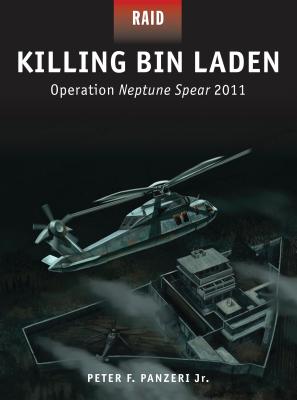
Killing Bin Laden
KSh 2,900.00
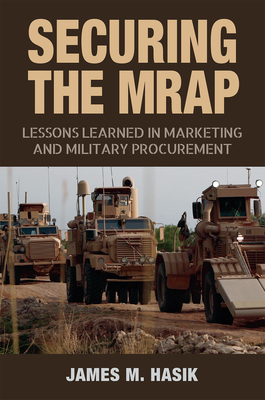
Securing the MRAP
KSh 6,500.00
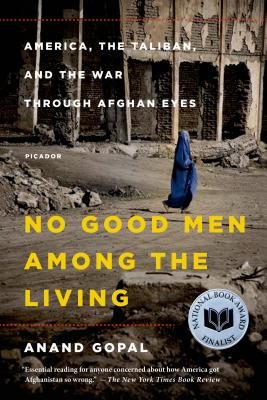
No Good Men Among the Living
KSh 2,350.00

Power and Authority in Afghanistan
KSh 5,400.00
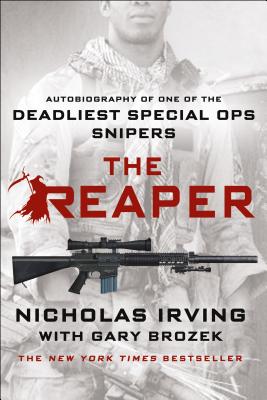
The Reaper
KSh 3,600.00

Killing the Killers
KSh 3,400.00

Little America
KSh 1,600.00

Fall of Kabul
KSh 1,800.00

Red Platoon
KSh 2,150.00

End Game
KSh 1,800.00
