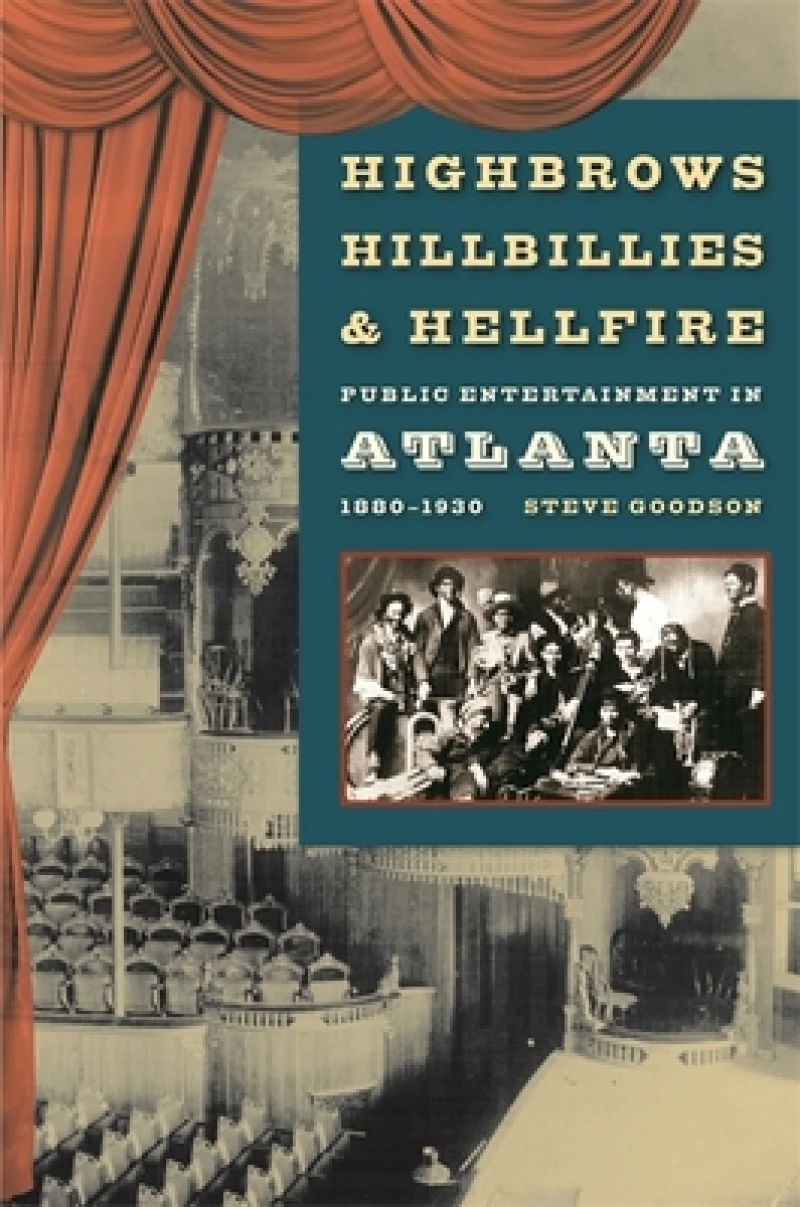
Highbrows, Hillbillies & Hellfire : Public Entertainment in Atlanta, 1880-1930
Book Details
Format
Paperback / Softback
ISBN-10
0820329304
ISBN-13
9780820329307
Publisher
University of Georgia Press
Imprint
University of Georgia Press
Country of Manufacture
US
Country of Publication
GB
Publication Date
May 1st, 2007
Print length
272 Pages
Weight
454 grams
Dimensions
22.90 x 15.20 x 1.80 cms
Product Classification:
Dance & other performing artsDanceSocial & cultural historySocial and cultural history
Ksh 6,050.00
Werezi Extended Catalogue
0 in stock
Delivery Location
Delivery fee: Select location
Secure
Quality
Fast
Goodson's social and cultural history looks at the public amusements available to Atlantans on the eve of the Great Depresssion, including theater, vaudeville, dime museums, movies, radio, and classical, blues, and country music. He finds that race and evangelical Christianity heavily influenced the ways in which Atlantans went about their fun.
From the end of Reconstruction to the eve of the Great Depression, Atlanta was the New South's "Gate City." Steve Goodson's social and cultural history looks at the variety of public amusements available to Atlantans of the day, including theater, vaudeville, dime museums, movies, radio, and classical, blues, and country music. Revealed in the ways its people embraced or condemned everything from burlesque to opera is an Atlanta unsure of its identity and acutely sensitive of its image in the eyes of the nation. While the general populace hungered for novelty and diversion, middle-class Atlantans, white and black, saw entertainment as a source of—or threat to—status and respectability. Goodson traces the roots of this tension to the city's rapid and problematic growth, its uncomfortably diverse population, and its multiplying ties to national markets. At the same time he portrays some lively individuals who shaped Atlanta's entertainment scene. Among them are impresario Laurent DeGive, tightrope walker Professor Leon, patent-medicine salesman Yellowstone Kit, country music great Fiddlin' John Carson, and blues legends Bessie Smith and Blind Willie McTell. Goodson also brings alive the atmosphere of such venues as DeGive's resplendent Grand Opera House, George Johnson's tacky Museum of Living Wonders, the pioneering Trocadero vaudeville house, and the notorious 81 Theater on Decatur Street, an avenue whose decadent promise rivaled that of Beale in Memphis and Bourbon in New Orleans. Milestone trends and events are also showcased: performances of the play Uncle Tom's Cabin and showings of the film Birth of a Nation, visits by the Metropolitan Opera Company, the debate over Sunday entertainment, the beginning of broadcasts by "The Voice of the South"—radio station WSB—and the rise of Atlanta as the earliest capital of country and blues recording. Accepted historical views of public entertainment in America suggest that ethnicity and class would be the most pronounced forces shaping this aspect of Atlanta's popular culture. Goodson finds, however, that race and evangelical Christianity also heavily influenced the circumstances in which Atlantans went about their fun. With implications for the entire urban South, this is an engaging look at how and why its major city once grasped at sophistication and progress with one hand while pushing it away with the other.
Get Highbrows, Hillbillies & Hellfire by at the best price and quality guaranteed only at Werezi Africa's largest book ecommerce store. The book was published by University of Georgia Press and it has pages.