
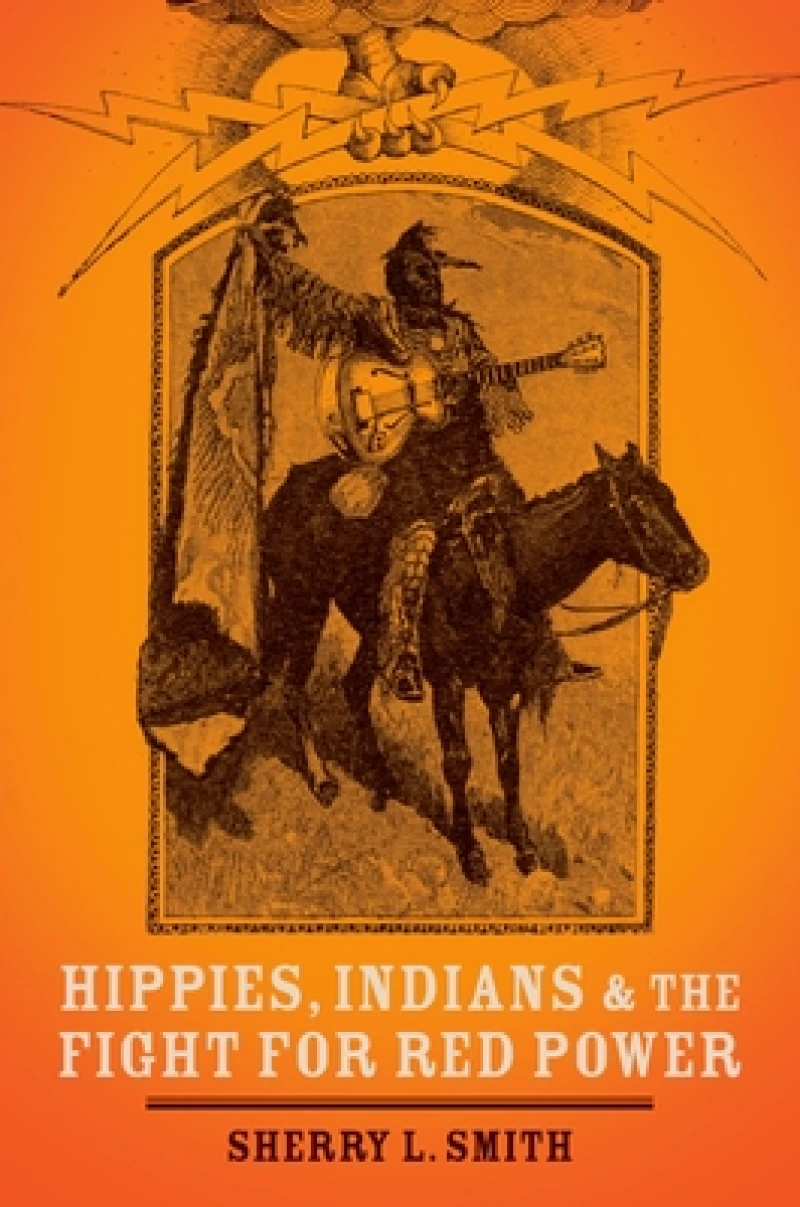
Hippies, Indians, and the Fight for Red Power
Book Details
Format
Hardback or Cased Book
ISBN-10
0199855595
ISBN-13
9780199855599
Publisher
Oxford University Press Inc
Imprint
Oxford University Press Inc
Country of Manufacture
GB
Country of Publication
GB
Publication Date
May 24th, 2012
Print length
280 Pages
Weight
586 grams
Dimensions
24.10 x 16.20 x 2.40 cms
Ksh 9,950.00
Manufactured on Demand
0 in stock
Delivery Location
Delivery fee: Select location
Secure
Quality
Fast
This book explains how, and why, hippies, Quakers, Black Panthers, movie stars, housewives, and labor unions, to name a few, supported Indian demands for greater political power and separate cultural existence in the modern United States.
Through much of the 20th century, Federal policy toward Indians sought to extinguish all remnants of native life and culture. That policy was dramatically confronted in the late 1960s when a loose coalition of hippies, civil rights advocates, Black Panthers, unions, Mexican-Americans, Quakers and other Christians, celebrities, and others joined with Red Power activists to fight for Indian rights. In Hippies, Indians, and the Fight for Red Power, Sherry Smith offers the first full account of this remarkable story. Hippies were among the first non-Indians of the post World War II generation to seek contact with Native Americans. The counterculture saw Indians as genuine holdouts against conformity, inherently spiritual, ecological, tribal, communal--the original "long hairs." Searching for authenticity while trying to achieve social and political justice for minorities, progressives of various stripes and colors were soon drawn to the Indian cause. Black Panthers took part in Pacific Northwest fish-ins. Corky Gonzales'' Mexican American Crusade for Justice provided supplies and support for the Wounded Knee occupation. Actor Marlon Brando and black comedian Dick Gregory spoke out about the plight of Native Americans. For their part, Indians understood they could not achieve political change without help. Non-Indians had to be educated and enlisted. Smith shows how Indians found, among this hodge-podge of dissatisfied Americans, willing recruits to their campaign for recognition of treaty rights; realization of tribal power, sovereignty, and self determination; and protection of reservations as cultural homelands. The coalition was ephemeral but significant, leading to political reforms that strengthened Indian sovereignty. Thoroughly researched and vividly written, this book not only illuminates this transformative historical moment but contributes greatly to our understanding about social movements.
Get Hippies, Indians, and the Fight for Red Power by at the best price and quality guaranteed only at Werezi Africa's largest book ecommerce store. The book was published by Oxford University Press Inc and it has pages.

