
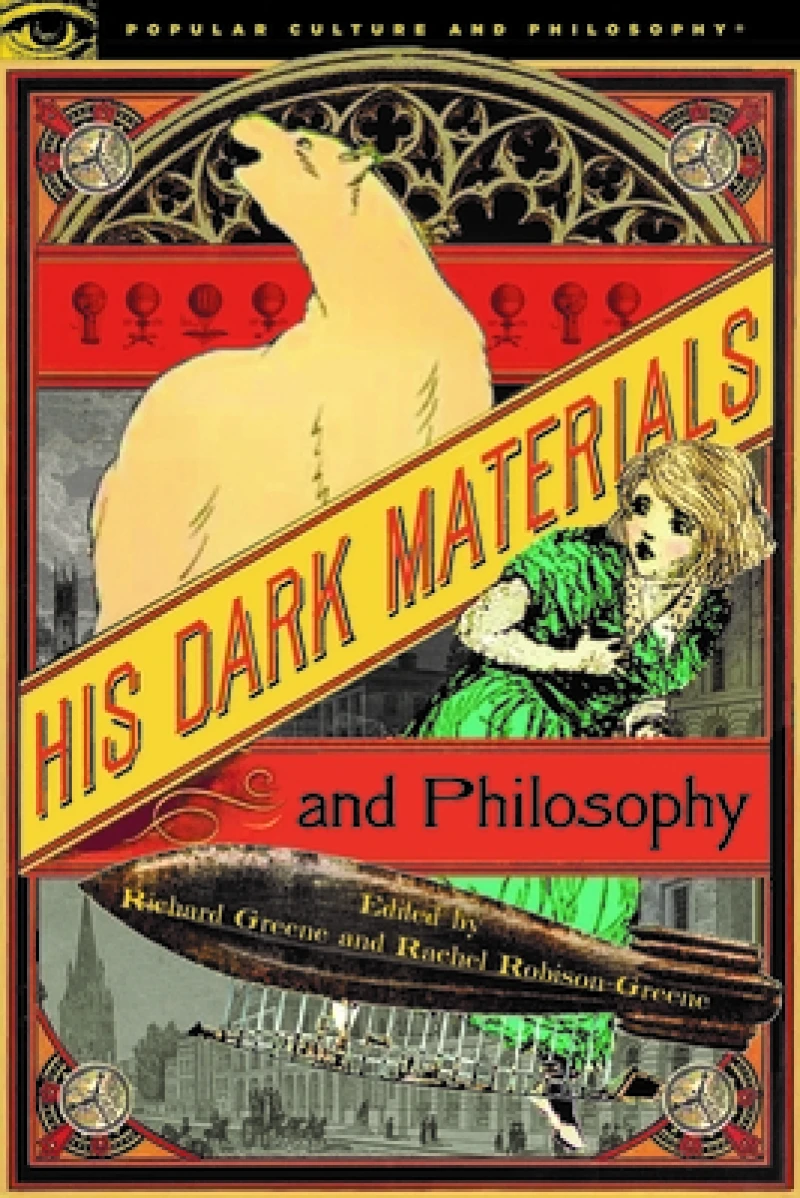
His Dark Materials and Philosophy
Book Details
Format
Paperback / Softback
Book Series
Popular Culture and Philosophy
ISBN-10
0812694864
ISBN-13
9780812694864
Publisher
Open Court Publishing Co ,U.S.
Imprint
Open Court Publishing Co ,U.S.
Country of Manufacture
US
Country of Publication
GB
Publication Date
Aug 27th, 2020
Print length
256 Pages
Weight
308 grams
Dimensions
15.30 x 22.60 x 1.40 cms
Product Classification:
TelevisionPhilosophy
Ksh 2,700.00
Werezi Extended Catalogue
Delivery in 14 days
2 copies in stock
Delivery Location
Delivery fee: Select location
Delivery in 14 days
Secure
Quality
Fast
Philosophers explain and criticize many controversial aspects of the ambitious new TV show, His Dark Materials.
The new TV series, His Dark Materials, is based on the series of novels by Philip Pullman, depicting a young girl’s adventures in an imaginary world with similarities and dissimilarities to our own. The story tells of world domination by a religious body, the Magisterium, with malevolent intentions, serving a really existing God who is evil and who can be killed. The story, in all its manifestations, as novels, movies, and television shows, has received fierce criticism from religious organizations, especially because its criticisms of religion are aimed primarily at children.
While the story is a thrilling adventure yarn, enjoyed by millions of children and grownups alike, it raises many philosophical issues. In the world of His Dark Materials (or one of its many worlds) humans have an animal companion to which they are emotionally linked and which is like an external ‘soul’. This provokes questions about the human personality and the way we think of humans as having bodies, minds, and maybe also souls. Human psychology can be analyzed by psychoanalysis and other theories, some of which are explored in His Dark Materials and Philosophy.
Questions of social and political philosophy are also prompted by the story of His Dark Materials. The malignant Magisterium has similarities with the various churches and other religious organizations which have wielded tremendous power both politically and culturally, throughout human history. The relation of the Magisterium to the mysterious “dust” which pervades the universe helps us to understand the relationship of science, religion, and metaphysics.
Ever since Friedrich Nietzsche proclaimed that “God is dead,” the question of what Nietzsche meant and what are the consequences of the death of God has agitated many thinkers, and so the story in which God is actually killed enables a closer look at the death of God.
A popular theme in philosophy and in modern fantasy stories, is that of possible worlds, including how possible worlds relate to parallel worlds. His Dark Materials has many alternative worlds (one of which happens to be our own) and is filled with rich materials for discussion of these questions.
His Dark Materials is a good example of a good story, and therefore provides materials for the branch of philosophy called aesthetics, especially the aesthetics of storytelling. We can learn what makes a good story from thinking about specific stories such as His Dark Materials.
One chapter looks at the existentialist implications of the story, another at the feminist implications, and another at the Marxist interpretation. Other chapters focus on specific aspects of metaphysics and epistemology, as well as controversial topics in ethics and philosophy of religion.
While the story is a thrilling adventure yarn, enjoyed by millions of children and grownups alike, it raises many philosophical issues. In the world of His Dark Materials (or one of its many worlds) humans have an animal companion to which they are emotionally linked and which is like an external ‘soul’. This provokes questions about the human personality and the way we think of humans as having bodies, minds, and maybe also souls. Human psychology can be analyzed by psychoanalysis and other theories, some of which are explored in His Dark Materials and Philosophy.
Questions of social and political philosophy are also prompted by the story of His Dark Materials. The malignant Magisterium has similarities with the various churches and other religious organizations which have wielded tremendous power both politically and culturally, throughout human history. The relation of the Magisterium to the mysterious “dust” which pervades the universe helps us to understand the relationship of science, religion, and metaphysics.
Ever since Friedrich Nietzsche proclaimed that “God is dead,” the question of what Nietzsche meant and what are the consequences of the death of God has agitated many thinkers, and so the story in which God is actually killed enables a closer look at the death of God.
A popular theme in philosophy and in modern fantasy stories, is that of possible worlds, including how possible worlds relate to parallel worlds. His Dark Materials has many alternative worlds (one of which happens to be our own) and is filled with rich materials for discussion of these questions.
His Dark Materials is a good example of a good story, and therefore provides materials for the branch of philosophy called aesthetics, especially the aesthetics of storytelling. We can learn what makes a good story from thinking about specific stories such as His Dark Materials.
One chapter looks at the existentialist implications of the story, another at the feminist implications, and another at the Marxist interpretation. Other chapters focus on specific aspects of metaphysics and epistemology, as well as controversial topics in ethics and philosophy of religion.
Get His Dark Materials and Philosophy by at the best price and quality guaranteed only at Werezi Africa's largest book ecommerce store. The book was published by Open Court Publishing Co ,U.S. and it has pages.

