
Book Details
Format
Hardback or Cased Book
ISBN-10
0810872323
ISBN-13
9780810872325
Edition
Second Edition
Publisher
Scarecrow Press
Imprint
Scarecrow Press
Country of Manufacture
GB
Country of Publication
GB
Publication Date
Oct 10th, 2011
Print length
560 Pages
Weight
994 grams
Dimensions
23.30 x 16.00 x 4.40 cms
Product Classification:
Protestantism & Protestant Churches
Ksh 23,800.00
Manufactured on Demand
Delivery in 29 days
Delivery Location
Delivery fee: Select location
Delivery in 29 days
Secure
Quality
Fast
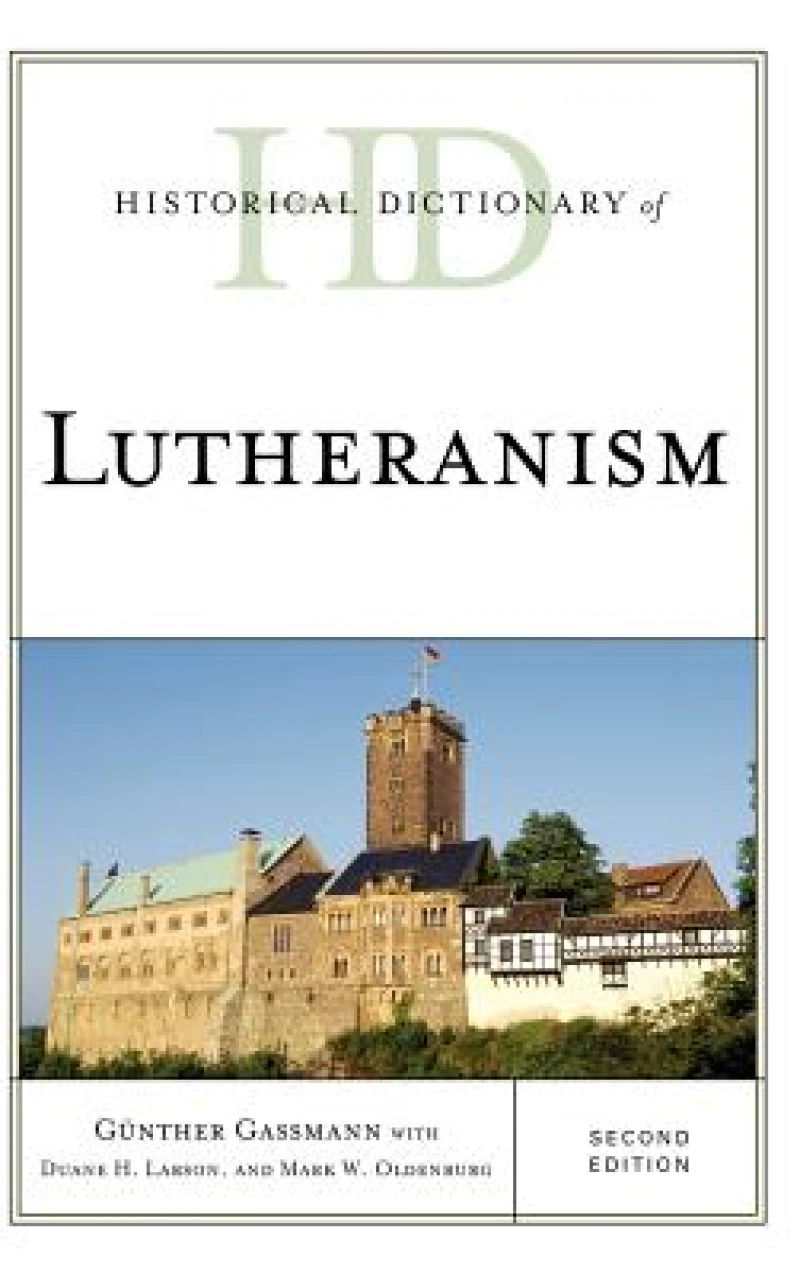
The Reformation of the 16th century was a complex and multifaceted political, social, cultural, and religious process. Most historians agree, however, that in the framework of this process it was the religious and theological efforts to reform and renew the late medieval church—decadent and irrelevant in many ways—that were the initiating forces that set a broad historical movement in motion. Among these reforming religious and theological forces, the Lutheran reform movement was the most important and influential one. It was the historical impact of the theological genius of the Wittenberg professor Martin Luther (1483-1546) that profoundly changed and shaped the face of Europe and beyond. Today, Lutheranism has become a worldwide communion of churches that stretches from Germany to Siberia, Papua New Guinea, Madagascar, and Surinam. The second edition of the Historical Dictionary of Lutheranism presents information on major theological issues, historical developments of Lutheranism worldwide, Lutheran ecumenical and missionary involvement and activities, worship and liturgy, spirituality, social ethics, inter-religious and Jewish relations, Lutheranism and the arts, theology, and important representatives of Lutheranism. This is done through a detailed chronology, an introductory essay, an appendix of Lutheran Churches, a bibliography, and hundreds of cross-referenced dictionary entries. This book is an excellent access point for students, researchers, and anyone wanting to know more about Lutheranism.
Get Historical Dictionary of Lutheranism by at the best price and quality guaranteed only at Werezi Africa's largest book ecommerce store. The book was published by Scarecrow Press and it has pages.

