
Book Details
Format
Hardback or Cased Book
ISBN-10
0810861828
ISBN-13
9780810861824
Edition
Second Edition
Publisher
Scarecrow Press
Imprint
Scarecrow Press
Country of Manufacture
GB
Country of Publication
GB
Publication Date
Nov 16th, 2009
Print length
302 Pages
Weight
512 grams
Dimensions
14.80 x 22.40 x 1.90 cms
Product Classification:
General & world historyMiddle Eastern historyAncient history: to c 500 CE
Ksh 23,100.00
Manufactured on Demand
0 in stock
Delivery Location
Delivery fee: Select location
Secure
Quality
Fast
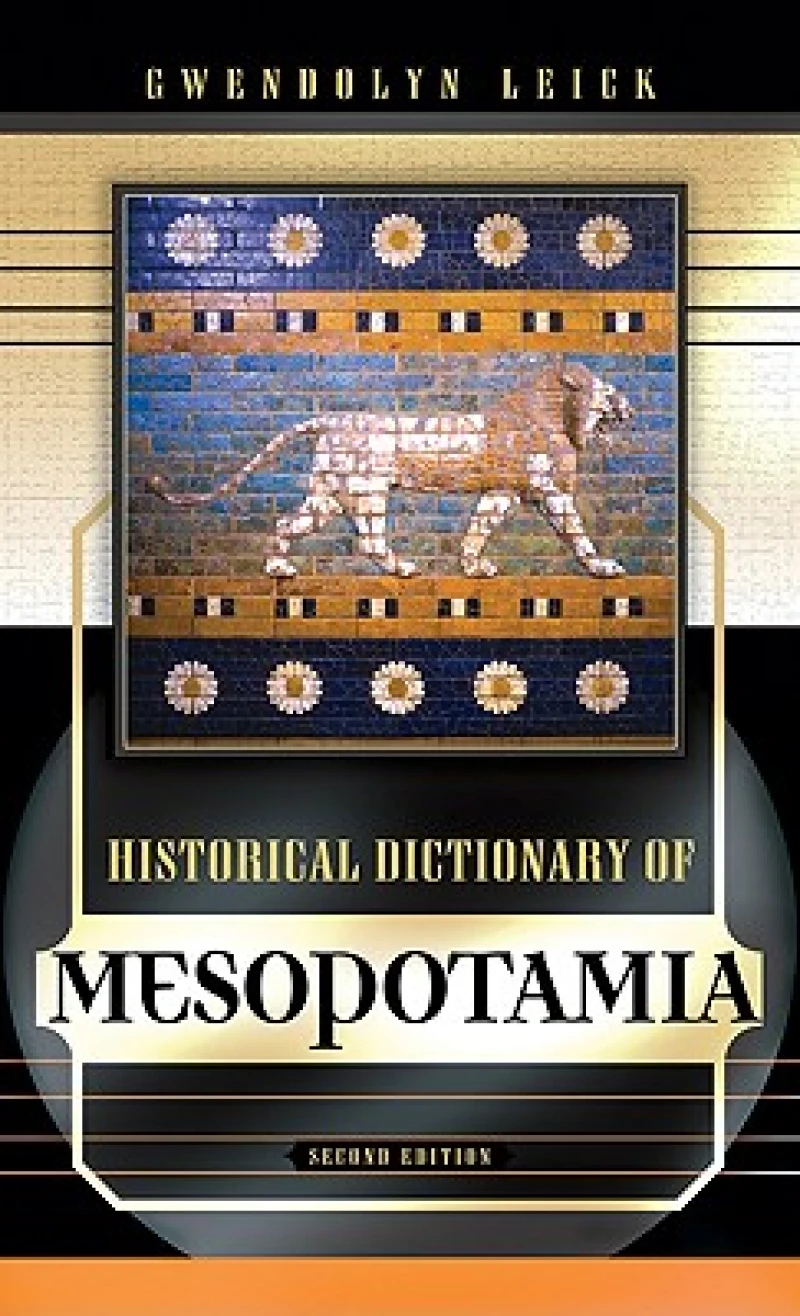
The Greek name Mesopotamia means "land between the rivers." The Romans used this term for an area that they controlled only briefly (between 115 and 117 A.D.): the land between the Euphrates and Tigris rivers, from the south Anatolian mountains ranges to the Persian Gulf. It comprises the civilizations of Sumer and Akkad (third millennium B.C.) as well as the later Babylonian and Assyrian empires of the second and first millennium. Although the "history" of Mesopotamia in the strict sense of the term only begins with the inscriptions of Sumerian rulers around the 27th century B.C., the foundations for Mesopotamian civilization, especially the beginnings of irrigation and the emergence of large permanent settlements, were laid much earlier, in the fifth and fourth millennium. The second edition of the Historical Dictionary of Mesopotamia defines concepts, customs, and notions peculiar to the civilization of ancient Mesopotamia, from adult adoption to ziggurats. This is accomplished through a chronology, an introductory essay, a bibliography, appendixes, and hundreds of cross-reference dictionary entries on religion, economy, society, geography, and important kings and rulers.
The Greek name Mesopotamia means "land between the rivers." The Romans used this term for an area that they controlled only briefly (between 115 and 117 A.D.): the land between the Euphrates and Tigris rivers, from the south Anatolian mountains ranges to the Persian Gulf. It comprises the civilizations of Sumer and Akkad (third millennium B.C.) as well as the later Babylonian and Assyrian empires of the second and first millennium. Although the "history" of Mesopotamia in the strict sense of the term only begins with the inscriptions of Sumerian rulers around the 27th century B.C., the foundations for Mesopotamian civilization, especially the beginnings of irrigation and the emergence of large permanent settlements, were laid much earlier, in the fifth and fourth millennium. The second edition of the Historical Dictionary of Mesopotamia defines concepts, customs, and notions peculiar to the civilization of ancient Mesopotamia, from adult adoption to ziggurats. This is accomplished through a chronology, an introductory essay, a bibliography, appendixes, and hundreds of cross-reference dictionary entries on religion, economy, society, geography, and important kings and rulers.
Get Historical Dictionary of Mesopotamia by at the best price and quality guaranteed only at Werezi Africa's largest book ecommerce store. The book was published by Scarecrow Press and it has pages.

