
Book Details
Format
Hardback or Cased Book
Book Series
Historical Dictionaries of Africa
ISBN-10
1442255900
ISBN-13
9781442255906
Edition
Second Edition
Publisher
Bloomsbury Publishing Plc
Imprint
Rowman & Littlefield Publishers
Country of Manufacture
GB
Country of Publication
GB
Publication Date
Nov 6th, 2015
Print length
358 Pages
Weight
698 grams
Dimensions
16.10 x 23.70 x 3.50 cms
Product Classification:
Reference worksAfrican history
Ksh 21,500.00
Manufactured on Demand
0 in stock
Delivery Location
Delivery fee: Select location
Secure
Quality
Fast
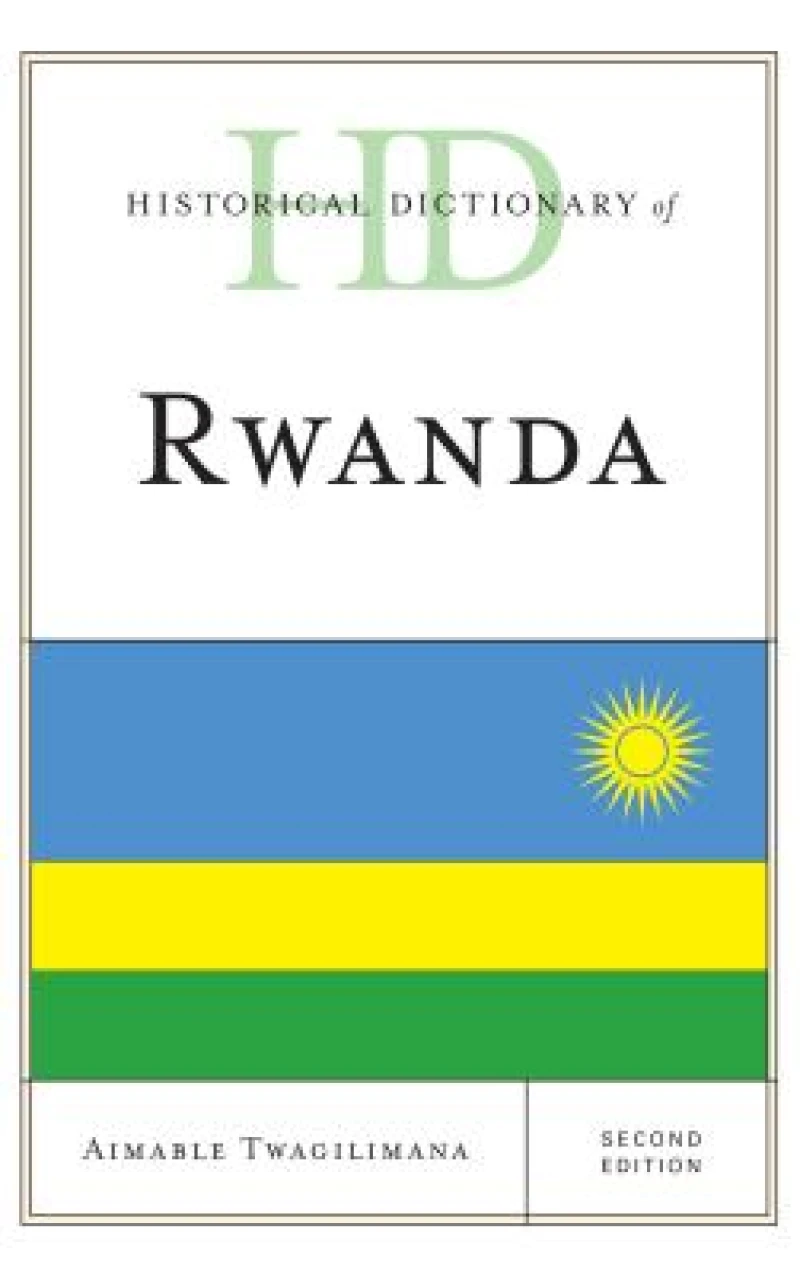
Blessed with natural beauty and rich vegetation, Rwanda is often called the “land of a thousand hills” (le pays des mille collines), a reference to its many lush and green rolling hills. Moreover, for many Rwandans, at least in the past, Rwanda, in spite of its small size, is vast; in fact, it means the universe. This idyllic view, however, sharply contrasts with the sad history of ethnic strife that unfolded since the 1950s: the 1959 Hutu Revolution followed by years of anti-Tutsi pogroms, undemocratic regimes, the civil war of 1990-1994, and, more significantly, the April-July 1994 genocide against the Tutsi and the killing of Hutu who opposed the killings. The 1994 genocide against the Tutsi remains the most defining single event in contemporary Rwanda, and many people in the world today know of this central African nation from the prism of extreme mass violence that sullied the end of the 20th century amid international indifference and has since haunted the world’s conscience. This second edition of Historical Dictionary of Rwanda contains a chronology, an introduction, appendixes, and an extensive bibliography. The dictionary section has over 300 cross-referenced entries on important personalities, politics, economy, foreign relations, religion, and culture. This book is an excellent access point for students, researchers, and anyone wanting to know more about Rwanda.
Blessed with natural beauty and rich vegetation, Rwanda is often called the “land of a thousand hills” (le pays des mille collines), a reference to its many lush and green rolling hills. Moreover, for many Rwandans, at least in the past, Rwanda, in spite of its small size, is vast; in fact, it means the universe. This idyllic view, however, sharply contrasts with the sad history of ethnic strife that unfolded since the 1950s: the 1959 Hutu Revolution followed by years of anti-Tutsi pogroms, undemocratic regimes, the civil war of 1990-1994, and, more significantly, the April-July 1994 genocide against the Tutsi and the killing of Hutu who opposed the killings. The 1994 genocide against the Tutsi remains the most defining single event in contemporary Rwanda, and many people in the world today know of this central African nation from the prism of extreme mass violence that sullied the end of the 20th century amid international indifference and has since haunted the world’s conscience. This second edition of Historical Dictionary of Rwanda contains a chronology, an introduction, appendixes, and an extensive bibliography. The dictionary section has over 300 cross-referenced entries on important personalities, politics, economy, foreign relations, religion, and culture. This book is an excellent access point for students, researchers, and anyone wanting to know more about Rwanda.
Get Historical Dictionary of Rwanda by at the best price and quality guaranteed only at Werezi Africa's largest book ecommerce store. The book was published by Bloomsbury Publishing Plc and it has pages.

