
Book Details
Format
Hardback or Cased Book
ISBN-10
0810879735
ISBN-13
9780810879737
Edition
Second Edition
Publisher
Bloomsbury Publishing Plc
Imprint
Rowman & Littlefield Publishers
Country of Manufacture
GB
Country of Publication
GB
Publication Date
Nov 19th, 2015
Print length
582 Pages
Weight
1,014 grams
Dimensions
16.30 x 23.60 x 4.70 cms
Product Classification:
Reference worksSufism & Islamic mysticism
Ksh 29,400.00
Manufactured on Demand
0 in stock
Delivery Location
Delivery fee: Select location
Secure
Quality
Fast
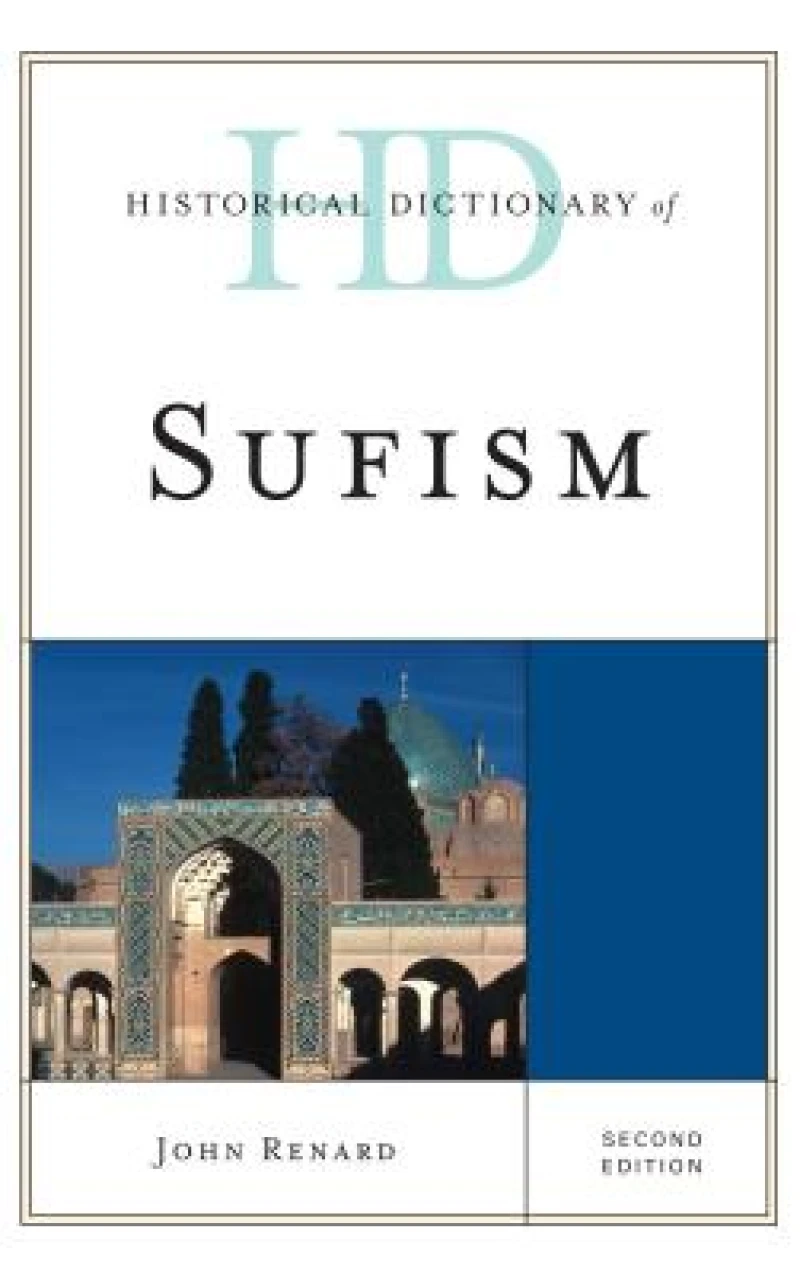
The most broadly accepted explanation of Sufism i the etymological derivation of the term from the Arabic for “wool,” ṣūf, associating practitioners with a preference for poor, rough clothing. This explanation clearly identifies Sufism with ascetical practice and the importance of manifesting spiritual poverty through material poverty. In fact, some of the earliest “Western” descriptions of individuals now widely associated with the larger phenomenon of Sufism identified them with the Arabic term faqīr, mendicant, or its most common Persian equivalent, darwīsh. Sufism, as presented here embraces a host of features including the ritual, institutional, psychological, hermeneutical, artistic, literary, ethical, and epistemological. This second edition of Historical Dictionary of Sufism contains a chronology, an introduction, a glossary, and an extensive bibliography. The dictionary section has over 1,000 cross-referenced entries on important personalities, major historical figures and movements, practices, economy, foreign relations, religion, and culture. This book is an excellent access point for students, researchers, and anyone wanting to know more about Sufism.
The most broadly accepted explanation of Sufism i the etymological derivation of the term from the Arabic for “wool,” ?uf, associating practitioners with a preference for poor, rough clothing. This explanation clearly identifies Sufism with ascetical practice and the importance of manifesting spiritual poverty through material poverty. In fact, some of the earliest “Western” descriptions of individuals now widely associated with the larger phenomenon of Sufism identified them with the Arabic term faqir, mendicant, or its most common Persian equivalent, darwish. Sufism, as presented here embraces a host of features including the ritual, institutional, psychological, hermeneutical, artistic, literary, ethical, and epistemological. This second edition of Historical Dictionary of Sufism contains a chronology, an introduction, a glossary, and an extensive bibliography. The dictionary section has over 1,000 cross-referenced entries on important personalities, major historical figures and movements, practices, economy, foreign relations, religion, and culture. This book is an excellent access point for students, researchers, and anyone wanting to know more about Sufism.
Get Historical Dictionary of Sufism by at the best price and quality guaranteed only at Werezi Africa's largest book ecommerce store. The book was published by Bloomsbury Publishing Plc and it has pages.

