
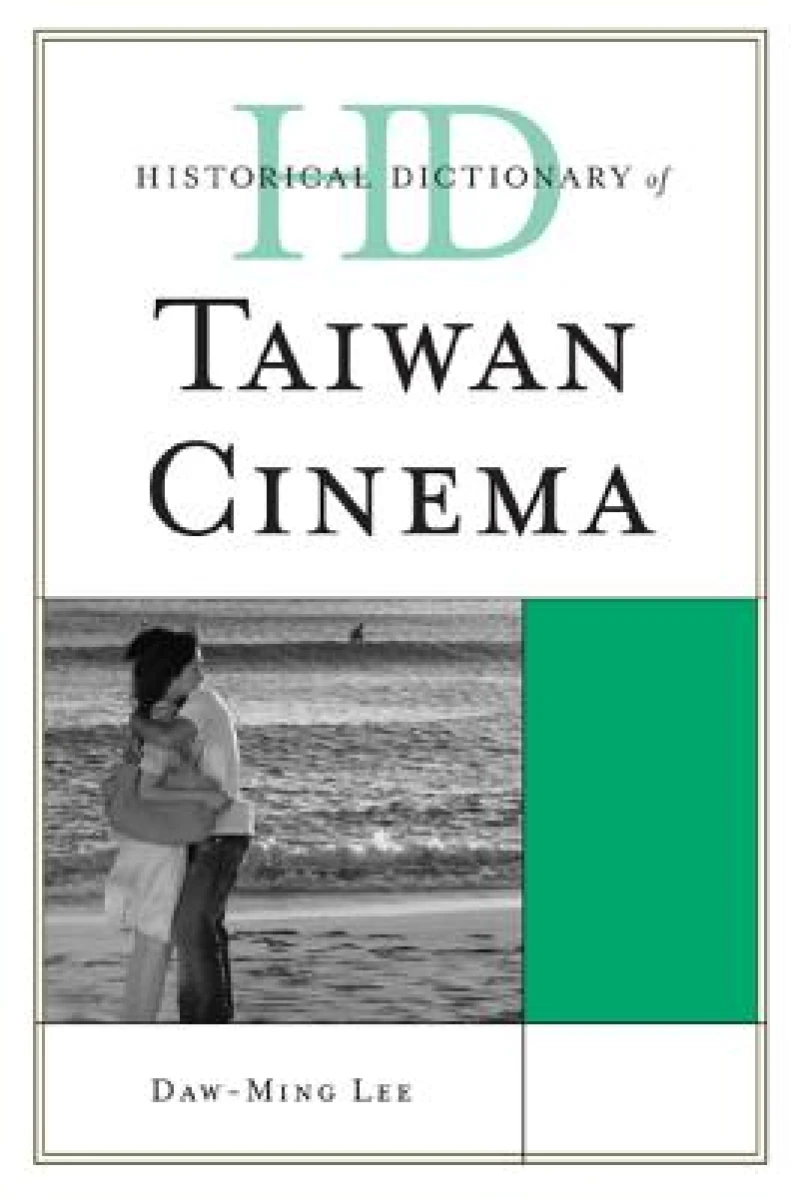
Historical Dictionary of Taiwan Cinema
by
Daw-Ming Lee
Book Details
Format
Hardback or Cased Book
ISBN-10
0810867923
ISBN-13
9780810867925
Publisher
Scarecrow Press
Imprint
Scarecrow Press
Country of Manufacture
GB
Country of Publication
GB
Publication Date
Nov 8th, 2012
Print length
508 Pages
Weight
928 grams
Dimensions
23.70 x 16.70 x 4.00 cms
Product Classification:
Films, cinemaReference works
Ksh 34,850.00
Manufactured on Demand
0 in stock
Delivery Location
Delivery fee: Select location
Secure
Quality
Fast
Taiwan was able to solidly build and sustain a film industry only after locally-produced Mandarin films secured markets in Hong Kong and Southeast Asia during the 1960s and 1970s. Though only a small island with a limited population, in its heyday, Taiwan was among the top-10 film producing countries/areas in the world, turning out hundreds of martial arts kung fu films and romantic melodramas annually that were screened in theaters across Southeast Asia and other areas internationally. However, except for one acclaimed film by director King Hu, Taiwan cinema was nearly invisible on the art cinema map until the 1980s, when the films of Hou Hsiao-hsien, Edward Yang, and other Taiwan New Cinema directors gained recognition at international film festivals, first in Europe, and later, throughout the world. Since then, many other Taiwan directors have also become an important part of cinema history, such as Ang Lee and Tsai Ming-liang.The Historical Dictionary of Taiwan Cinema covers the history of cinema in Taiwan during both the Japanese colonial period (1895-1945) and the Chinese Nationalist period (1945-present). This is accomplished through a chronology highlighting the main events during the long period and an introduction which carefully analyses the progression. The bulk of the information, however, appears in a dictionary section including over a hundred very extensive entries on directors, producers, performers, films, film studios and genres. Photos are also included in the dictionary section. More information can be found through the bibliography. Taiwan cinema is truly unique and this book is a good place to find out more about it, whether you are a student, or teacher, or just a fan.
Taiwan was able to solidly build and sustain a film industry only after locally-produced Mandarin films secured markets in Hong Kong and Southeast Asia during the 1960s and 1970s. Though only a small island with a limited population, in its heyday, Taiwan was among the top-10 film producing countries/areas in the world, turning out hundreds of martial arts kung fu films and romantic melodramas annually that were screened in theaters across Southeast Asia and other areas internationally. However, except for one acclaimed film by director King Hu, Taiwan cinema was nearly invisible on the art cinema map until the 1980s, when the films of Hou Hsiao-hsien, Edward Yang, and other Taiwan New Cinema directors gained recognition at international film festivals, first in Europe, and later, throughout the world. Since then, many other Taiwan directors have also become an important part of cinema history, such as Ang Lee and Tsai Ming-liang. The Historical Dictionary of Taiwan Cinema covers the history of cinema in Taiwan during both the Japanese colonial period (1895-1945) and the Chinese Nationalist period (1945-present). This is accomplished through a chronology highlighting the main events during the long period and an introduction which carefully analyses the progression. The bulk of the information, however, appears in a dictionary section including over a hundred very extensive entries on directors, producers, performers, films, film studios and genres. Photos are also included in the dictionary section. More information can be found through the bibliography. Taiwan cinema is truly unique and this book is a good place to find out more about it, whether you are a student, or teacher, or just a fan.
Get Historical Dictionary of Taiwan Cinema by at the best price and quality guaranteed only at Werezi Africa's largest book ecommerce store. The book was published by Scarecrow Press and it has pages.

