
Cart 0
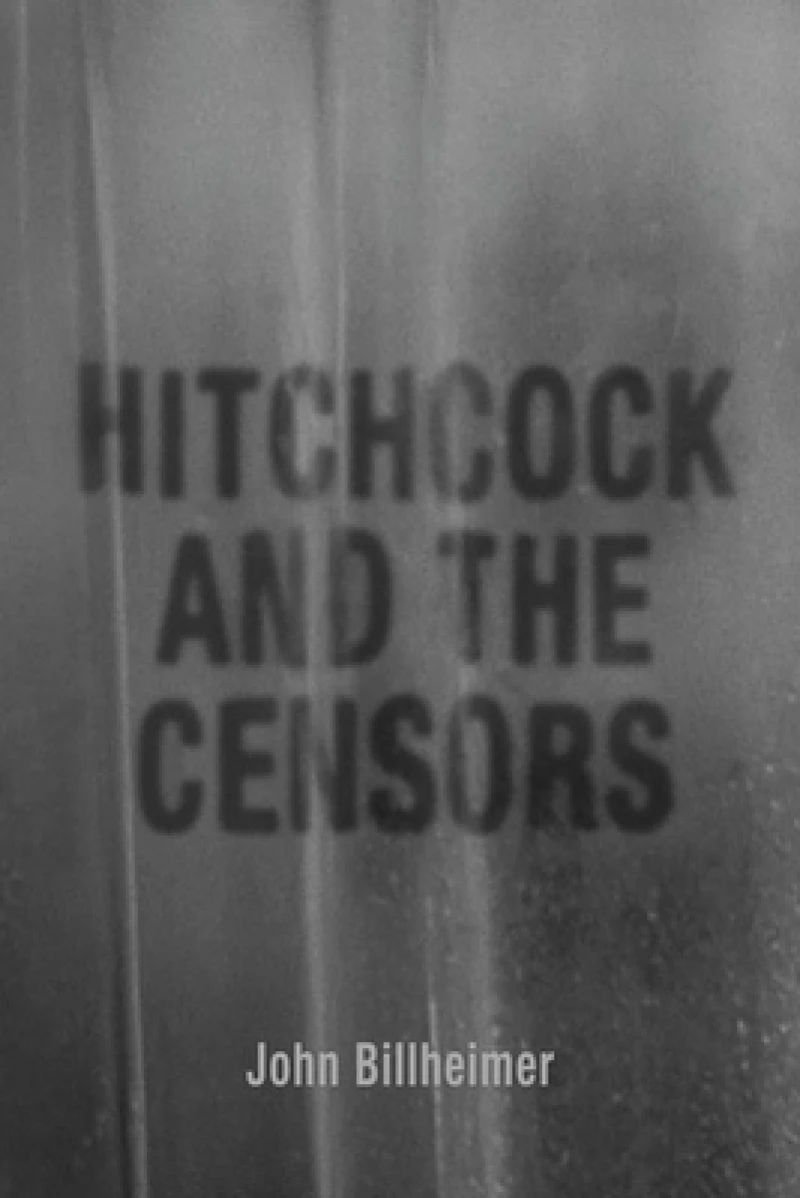
Hitchcock and the Censors
Click to zoom

Share this book

Hitchcock and the Censors

Book Details

Format Hardback or Cased Book
Book Series Screen Classics
ISBN-10 0813177421
ISBN-13 9780813177427
Publisher The University Press of Kentucky
Imprint The University Press of Kentucky
Country of Manufacture GB
Country of Publication GB
Publication Date Jun 14th, 2019
Print length 384 Pages
Weight 690 grams
Dimensions 16.10 x 23.90 x 3.00 cms
Product Classification: Individual film directors, film-makers
Ksh 8,100.00
Manufactured on Demand Delivery in 29 days

Delivery Location

Delivery fee: Select location

Delivery in 29 days

Secure
Quality
Fast
Throughout his career, Alfred Hitchcock had to deal with a wide variety of censors attuned to the slightest suggestion of sexual innuendo, undue violence, toilet humor, religious disrespect, and all forms of indecency, real or imagined. From 1934 to 1968, the Motion Picture Production Code Office controlled the content and final cut on all films made and distributed in the United States. Code officials protected sensitive ears from standard four-letter words, as well as a few five-letter words like tramp and six-letter words like cripes. They also scrubbed "excessively lustful" kissing from the screen and ensured that no criminal went unpunished. During their review of Hitchcock's films, the censors demanded an average of 22.5 changes, ranging from the mundane to the mind-boggling, on each of his American films. Code reviewers dictated the ending of Rebecca (1940), absolved Cary Grant of guilt in Suspicion (1941), edited Cole Porter's lyrics in Stage Fright (1950), decided which shades should be drawn in Rear Window (1954), and shortened the shower scene in Psycho (1960). In Hitchcock and the Censors, author John Billheimer traces the forces that led to the Production Code and describes Hitchcock's interactions with code officials on a film-by-film basis as he fought to protect his creations, bargaining with code reviewers and sidestepping censorship to produce a lifetime of memorable films. Despite the often-arbitrary decisions of the code board, Hitchcock still managed to push the boundaries of sex and violence permitted in films by charming - and occasionally tricking - the censors and by swapping off bits of dialogue, plot points, and individual shots (some of which had been deliberately inserted as trading chips) to protect cherished scenes and images. By examining Hitchcock's priorities in dealing with the censors, this work highlights the director's theories of suspense as well as his magician-like touch when negotiating with code officials.

Throughout his career, Alfred Hitchcock had to deal with a wide variety of censors attuned to the slightest suggestion of sexual innuendo, undue violence, toilet humor, religious disrespect, and all forms of indecency, real or imagined. From 1934 to 1968, the Motion Picture Production Code Office controlled the content and final cut on all films made and distributed in the United States. Code officials protected sensitive ears from standard four-letter words, as well as a few five-letter words like tramp and six-letter words like cripes. They also scrubbed "excessively lustful" kissing from the screen and ensured that no criminal went unpunished.

During their review of Hitchcock''s films, the censors demanded an average of 22.5 changes, ranging from the mundane to the mind-boggling, on each of his American films. Code reviewers dictated the ending of Rebecca (1940), absolved Cary Grant of guilt in Suspicion (1941), edited Cole Porter''s lyrics in Stage Fright (1950), decided which shades should be drawn in Rear Window (1954), and shortened the shower scene in Psycho (1960).

In Hitchcock and the Censors, author John Billheimer traces the forces that led to the Production Code and describes Hitchcock''s interactions with code officials on a film-by-film basis as he fought to protect his creations, bargaining with code reviewers and sidestepping censorship to produce a lifetime of memorable films. Despite the often-arbitrary decisions of the code board, Hitchcock still managed to push the boundaries of sex and violence permitted in films by charming -- and occasionally tricking -- the censors and by swapping off bits of dialogue, plot points, and individual shots (some of which had been deliberately inserted as trading chips) to protect cherished scenes and images. By examining Hitchcock''s priorities in dealing with the censors, this work highlights the director''s theories of suspense as well as his magician-like touch when negotiating with code officials.


Get Hitchcock and the Censors by at the best price and quality guaranteed only at Werezi Africa's largest book ecommerce store. The book was published by The University Press of Kentucky and it has pages.


Mind, Body, & Spirit

Price

Ksh 8,100.00

Shopping Cart

Africa largest book store

Sub Total:
Ebooks

Digital Library
Coming Soon

Our digital collection is currently being curated to ensure the best possible reading experience on Werezi. We'll be launching our Ebooks platform shortly.