
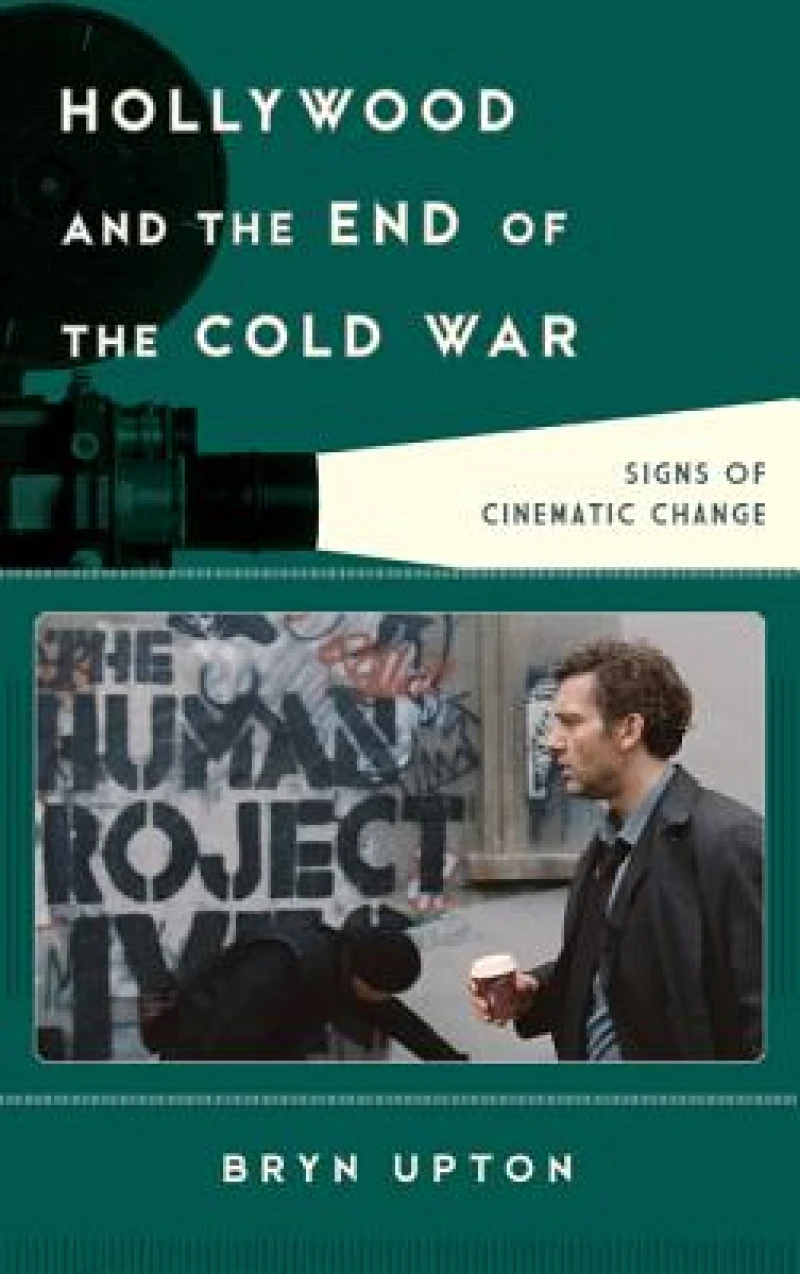
Hollywood and the End of the Cold War : Signs of Cinematic Change
by
Bryn Upton
Book Details
Format
Hardback or Cased Book
Book Series
Film and History
ISBN-10
1442237937
ISBN-13
9781442237933
Publisher
Bloomsbury Publishing Plc
Imprint
Rowman & Littlefield Publishers
Country of Manufacture
GB
Country of Publication
GB
Publication Date
Aug 26th, 2014
Print length
208 Pages
Weight
472 grams
Dimensions
15.20 x 23.70 x 2.00 cms
Product Classification:
Film theory & criticismHistory of the AmericasThe Cold War
Ksh 16,500.00
Manufactured on Demand
0 in stock
Delivery Location
Delivery fee: Select location
Secure
Quality
Fast
This volume compares films from the late Cold War era with films of the same genre, or of similar themes, from the post-Cold War era, paying particular attention to shifts in narrative that reflect changes in American culture, attitudes, and ideas. It explains how the absence of the Cold War has changed the way we understand and interpret film.
From the late 1940s until the early 1990s, the Cold War was perhaps the most critical and defining aspect of American culture, influencing television, music, and movies, among other forms of popular entertainment. Films in particular were at the center of the battle for the hearts and minds of the American public. Throughout this period, the Cold War influenced what movies got produced, how such movies were made, and how audiences understood the films they watched. In the post–Cold War era, some genres of film suffered from the shift in our national narratives, while others were quickly reimagined for an audience with different political and social fears.In Hollywood and the End of the Cold War: Signs of Cinematic Change, Bryn Upton compares films from the late Cold War era with movies of similar themes from the post–Cold War era. In this volume, Upton pays particular attention to shifts in narrative that reflect changes in American culture, attitudes, and ideas. In exploring how the absence of the Cold War has changed the way we understand and interpret film, this volume seeks to answer several key questions such as: Has the end of the Cold War altered how we tell our stories? Has it changed how we perceive ourselves? In what ways has our popular culture been affected by the absence of this once dominant presence?With its focus on themes that are central to the concerns of many historians—including civil religion, social fracture, and the culture wars—Hollywood and the End of the Cold War will serve as a useful tool for those seeking to integrate film into the classroom, as well as for film scholars exploring representations of sociopolitical change on screen.
Get Hollywood and the End of the Cold War by at the best price and quality guaranteed only at Werezi Africa's largest book ecommerce store. The book was published by Bloomsbury Publishing Plc and it has pages.

