
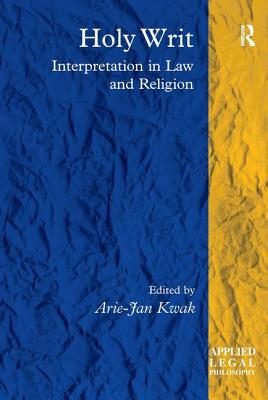
Holy Writ : Interpretation in Law and Religion
Book Details
Format
Hardback
Book Series
Applied Legal Philosophy
ISBN-10
0754678962
ISBN-13
9780754678960
Publisher
Taylor & Francis Ltd
Imprint
Routledge
Country of Manufacture
GB
Country of Publication
GB
Publication Date
Nov 10th, 2009
Print length
224 Pages
Weight
570 grams
KSh 7,800.00
Currently unavailable
0 in stock
Delivery Location
Delivery fee: Select location
Secure
Quality
Fast
It has often been remarked that law and religion have much in common. This volume presents a discussion of interpretation in law and religion with the multidisciplinary group of authors discussing the textualist approach presented here by American Supreme Court Justice Antonin Scalia, with reference to both law and theology.
It has often been remarked that law and religion have much in common. One of the most conspicuous elements is that both law and religion frequently refer to a text that has authority over the members of a community. In the case of religion this text is deemed to be ''holy'', in the case of law, some, such as the American constitution, are widely held as ''sacred''. In both examples, priests and judges exert a duty to tell the community what the founding document has to say about contemporary problems. This therefore involves an element of interpretation of the relevant authoritative texts and this book focuses on such methods of interpretation in the fields of law and religion. As its starting point, scholars from different disciplines discuss the textualist approach presented here by American Supreme Court Judge and academic scholar, Justice Antonin Scalia, not only from the perspective of law but also from that of theology. The result is a lively discussion which presents a range of diverse perspectives and arguments with regard to interpretation in law and religion.
Get Holy Writ by Arie-Jan Kwak at the best price and quality guaranteed only at Werezi Africa's largest book ecommerce store. The book was published by Taylor & Francis Ltd and it has 224 pages.
Customers Who Bought This Also Bought

End of History and the Last Man
KSh 2,700.00

12 Rules for Life
KSh 2,350.00
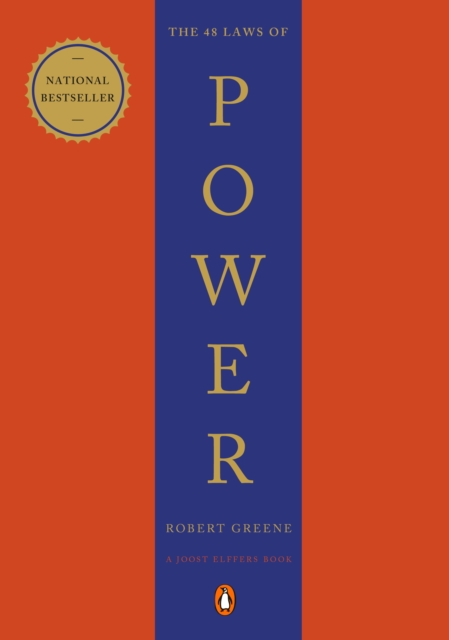
The 48 Laws of Power
KSh 4,700.00

Second Treatise of Government – Norton Library
KSh 1,600.00
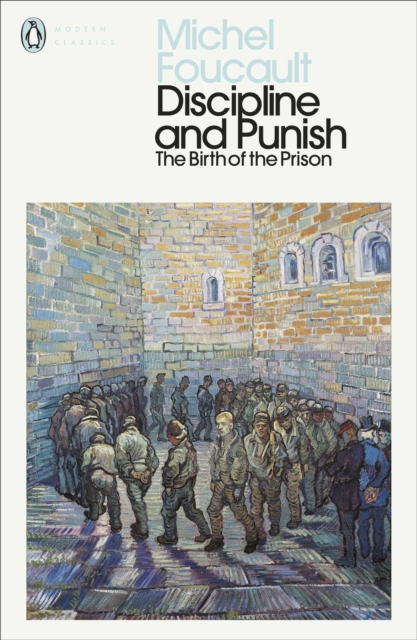
Discipline and Punish
KSh 2,350.00
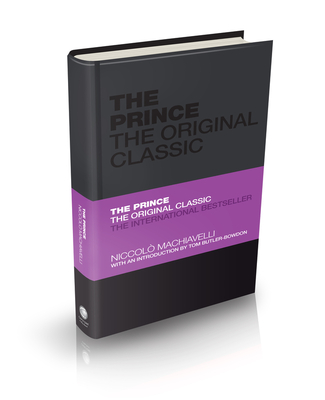
The Prince The Original Classic
KSh 2,150.00
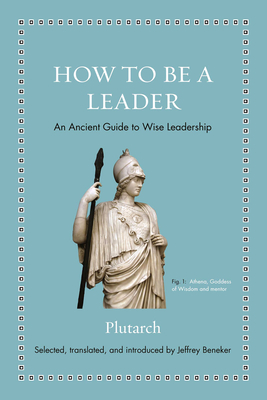
How to Be a Leader – An Ancient Guide to Wise Leadership
KSh 2,800.00

The Origin of Others
KSh 3,600.00
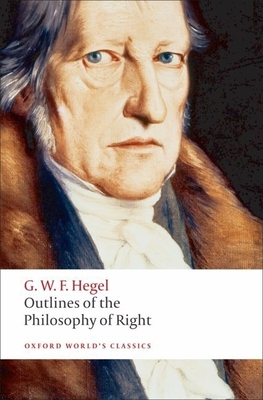
Outlines of the Philosophy of Right
KSh 2,500.00
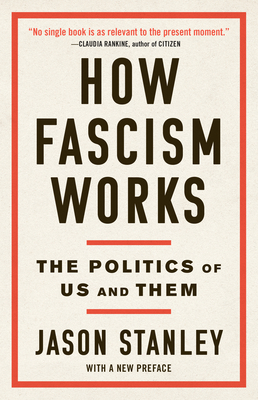
How Fascism Works
KSh 2,900.00
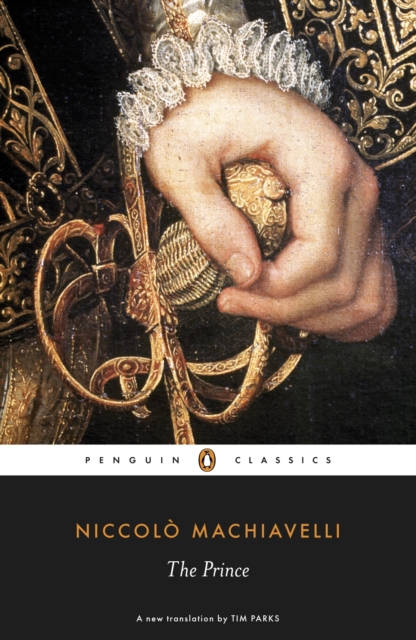
The Prince
KSh 1,800.00

Who''s Afraid of Gender?
KSh 2,350.00
