
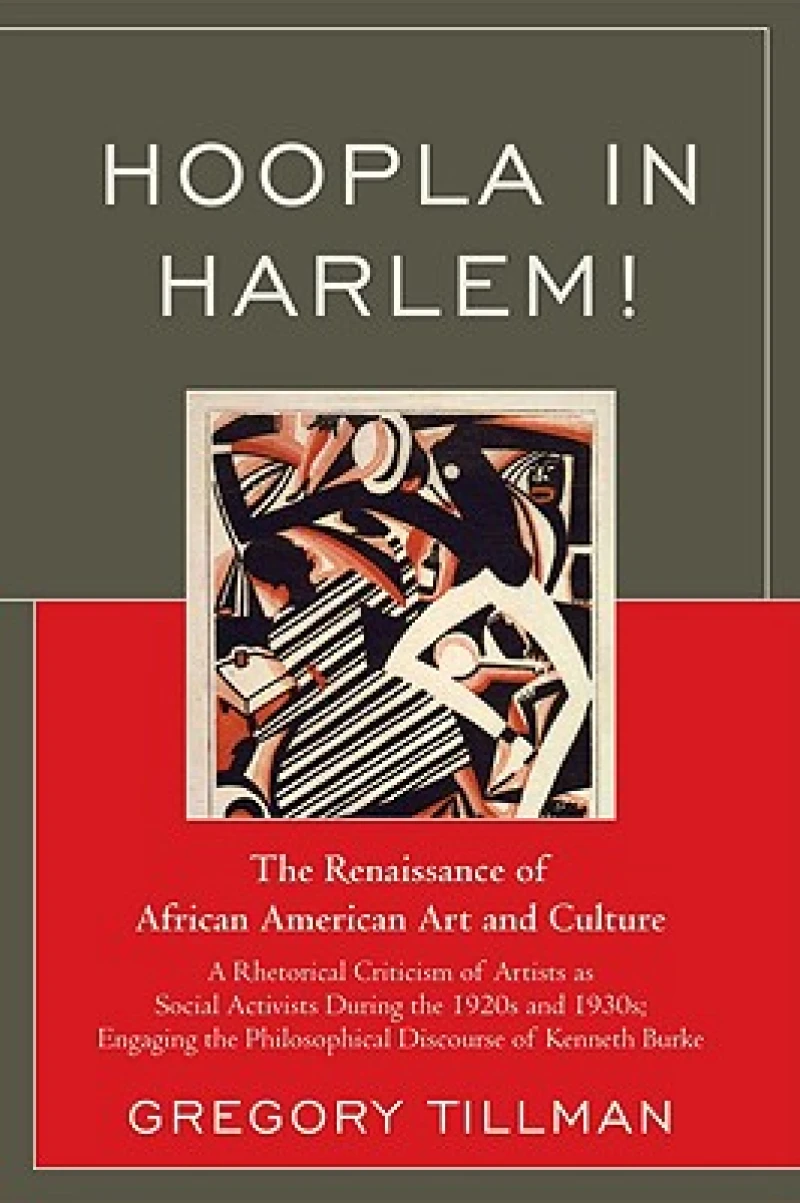
Hoopla in Harlem! : The Renaissance of African American Art and Culture
Book Details
Format
Paperback / Softback
ISBN-10
0761845704
ISBN-13
9780761845706
Publisher
University Press of America
Imprint
University Press of America
Country of Manufacture
GB
Country of Publication
GB
Publication Date
May 16th, 2009
Print length
84 Pages
Weight
141 grams
Dimensions
23.20 x 15.40 x 0.70 cms
Ksh 6,900.00
Manufactured on Demand
0 in stock
Delivery Location
Delivery fee: Select location
Secure
Quality
Fast
African American artists during the Harlem Renaissance were social activists, making a significant contribution to black culture and aesthetics. This book engages the philosophical discourse of Kenneth Burke and examines these artists as activists, and their works as symbols of social protest.
African American artists during the Harlem Renaissance were social activists, making a significant contribution to black culture and aesthetics. This book engages the philosophical discourse of Kenneth Burke and examines these artists as activists, and their works as symbols of social protest.
Get Hoopla in Harlem! by at the best price and quality guaranteed only at Werezi Africa's largest book ecommerce store. The book was published by University Press of America and it has pages.

