
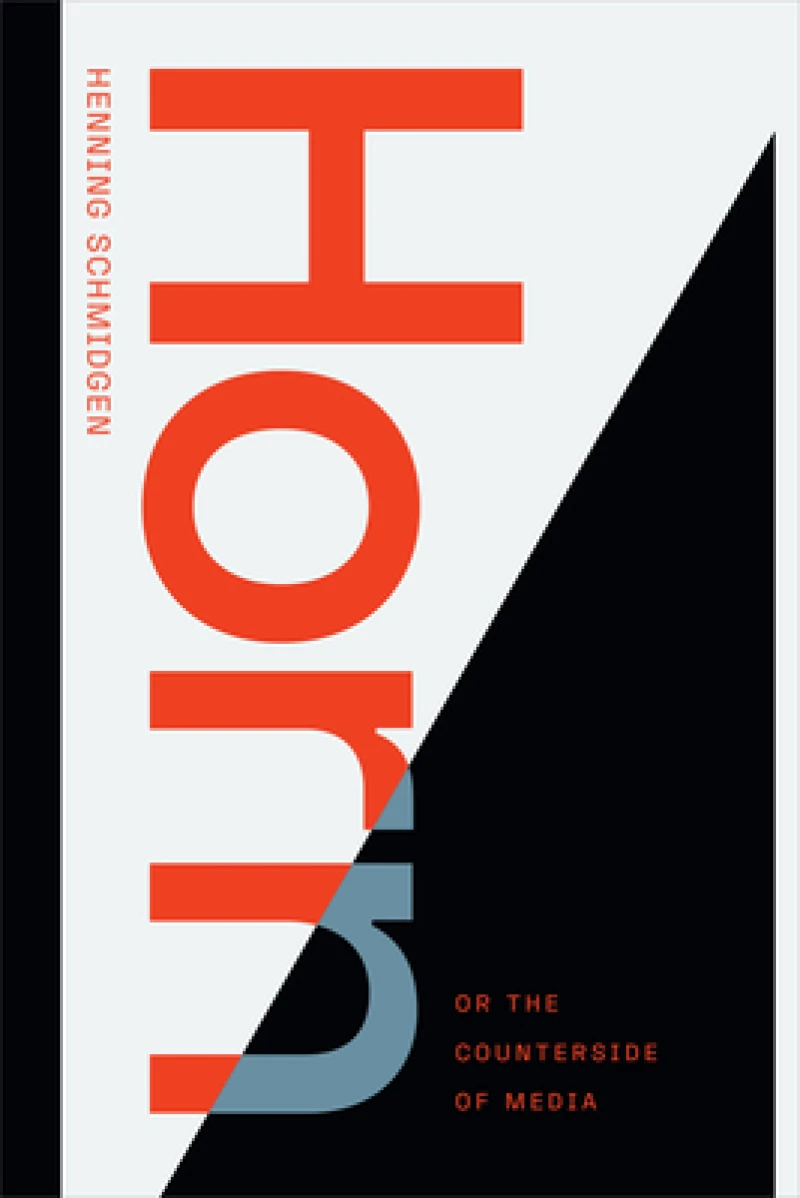
Horn, or the Counterside of Media
Book Details
Format
Hardback or Cased Book
Book Series
Sign, Storage, Transmission
ISBN-10
1478015101
ISBN-13
9781478015109
Publisher
Duke University Press
Imprint
Duke University Press
Country of Manufacture
GB
Country of Publication
GB
Publication Date
Jan 21st, 2022
Print length
277 Pages
Weight
658 grams
Product Classification:
The arts: general issuesHistory of art / art & design stylesMedia studies
Ksh 15,500.00
Werezi Extended Catalogue
0 in stock
Delivery Location
Delivery fee: Select location
Secure
Quality
Fast
Henning Schmidgen reflects on the dynamic phenomena of touch in media, analyzing works by artists, scientists, and philosophers ranging from Salvador Dalí to Walter Benjamin, who each explore the interplay between tactility and technological and biological surfaces.
We regularly touch and handle media devices. At the same time, media devices such as body scanners, car seat pressure sensors, and smart phones scan and touch us. In Horn, Henning Schmidgen reflects on the bidirectional nature of touch and the ways in which surfaces constitute sites of mediation between interior and exterior. Schmidgen uses the concept of "horn"—whether manifested as a rhinoceros horn or a musical instrument—to stand for both natural substances and artificial objects as spaces of tactility. He enters into creative dialogue with artists, scientists, and philosophers, ranging from Salvador Dalí, William Kentridge, and Rebecca Horn to Sigmund Freud, Walter Benjamin, and Marshall McLuhan, who plumb the complex interplay between tactility and technological and biological surfaces. Whether analyzing how Dalí conceived of images as tactile entities during his “rhinoceros phase” or examining the problem of tactility in Thomas Pynchon’s The Crying of Lot 49, Schmidgen reconfigures understandings of the dynamic phenomena of touch in media.
Get Horn, or the Counterside of Media by at the best price and quality guaranteed only at Werezi Africa's largest book ecommerce store. The book was published by Duke University Press and it has pages.

