
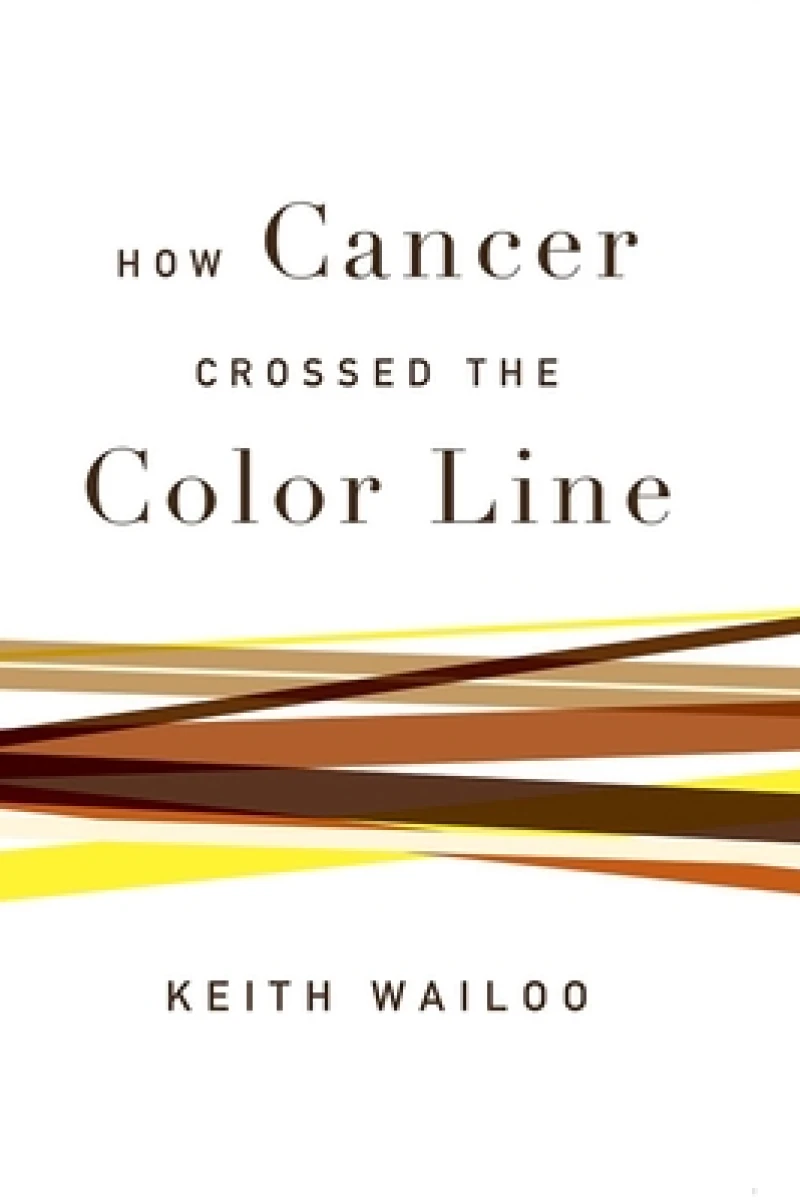
How Cancer Crossed the Color Line
by
Keith Wailoo
Book Details
Format
Paperback / Softback
ISBN-10
0190655216
ISBN-13
9780190655211
Publisher
Oxford University Press Inc
Imprint
Oxford University Press Inc
Country of Manufacture
GB
Country of Publication
GB
Publication Date
Mar 9th, 2017
Print length
264 Pages
Weight
388 grams
Dimensions
15.80 x 23.40 x 1.70 cms
Product Classification:
Ethnic studies
Ksh 6,200.00
Manufactured on Demand
0 in stock
Delivery Location
Delivery fee: Select location
Secure
Quality
Fast
Examining one hundred years in the public campaign against cancer, this path-breaking study of scientific, medical, and epidemiological writings and of cinematic and literary representations of disease, reveals how experts and the lay public saw cancer''s demographic shifts - from a stereotypical white female disease to equal opportunity killer -- as a message about women, men, race and the changing color line.
In the course of the 20th century, cancer went from being perceived as a white woman''s nemesis to a "democratic disease" to a fearsome threat in communities of color. Drawing on film and fiction, on medical and epidemiological evidence, and on patients'' accounts, Keith Wailoo tracks this transformation in cancer awareness, revealing how not only awareness, but cancer prevention, treatment, and survival have all been refracted through the lens of race.Spanning more than a century, the book offers a sweeping account of the forces that simultaneously defined cancer as an intensely individualized and personal experience linked to whites, often categorizing people across the color line as racial types lacking similar personal dimensions. Wailoo describes how theories of risk evolved with changes in women''s roles, with African-American and new immigrant migration trends, with the growth of federal cancer surveillance, and with diagnostic advances, racial protest, and contemporary health activism. The book examines such powerful and transformative social developments as the mass black migration from rural south to urban north in the 1920s and 1930s, the World War II experience at home and on the war front, and the quest for civil rights and equality in health in the 1950s and ''60s. It also explores recent controversies that illuminate the diversity of cancer challenges in America, such as the high cancer rates among privileged women in Marin County, California, the heavy toll of prostate cancer among black men, and the questions about why Vietnamese-American women''s cervical cancer rates are so high.A pioneering study, How Cancer Crossed the Color Line gracefully documents how race and gender became central motifs in the birth of cancer awareness, how patterns and perceptions changed over time, and how the "war on cancer" continues to be waged along the color line.
Get How Cancer Crossed the Color Line by at the best price and quality guaranteed only at Werezi Africa's largest book ecommerce store. The book was published by Oxford University Press Inc and it has pages.

