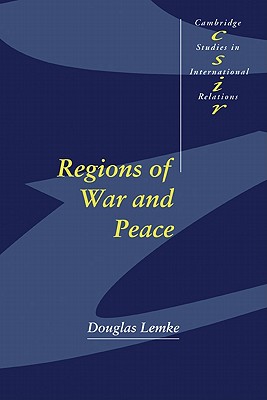
How States Die : Membership and Survival in the International System
Book Details
Format
Paperback / softback
ISBN-10
0197805027
ISBN-13
9780197805022
Publisher
Oxford University Press Inc
Imprint
Oxford University Press Inc
Country of Manufacture
GB
Country of Publication
GB
Publication Date
May 13th, 2025
Print length
272 Pages
Weight
442 grams
Dimensions
15.50 x 23.30 x 2.20 cms
KSh 4,200.00
Currently unavailable
0 in stock
Delivery Location
Delivery fee: Select location
Secure
Quality
Fast
When states die, there are massive consequences for neighboring states and sometimes for the entire international system. Somalia''s death in 1991 created a safe haven for criminal non-state actors and has unsettled the Horn of Africa for decades. When the Iraqi state was dismantled in 2003, a similar set of consequences plagued the Middle East and the international system more broadly.In How States Die, Douglas Lemke provides a rigorous analysis of this phenomenon by reconceptualizing the definitions of the state and state death. A state exists, according to Lemke, whenever a set of state-like political entities exercise control over a populated territory. This includes both sovereign states and "territorial contenders," which lack formal diplomatic recognition. Conceiving statehood in this way vastly increases the population of states that have experienced state death, which casts new light on the entire phenomenon. This increased range not only expands the list of ways states can die; it also provides insights into whether diplomatic recognition is associated with longer life and shows that state strength is not related to state death. Similarly, in contrast to the conventional wisdom, victories in conflict do not coincide with longer state survival. State death is one of the central questions within international relations, and Lemke''s reformulation of what a state is will transform our understanding of how and why these deaths happen.
Get How States Die by Douglas Lemke at the best price and quality guaranteed only at Werezi Africa's largest book ecommerce store. The book was published by Oxford University Press Inc and it has 272 pages.
Customers Who Bought This Also Bought
Message
KSh 3,400.00
Corruptible
KSh 2,350.00

On War
KSh 1,200.00

Abundance
KSh 2,150.00
The Republic
KSh 2,350.00
What Happened to Liberal Democracy?
KSh 3,050.00
Pedagogy of the Oppressed
KSh 2,000.00

Great Ideas Social Contract
KSh 1,450.00

Fire Next Time; Nobody Knows My Name ; No Name In The Street; The Devil Finds Work
KSh 3,400.00
The Body Politic
KSh 700.00
The Prince The Original Classic
KSh 2,150.00
The Fourth Turning Is Here
KSh 2,600.00