
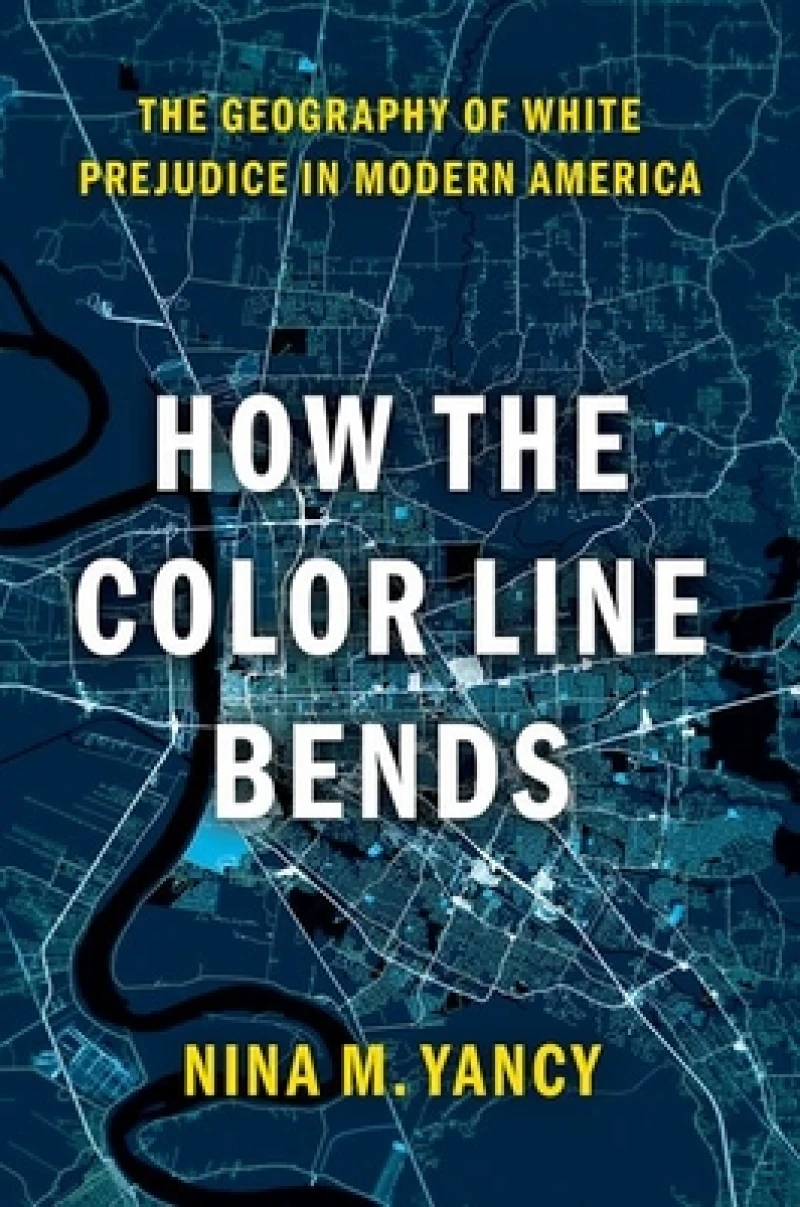
How the Color Line Bends : The Geography of White Prejudice in Modern America
Book Details
Format
Hardback or Cased Book
ISBN-10
0197599427
ISBN-13
9780197599426
Publisher
Oxford University Press Inc
Imprint
Oxford University Press Inc
Country of Manufacture
GB
Country of Publication
GB
Publication Date
May 27th, 2022
Print length
332 Pages
Weight
599 grams
Dimensions
24.10 x 15.90 x 2.30 cms
Ksh 19,950.00
Manufactured on Demand
0 in stock
Delivery Location
Delivery fee: Select location
Secure
Quality
Fast
In 2019, a group of Louisianans voted to create a new city in part of the Baton Rouge area. The effort drew attention not only because the decision would create a disproportionately White and wealthy city, but also because it would leave the area''s considerably poorer, majority-Black school district behind. As this story suggests, local geography, politics, and prejudice are linked in American racial politics. This book explores the relationship between where White Americans live and their attitudes about race. In How the Color Line Bends, Nina M. Yancy shows that what White people think depends on where they live--but not, as conventional wisdom might suggest, because they are more likely to feel "threatened" where race is salient. Rejecting this tendency to tacitly position White Americans as victims, this book focuses on power, agency, and positionality in the study of prejudice and place. Yancy looks at the White perspective through a number of racialized issues, including education, affirmative action, and welfare spending in cities across the United States, as well as a vivid case study of Baton Rouge. Being explicit about Whites Americans'' racialized vantage point allows us to better appreciate the capacity of prejudice to ebb and flow in response to local conditions across a diverse nation. Yancy also illustrates why the "color line" remains relevant--if we appreciate the ability of that line to harden or soften, but not necessarily break.
Get How the Color Line Bends by at the best price and quality guaranteed only at Werezi Africa's largest book ecommerce store. The book was published by Oxford University Press Inc and it has pages.

