

How the Earth Feels : Geological Fantasy in the Nineteenth-Century United States
by
Dana Luciano
Book Details
Format
Hardback
Book Series
ANIMA: Critical Race Studies Otherwise
ISBN-10
1478020962
ISBN-13
9781478020967
Publisher
Duke University Press
Imprint
Duke University Press
Country of Manufacture
GB
Country of Publication
GB
Publication Date
Jan 5th, 2024
Print length
277 Pages
Weight
492 grams
Dimensions
15.90 x 23.90 x 2.20 cms
Product Classification:
Literature: history & criticismGeneral & world historyConservation of the environment
KSh 14,750.00
Currently unavailable
0 in stock
Delivery Location
Delivery fee: Select location
Secure
Quality
Fast
In How the Earth Feels Dana Luciano examines the impacts of the new science of geology on nineteenth-century US culture. Drawing on early geological writings, Indigenous and settler accounts of earthquakes, African American antislavery literature, and other works, Luciano reveals how geology catalyzed transformative conversations regarding the intersections between humans and the nonhuman world. She shows that understanding the earth’s history geologically involved confronting the dynamic nature of inorganic matter over vast spans of time, challenging preconceived notions of human agency. Nineteenth-century Americans came to terms with these changes through a fusion of fact and imagination that Luciano calls geological fantasy. Geological fantasy transformed the science into a sensory experience, sponsoring affective and even erotic connections to the matter of the earth. At the same time, it was often used to justify accounts of evolution that posited a modern, civilized, and Anglo-American whiteness as the pinnacle of human development. By tracing geology’s relationship with biopower, Luciano illuminates how imagined connections with the earth shaped American dynamics of power, race, and colonization.
Get How the Earth Feels by Dana Luciano at the best price and quality guaranteed only at Werezi Africa's largest book ecommerce store. The book was published by Duke University Press and it has 277 pages.
Customers Who Bought This Also Bought
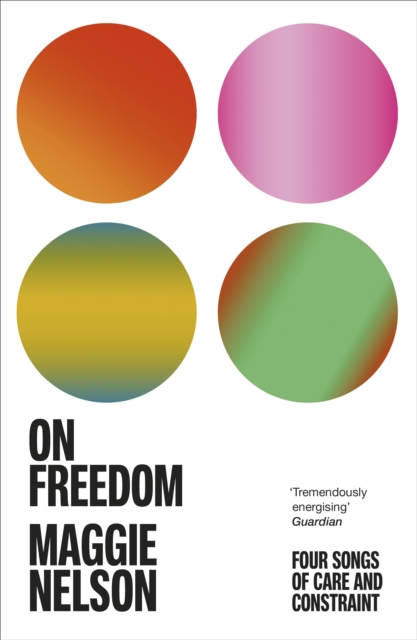
On Freedom
KSh 2,350.00

The Origin of Others
KSh 3,600.00
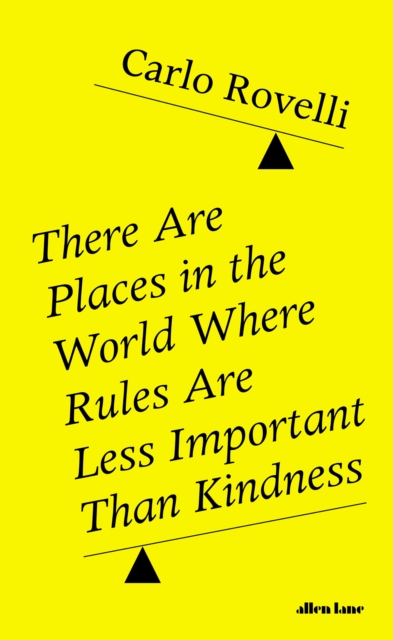
There Are Places in the World Where Rules Are Less Important Than Kindness
KSh 3,600.00

Amazing Peace
KSh 3,050.00
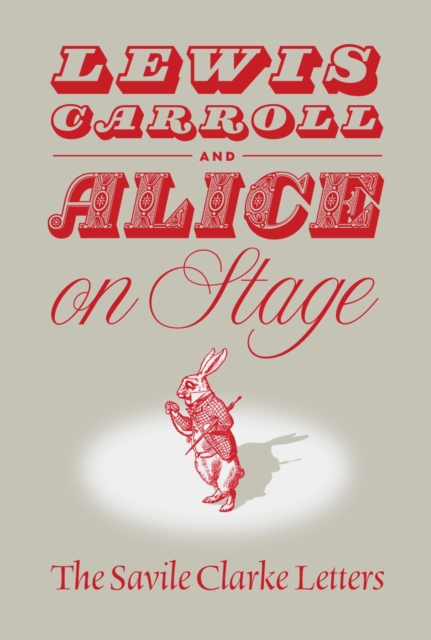
Lewis Carroll and "Alice" on Stage
KSh 9,350.00
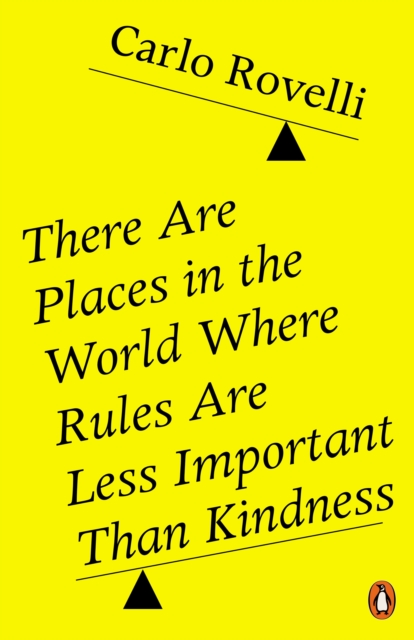
There Are Places in the World Where Rules Are Less Important Than Kindness
KSh 2,350.00
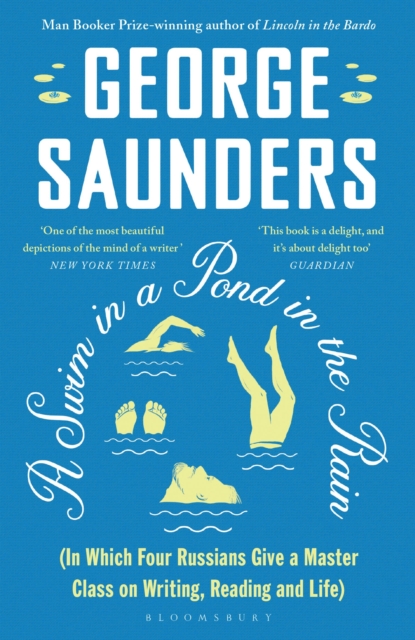
Swim in a Pond in the Rain
KSh 2,000.00

The Obscene Bird of Night – unabridged, centennial edition
KSh 3,050.00

I''m Not Here to Give a Speech
KSh 1,800.00

This Craft of Verse
KSh 3,600.00

On Great Writing (On the Sublime)
KSh 2,000.00

The Naked Eye
KSh 2,350.00
More by Dana Luciano


More in This Genre
On Freedom
KSh 2,350.00
The Origin of Others
KSh 3,600.00
There Are Places in the World Where Rules Are Less Important Than Kindness
KSh 3,600.00
Amazing Peace
KSh 3,050.00
Lewis Carroll and "Alice" on Stage
KSh 9,350.00
There Are Places in the World Where Rules Are Less Important Than Kindness
KSh 2,350.00
