
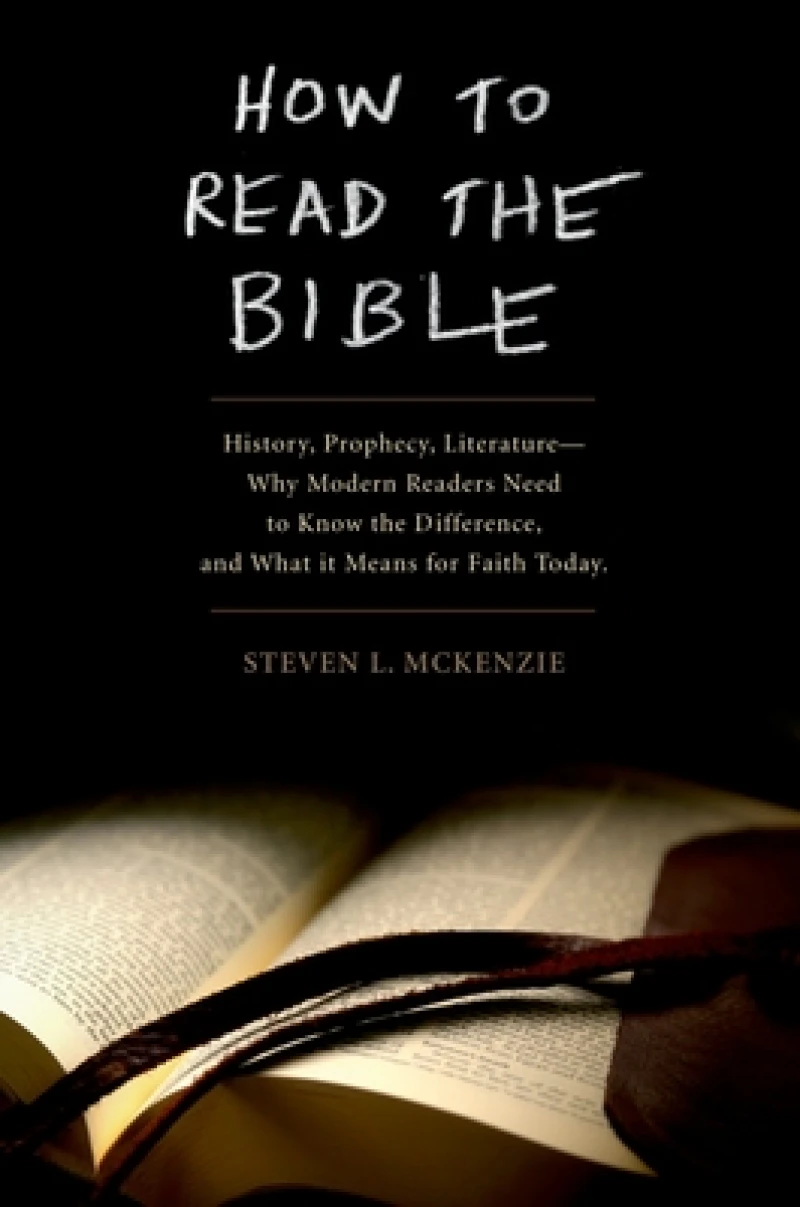
How to Read the Bible : History, Prophecy, Literature--Why Modern Readers Need to Know the Difference and What It Means for Faith Today
Book Details
Format
Paperback / Softback
ISBN-10
0195383303
ISBN-13
9780195383300
Publisher
Oxford University Press Inc
Imprint
Oxford University Press Inc
Country of Manufacture
GB
Country of Publication
GB
Publication Date
Apr 30th, 2009
Print length
224 Pages
Weight
350 grams
Dimensions
23.30 x 15.50 x 1.60 cms
Product Classification:
Religion: generalBibles
Ksh 3,350.00
Manufactured on Demand
0 in stock
Delivery Location
Delivery fee: Select location
Secure
Quality
Fast
More people read the Bible than any other book and, as Steven McKenzie shows in this provocative volume, most of us misread it. McKenzie argues that to comprehend the Bible we must grasp the intentions of the biblical authors themselves--what sort of texts they thought they were writing and how they would have been understood by their contemporaries. McKenzie examines several genres that are typically misunderstood, offering careful readings of specific texts to show how the confusion arises, and how knowing the genre produces a correct reading. The book of Jonah, for example, offers many clues that it is meant as a humorous satire, not a straight-faced historical account of a man who was swallowed by a fish. Likewise, the very names "Adam" (man) and "Eve" (life) tell us that these are not historical characters, but figures who symbolize human origins. For anyone who takes reading the Bible seriously and who wants to get it right, this book will be enlightening.
McKenzie argues that to comprehend the Bible we must grasp the intentions of the biblical authors themselves--what sort of texts they thought they were writing and how they would have been understood by their intended audience. In short, we must recognize the genres to which these texts belong. McKenzie examines several genres that are typically misunderstood, offering careful readings of specific texts to show how the confusion arises, and how knowing the genre produces a correct reading. The book of Jonah, for example, offers many clues that it is meant as a humorous satire, not a straight-faced historical account of a man who was swallowed by a fish. Likewise, McKenzie explains that the very names "Adam" and "Eve" tell us that these are not historical characters, but figures who symbolize human origins ("Adam" means man , "Eve" is related to the word for life ). Similarly, the authors of apocalyptic texts--including the Book of Revelation--were writing allegories of events that were happening in their own time. Not for a moment could they imagine that centuries afterwards, readers would be poring over their works for clues to the date of the Second Coming of Christ, or when and how the world would end. For anyone who takes reading the Bible seriously and who wants to get it right, this book will be both heartening and enlightening.
Get How to Read the Bible by at the best price and quality guaranteed only at Werezi Africa's largest book ecommerce store. The book was published by Oxford University Press Inc and it has pages.

