Cart 0
How to STEM
Click to zoom

Share this book

How to STEM : Science, Technology, Engineering, and Math Education in Libraries

Book Details

Format Paperback / Softback
ISBN-10 0810892731
ISBN-13 9780810892736
Publisher Bloomsbury Publishing Plc
Imprint Rowman & Littlefield Publishers
Country of Manufacture GB
Country of Publication GB
Publication Date Dec 5th, 2013
Print length 298 Pages
Weight 428 grams
Dimensions 15.40 x 22.70 x 2.20 cms
Ksh 13,500.00
Manufactured on Demand Delivery in 29 days

Delivery Location

Delivery fee: Select location

Delivery in 29 days

Secure
Quality
Fast
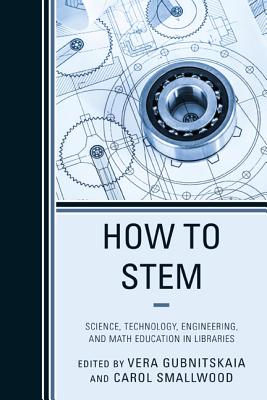
During the past few years, groups like the President's Council of Advisors on Science and Technology, Center for Education have been placing great emphasis on the significance of STEM (science, technology, engineering, and math) education. In brief, the US is seen as falling behind the rest of the world in science and technology education. In response, the curricula have been revised in many educational institutions and school districts across the country. It is clear that for STEM to be successful, other community organizations, most particularly libraries, need to be closely involved in the process. Library staff realize the importance of getting involved in STEM education, but many have difficulty finding comprehensive information that will help them plan and successfully implement STEM direction in their organization. This book is designed to meet that need. It is timely and relevant. How to STEM: Science, Technology, Engineering, and Math Education in Libraries is by and for libraries who are involved in contributing efforts into advancing these subjects. It is organized in 9 parts including funding, grant writing, community partnerships, outreach, research, and examples of specific programming activities. Authors are drawn from the professional staffs of educational institutions, libraries, and non-profit organizations such as science museums. The book contains eight parts, each emphasizing a different aspect of how to succeed with STEM. Part 1 emphasizes how hands-on activities that are both fun and educational can be used to further STEM awareness. Parts 2 and 3 contain chapters on the uniting of STEM with Information Literacy. Innovative collection development ideas are discussed in Part 4 and Part 5 focuses on research and publishing. Outreach is the theme of Part 6 and the programs described in these chapters offer an array of ways to connect with students of all ages. The final section of How to STEM: Science, Technology, Engineering, and Math Education in Libraries addresses the funding of these programs. Librarians of all types will be pleased to discover easy-to-implement suggestions for collaborative efforts, many rich and diverse programming ideas, strategies for improving reference services and library instruction to speakers of English as a second language, marketing and promotional tips designed to welcome multicultural patrons into the library, and much more.
During the past few years, groups like the President''s Council of Advisors on Science and Technology, Center for Education have been placing great emphasis on the significance of STEM (science, technology, engineering, and math) education. In brief, the US is seen as falling behind the rest of the world in science and technology education. In response, the curricula have been revised in many educational institutions and school districts across the country. It is clear that for STEM to be successful, other community organizations, most particularly libraries, need to be closely involved in the process. Library staff realize the importance of getting involved in STEM education, but many have difficulty finding comprehensive information that will help them plan and successfully implement STEM direction in their organization. This book is designed to meet that need. It is timely and relevant. How to STEM: Science, Technology, Engineering, and Math Education in Libraries is by and for libraries who are involved in contributing efforts into advancing these subjects. It is organized in 9 parts including funding, grant writing, community partnerships, outreach, research, and examples of specific programming activities. Authors are drawn from the professional staffs of educational institutions, libraries, and non-profit organizations such as science museums. The book contains eight parts, each emphasizing a different aspect of how to succeed with STEM. Part 1 emphasizes how hands-on activities that are both fun and educational can be used to further STEM awareness. Parts 2 and 3 contain chapters on the uniting of STEM with Information Literacy. Innovative collection development ideas are discussed in Part 4 and Part 5 focuses on research and publishing. Outreach is the theme of Part 6 and the programs described in these chapters offer an array of ways to connect with students of all ages. The final section of How to STEM: Science, Technology, Engineering, and Math Education in Libraries addresses the funding of these programs. Librarians of all types will be pleased to discover easy-to-implement suggestions for collaborative efforts, many rich and diverse programming ideas, strategies for improving reference services and library instruction to speakers of English as a second language, marketing and promotional tips designed to welcome multicultural patrons into the library, and much more.

Get How to STEM by at the best price and quality guaranteed only at Werezi Africa's largest book ecommerce store. The book was published by Bloomsbury Publishing Plc and it has pages.

Mind, Body, & Spirit

Price

Ksh 13,500.00

Shopping Cart

Africa largest book store

Sub Total:
Ebooks

Digital Library
Coming Soon

Our digital collection is currently being curated to ensure the best possible reading experience on Werezi. We'll be launching our Ebooks platform shortly.