
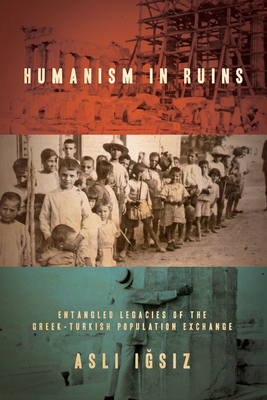
Book Details
Format
Paperback / softback
ISBN-10
1503606864
ISBN-13
9781503606869
Edition
New
Publisher
Stanford University Press
Imprint
Stanford University Press
Country of Manufacture
US
Country of Publication
GB
Publication Date
Sep 18th, 2018
Print length
277 Pages
Weight
534 grams
Dimensions
15.30 x 22.70 x 2.40 cms
KSh 4,150.00
Currently unavailable
0 in stock
Delivery Location
Delivery fee: Select location
Secure
Quality
Fast
The 1923 Greek-Turkish population exchange forcibly relocated one and a half million people: Muslims in Greece were resettled in Turkey, and Greek Orthodox Christians in Turkey were moved to Greece. This landmark event set a legal precedent for population management on the basis of religious or ethnic difference. Similar segregative policies—such as creating walls, partitions, and apartheids—have followed in its wake. Strikingly, the exchange was purportedly enacted as a means to achieve peace. Humanism in Ruins maps the links between liberal discourses on peace and the legacies of this forced migration. Asli Igsiz weaves together past and present, making visible the effects in Turkey across the ensuing century, of the 1923 exchange. Liberal humanism has responded to segregative policies by calling for coexistence and the acceptance of cultural diversity. Yet, as Igsiz makes clear, liberal humanism itself, with its ahistorical emphasis on a shared humanity, fails to confront an underlying racialized logic. This far-reaching and multilayered cultural history investigates what it means to be human—historically, socially, and politically. It delivers an urgent message about the politics of difference at a time when the reincarnation of fascism in different parts of the world invites citizens to participate in perpetuating a racialized and unequal world.
Get Humanism in Ruins by Asli Igsiz at the best price and quality guaranteed only at Werezi Africa's largest book ecommerce store. The book was published by Stanford University Press and it has 277 pages.
Customers Who Bought This Also Bought

History of the Arab Peoples
KSh 2,700.00

Black Wave
KSh 2,700.00

My Promised Land
KSh 3,400.00
The Hundred Years'' War on Palestine
KSh 2,150.00
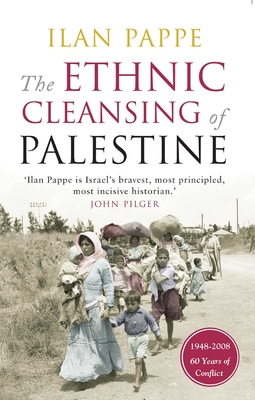
The Ethnic Cleansing of Palestine
KSh 2,350.00
Letters to My Palestinian Neighbor
KSh 3,400.00
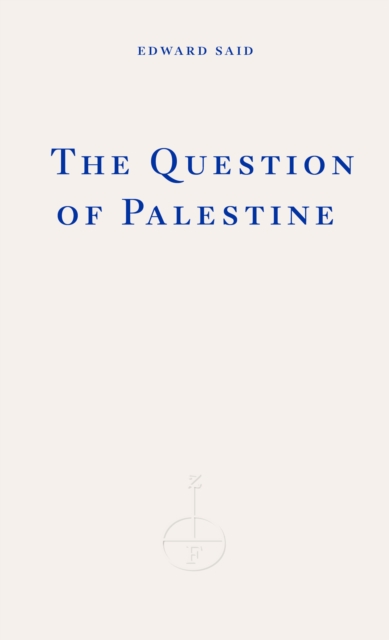
Question of Palestine
KSh 2,700.00

Palestine
KSh 2,400.00
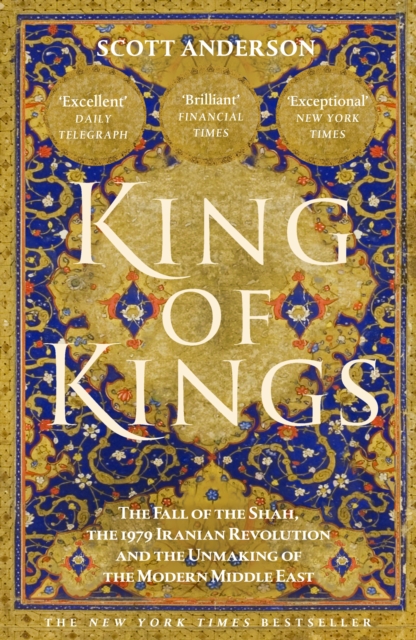
King of Kings
KSh 4,500.00
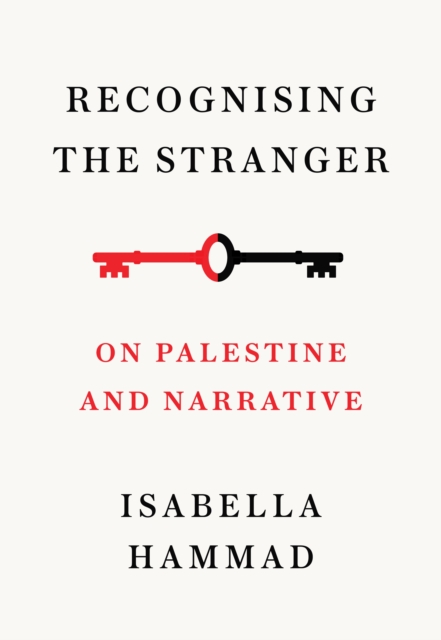
Recognising the Stranger
KSh 1,800.00
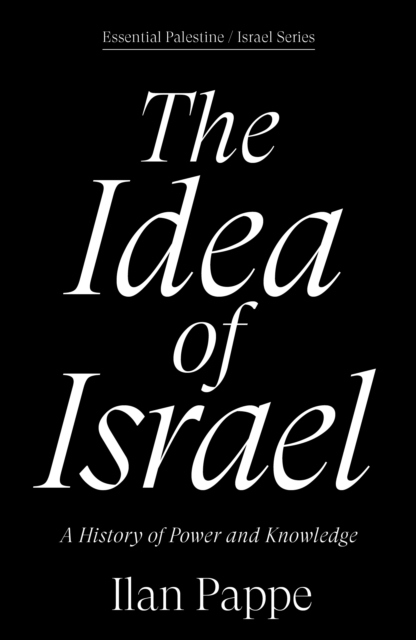
The Idea of Israel
KSh 2,700.00
Israel on the Brink
KSh 2,350.00
