
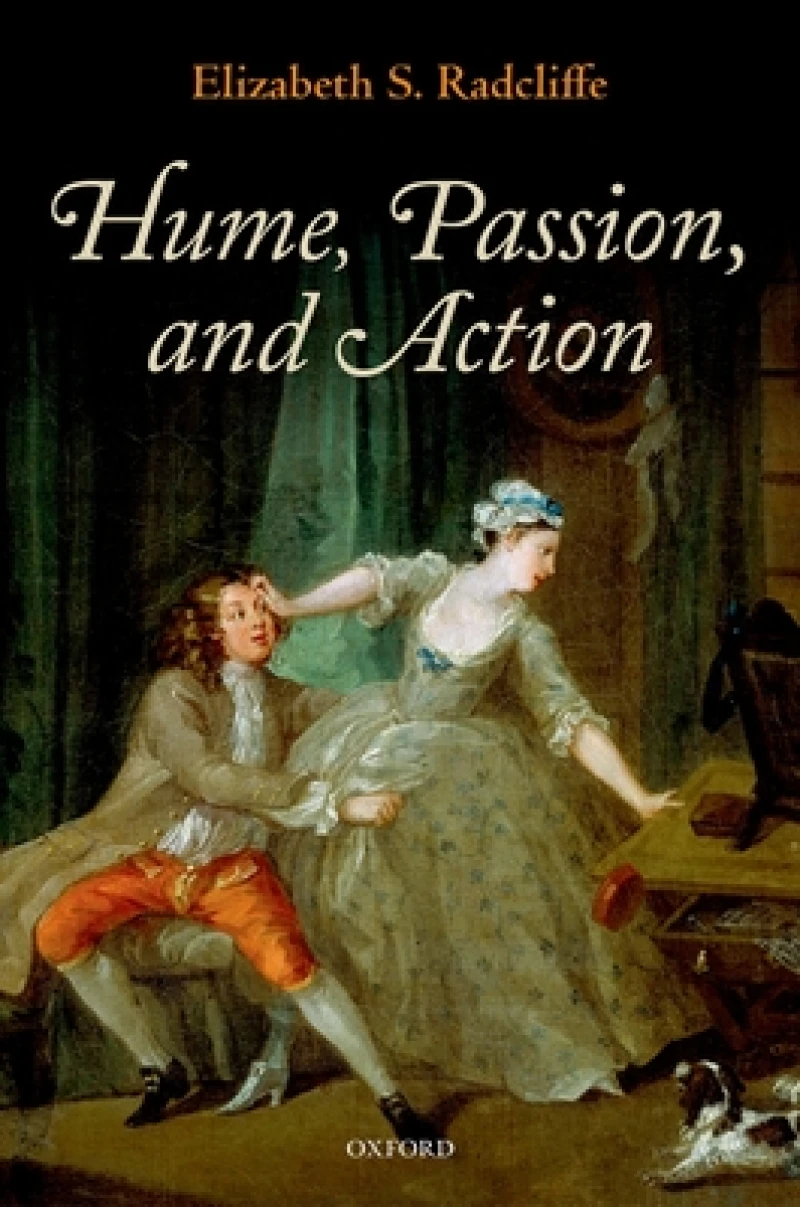
Hume, Passion, and Action
Book Details
Format
Hardback or Cased Book
ISBN-10
0199573298
ISBN-13
9780199573295
Publisher
Oxford University Press
Imprint
Oxford University Press
Country of Manufacture
GB
Country of Publication
GB
Publication Date
Jun 21st, 2018
Print length
244 Pages
Weight
494 grams
Dimensions
16.50 x 24.00 x 2.30 cms
Product Classification:
PhilosophyPhilosophy of mindEthics & moral philosophyHistory of ideas
Ksh 14,050.00
Manufactured on Demand
0 in stock
Delivery Location
Delivery fee: Select location
Secure
Quality
Fast
Elizabeth S. Radcliffe presents an original interpretation of David Hume's famous theory of action and motivation, according to which passion and reason cannot be opposed over the direction of action. She argues that according to Hume beliefs cannot move us to action without feeling, and she explores the implications for Hume's theory of morality.
David Hume''s theory of action is well known for several provocative theses, including that passion and reason cannot be opposed over the direction of action. Elizabeth S. Radcliffe defends an original interpretation of Hume''s views on passion, reason, and motivation which is consistent with other theses in Hume''s philosophy, loyal to his texts, and historically situated. She challenges the now orthodox interpretation of Hume on motivation, presenting an alternative that situates Hume closer to "Humeans" than many recent interpreters have. Part of the strategy is to examine the thinking of the early modern intellectuals to whom Hume responds. Most of these thinkers insisted that passions lead us to pursue harmful objects unless regulated by reason; and most regarded passions as representations of good and evil, which can be false. Understanding Hume''s response to these claims requires appreciating his respective characterizations of reason and passion. The author argues that Hume''s thesis that reason is practically impotent apart from passion is about beliefs generated by reason, rather than about the capacity of reason. Furthermore, the argument makes sense of Hume''s sometimes-ridiculed description of passions as "original existences" having no reference to objects. The author also shows how Hume understood morality as intrinsically motivating, while holding that moral beliefs are not themselves motives, and why he thought of passions as self-regulating, contrary to the admonitions of the rationalists.
Get Hume, Passion, and Action by at the best price and quality guaranteed only at Werezi Africa's largest book ecommerce store. The book was published by Oxford University Press and it has pages.

