
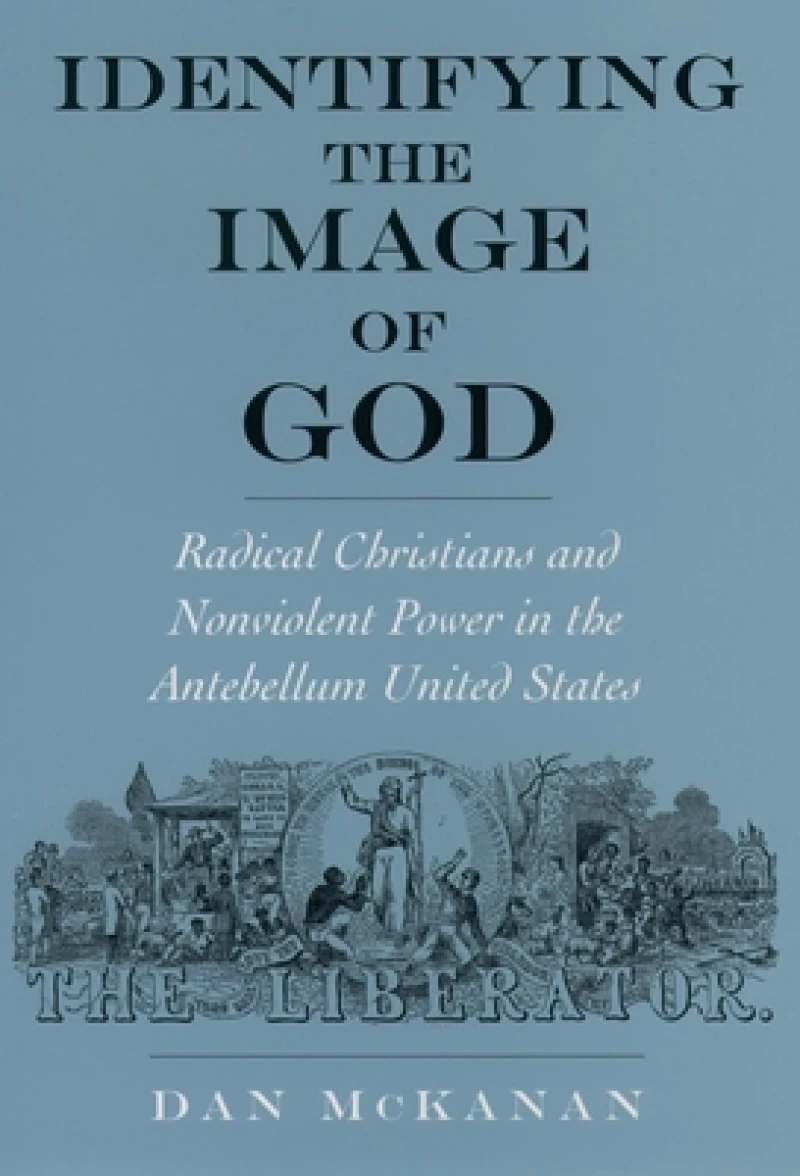
Identifying the Image of God : Radical Christians and Nonviolent Power in the Antebellum United States
by
Dan McKanan
Book Details
Format
Hardback or Cased Book
Book Series
Religion in America
ISBN-10
0195145321
ISBN-13
9780195145328
Publisher
Oxford University Press Inc
Imprint
Oxford University Press Inc
Country of Manufacture
GB
Country of Publication
GB
Publication Date
Nov 28th, 2002
Print length
304 Pages
Weight
584 grams
Dimensions
24.30 x 16.60 x 2.60 cms
Ksh 19,100.00
Manufactured on Demand
0 in stock
Delivery Location
Delivery fee: Select location
Secure
Quality
Fast
Between 1820 and 1860, American social reformers pioneered a "politics of identification", which invited people to identify with society's victims, seeing in their sufferings the image of God. This work traces this idea through various kinds of literature, from novels to slave narratives.
Between 1820 and 1860, American social reformers pioneered a sentimental "politics of identification" that invited people of all backgrounds to identify with the victims of war, slavery, and addiction. By portraying Native Americans, slaves, and "drunkards" as both physically vulnerable and socially related, these activists helped their neighbours see them as fully and equally human. Sentimental writers, like Lydia Maria Child, T. S. Arthur, Frederick Douglass, and Harriet Beecher Stowe, proposed that the image of God was visible in the victims of violence.In Identifying the Image of God, Dan McKanan traces the theme of identification through the literature of social reform, focusing on sentimental novels, temperance tales, and fugitive slave narratives. All of these genres, he suggests, were rooted in a liberal Christian theology that rejected traditional notions of original sin and claimed, instead, that all people possess a divine image with the power to transform the world. Sentimental literature drew on the liberal idealism of the Declaration of Independence, yet many reformers took shared American values to countercultural extremes. Indeed, radical Christian liberals like William Lloyd Garrison believed that sentimental identification could be the basis for a society free from all violence and coercion. Throughout, McKanan integrates the perspectives of theology, history, and literary studies to provide a fuller picture of antebellum social reform. In an era when sentimentality is synonymous with saccharine excess and liberalism with government bureaucracy, he defends both traditions. Though he recognizes the liabilities and limitations of sentimental liberalism, he insists that contemporary activists have much to learn from the abolitionists, nonresistants, and temperance reformers of the antebellum period. Their example invites all of us to identify with the marginalized of our society, and to use nonviolent affection to build a new society.
Get Identifying the Image of God by at the best price and quality guaranteed only at Werezi Africa's largest book ecommerce store. The book was published by Oxford University Press Inc and it has pages.

