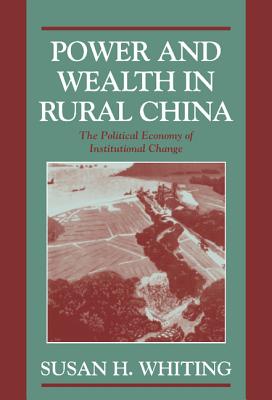
Illiberal Law and Development : Property Rights and Conflict Over Land in China
Book Details
Format
Hardback
Book Series
Cambridge Studies in Comparative Politics
ISBN-10
1316512096
ISBN-13
9781316512098
Publisher
Cambridge University Press
Imprint
Cambridge University Press
Country of Manufacture
GB
Country of Publication
GB
Publication Date
Apr 9th, 2026
Print length
255 Pages
Weight
485 grams
KSh 17,100.00
Currently unavailable
0 in stock
Delivery Location
Delivery fee: Select location
Secure
Quality
Fast
This book explains how China achieved transformative economic development without secure property rights and regime durability despite conflict. The state uses law both to reassign land rights from lower-value to higher-value uses and to manage the ensuing conflict. For advanced undergraduates and graduate students across social-science disciplines
In Illiberal Law and Development, Susan H. Whiting advances institutional economic theory with original survey and fieldwork data, addressing two puzzles in Chinese political economy: how economic development has occurred despite insecure property rights and weak rule of law; and how the Chinese state has maintained political control amid unrest. Whiting answers these questions by focusing on the role of illiberal law in reassigning property rights and redirecting grievances. The book reveals that, in the context of technological change, a legal system that facilitates reassignment of land rights to higher-value uses plays an important and under-theorized role in promoting economic development. This system simultaneously represses conflict and asserts legitimacy. Comparing China to post-Glorious Revolution England and contemporary India, Whiting presents an exciting new argument that brings the Chinese case more directly into debates in comparative politics about the role of the state in specifying property rights and maintaining authoritarian rule.
Get Illiberal Law and Development by Susan H. Whiting at the best price and quality guaranteed only at Werezi Africa's largest book ecommerce store. The book was published by Cambridge University Press and it has 255 pages.
Customers Who Bought This Also Bought

How Africa Works
KSh 3,050.00

How Africa Works
KSh 4,500.00

Rise Fall Great Powers
KSh 3,050.00
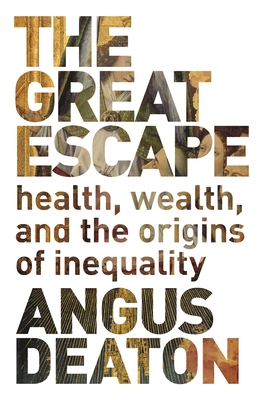
The Great Escape
KSh 2,900.00
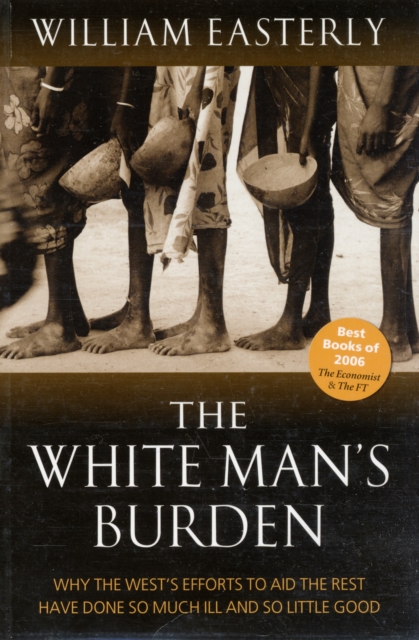
The White Man''s Burden
KSh 2,900.00
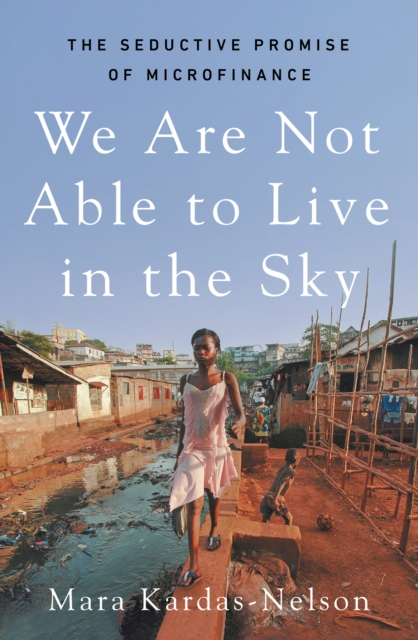
We Are Not Able to Live in the Sky
KSh 3,400.00
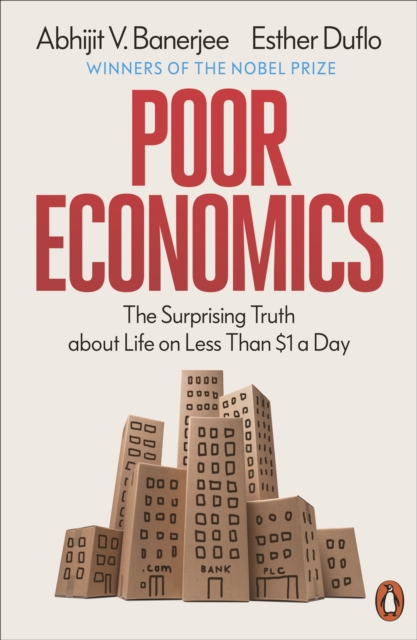
Poor Economics
KSh 2,350.00
Portfolios of the Poor – How the World`s Poor Live on $2 a Day
KSh 5,400.00
Poor Economics
KSh 2,000.00
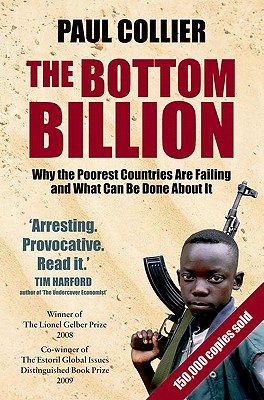
The Bottom Billion
KSh 2,500.00
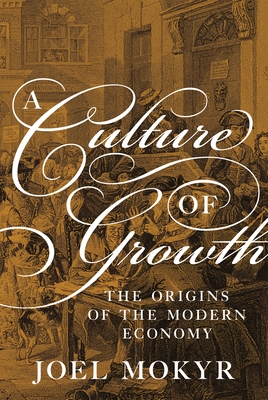
A Culture of Growth – The Origins of the Modern Economy
KSh 3,950.00
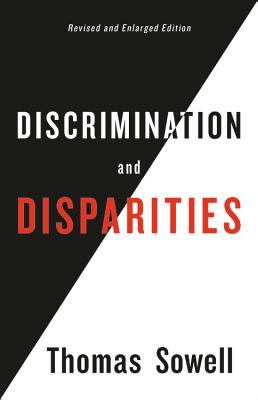
Discrimination and Disparities
KSh 5,400.00