Image Objects : An Archaeology of Computer Graphics
Book Details
Format
Hardback or Cased Book
ISBN-10
0262045036
ISBN-13
9780262045032
Publisher
MIT Press Ltd
Imprint
MIT Press
Country of Manufacture
GB
Country of Publication
GB
Publication Date
Aug 3rd, 2021
Print length
312 Pages
Weight
664 grams
Dimensions
16.10 x 23.50 x 3.10 cms
Product Classification:
Information technology: general issues
Ksh 5,950.00
Not available
Delivery in 7 days
1 copies in stock
Delivery Location
Delivery fee: Select location
Delivery in 7 days
Secure
Quality
Fast
How computer graphics transformed the computer from a calculating machine into an interactive medium, as seen through the histories of five technical objects.
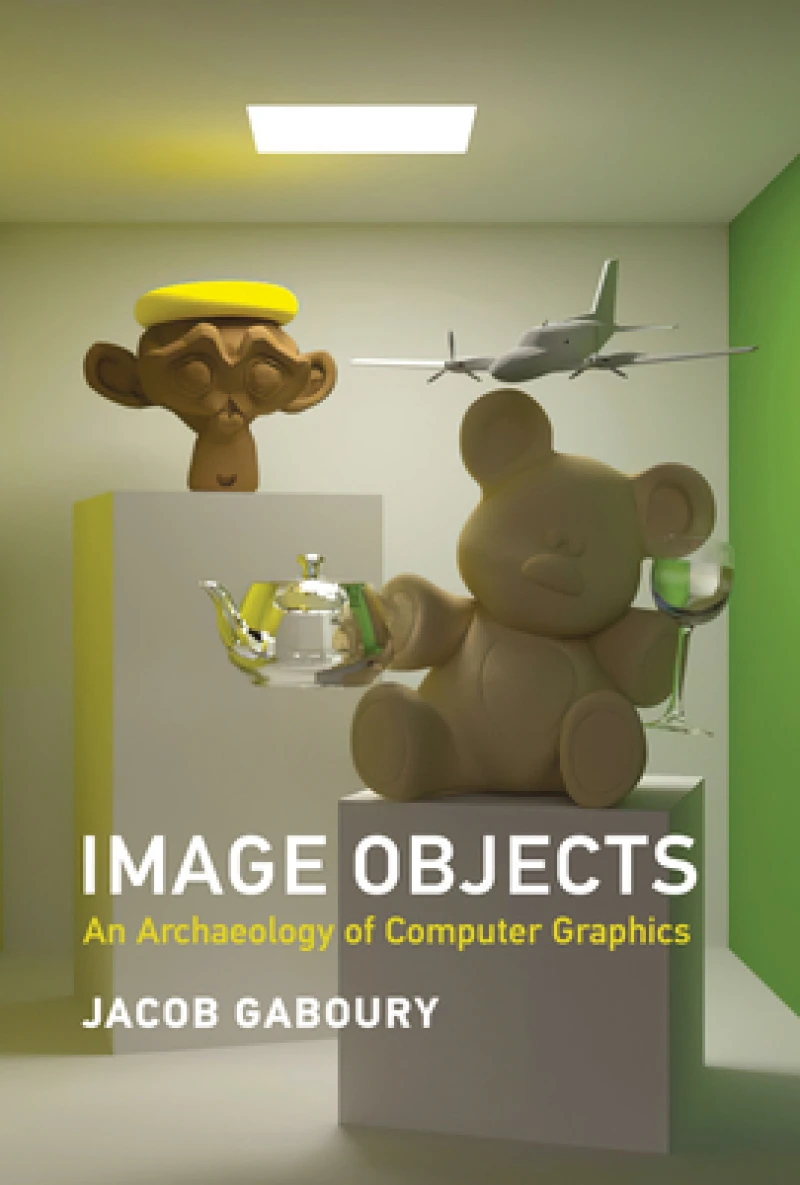
Most of us think of computer graphics as a relatively recent invention, enabling the spectacular visual effects and lifelike simulations we see in current films, television shows, and digital games. In fact, computer graphics have been around as long as the modern computer itself, and played a fundamental role in the development of our contemporary culture of computing. In Image Objects, Jacob Gaboury offers a prehistory of computer graphics through an examination of five technical objects--an algorithm, an interface, an object standard, a programming paradigm, and a hardware platform--arguing that computer graphics transformed the computer from a calculating machine into an interactive medium.
Gaboury explores early efforts to produce an algorithmic solution for the calculation of object visibility; considers the history of the computer screen and the random-access memory that first made interactive images possible; examines the standardization of graphical objects through the Utah teapot, the most famous graphical model in the history of the field; reviews the graphical origins of the object-oriented programming paradigm; and, finally, considers the development of the graphics processing unit as the catalyst that enabled an explosion in graphical computing at the end of the twentieth century.
The development of computer graphics, Gaboury argues, signals a change not only in the way we make images but also in the way we mediate our world through the computer--and how we have come to reimagine that world as computational.
Most of us think of computer graphics as a relatively recent invention, enabling the spectacular visual effects and lifelike simulations we see in current films, television shows, and digital games. In fact, computer graphics have been around as long as the modern computer itself, and played a fundamental role in the development of our contemporary culture of computing. In Image Objects, Jacob Gaboury offers a prehistory of computer graphics through an examination of five technical objects--an algorithm, an interface, an object standard, a programming paradigm, and a hardware platform--arguing that computer graphics transformed the computer from a calculating machine into an interactive medium.
Gaboury explores early efforts to produce an algorithmic solution for the calculation of object visibility; considers the history of the computer screen and the random-access memory that first made interactive images possible; examines the standardization of graphical objects through the Utah teapot, the most famous graphical model in the history of the field; reviews the graphical origins of the object-oriented programming paradigm; and, finally, considers the development of the graphics processing unit as the catalyst that enabled an explosion in graphical computing at the end of the twentieth century.
The development of computer graphics, Gaboury argues, signals a change not only in the way we make images but also in the way we mediate our world through the computer--and how we have come to reimagine that world as computational.
Get Image Objects by at the best price and quality guaranteed only at Werezi Africa's largest book ecommerce store. The book was published by MIT Press Ltd and it has pages.