

Imaginary Empires : Women Writers and Alternative Futures in Early US Literature
Book Details
Format
Hardback
ISBN-10
0807178489
ISBN-13
9780807178485
Publisher
Louisiana State University Press
Imprint
Louisiana State University Press
Country of Manufacture
GB
Country of Publication
GB
Publication Date
Dec 7th, 2022
Print length
246 Pages
Weight
221 grams
Dimensions
22.80 x 15.20 x 1.70 cms
KSh 6,500.00
Currently unavailable
0 in stock
Delivery Location
Delivery fee: Select location
Secure
Quality
Fast
Examines early American texts published between 1767 and 1867 whose narratives represent women’s engagement in the formation of empire. Maria O’Malley’s analysis unearths a variety of responses to contact, exchange, and cohabitation, stressing the possibilities inherent in the literary to foster participation, resignification, and rapprochement.
In Imaginary Empires, Maria O'Malley examines early American texts published between 1767 and 1867 whose narratives represent women's engagement in the formation of empire. Her analysis unearths a variety of responses to contact, exchange, and cohabitation in the early United States, stressing the possibilities inherent in the literary to foster participation, resignification, and rapprochement.
New readings of The Female American, Leonora Sansay's Secret History, Catharine Maria Sedgwick's Hope Leslie, Lydia Maria Child's A Romance of the Republic, and Harriet Jacobs's Incidents in the Life of a Slave Girl confound the metaphors of ghosts, haunting, and amnesia that proliferate in many recent studies of early US literary history. Instead, as O'Malley shows, these writings foreground acts of foundational violence involved in the militarization of domestic spaces, the legal impediments to the transfer of property and wealth, and the geopolitical standing of the United States. Racialized and gendered figures in the texts refuse to die, leave, or stay silent. In imagining different kinds of futures, these writers reckon with the ambivalent role of women in empire-building as they negotiate between their own subordinate position in society and their exertion of sovereignty over others.
By tracing a thread of virtual history found in works by women, Imaginary Empires explores how reflections of the past offer a means of shaping future sociopolitical formations.
New readings of The Female American, Leonora Sansay's Secret History, Catharine Maria Sedgwick's Hope Leslie, Lydia Maria Child's A Romance of the Republic, and Harriet Jacobs's Incidents in the Life of a Slave Girl confound the metaphors of ghosts, haunting, and amnesia that proliferate in many recent studies of early US literary history. Instead, as O'Malley shows, these writings foreground acts of foundational violence involved in the militarization of domestic spaces, the legal impediments to the transfer of property and wealth, and the geopolitical standing of the United States. Racialized and gendered figures in the texts refuse to die, leave, or stay silent. In imagining different kinds of futures, these writers reckon with the ambivalent role of women in empire-building as they negotiate between their own subordinate position in society and their exertion of sovereignty over others.
By tracing a thread of virtual history found in works by women, Imaginary Empires explores how reflections of the past offer a means of shaping future sociopolitical formations.
Get Imaginary Empires by Maria O'Malley at the best price and quality guaranteed only at Werezi Africa's largest book ecommerce store. The book was published by Louisiana State University Press and it has 246 pages.
Customers Who Bought This Also Bought

How to Read a Book
KSh 2,000.00
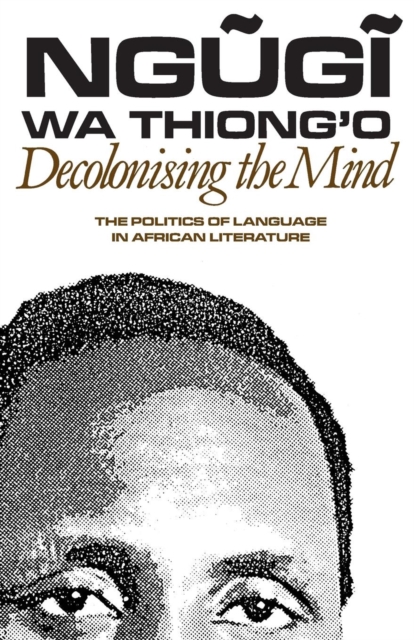
Decolonising the Mind
KSh 4,700.00

How to Read & Why
KSh 2,350.00
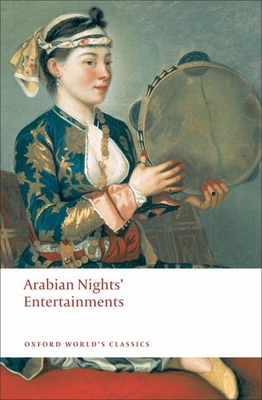
Arabian Nights'' Entertainments
KSh 2,950.00
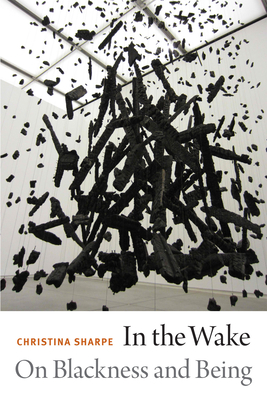
In the Wake
KSh 3,600.00
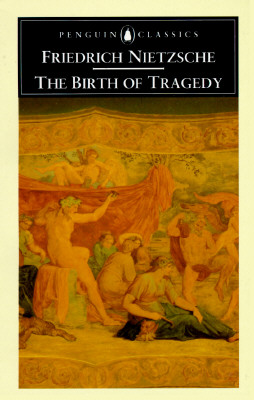
The Birth of Tragedy
KSh 1,800.00
Against Nature
KSh 1,800.00

The White Album
KSh 3,250.00
Robinson Crusoe
KSh 1,450.00
Metaphysical Poetry
KSh 2,350.00
Reading Lessons
KSh 2,350.00

Literature Book
KSh 4,250.00
