
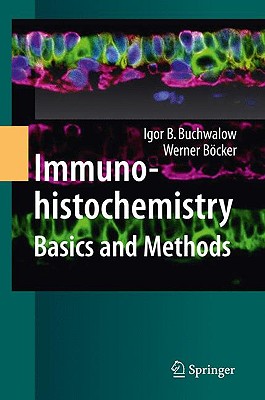
Immunohistochemistry: Basics and Methods
Book Details
Format
Hardback
ISBN-10
3642046088
ISBN-13
9783642046087
Publisher
Springer-Verlag Berlin and Heidelberg GmbH & Co. KG
Imprint
Springer-Verlag Berlin and Heidelberg GmbH & Co. K
Country of Manufacture
DE
Country of Publication
GB
Publication Date
Feb 12th, 2010
Print length
153 Pages
Weight
430 grams
Dimensions
24.10 x 16.30 x 1.70 cms
Product Classification:
HistologyImmunology
KSh 36,350.00
Currently unavailable
0 in stock
Delivery Location
Delivery fee: Select location
Secure
Quality
Fast
This concise yet comprehensive guide to the methods and protocols of immunohistochemistry covers established techniques and current developments in the field such as the use of epitope tags, multiple immunolabeling and diagnostic immunohistochemistry.
Combiningtwodifferentscienti?cdisciplines-morphologyandimmunochemistry- immunohistochemistryhasdevelopedasanimportantinstrumentinresearchand clinicalpathology. A basicunderstandingofunderlying principlesandpotential problemsisunavoidableifyouwanttobesuccessfulinyouruseofimmunohis- chemistry,aswellasingettingyourpaperspublishedandyourresearchgrants funded. Whilemanyexcellenttextsandmonographsexistwhichcovervariousaspects ofimmunohistochemistry,thelackofaconcisecomprehensiveguidetousing thesemethodswasamajormotivationforwritingthisbook. Ourintentionwasto createaneasy-to-readandfocusedresourcebasedonstate-of-the-artinformation forabroadaudiencerangingfromstudentsandtechnicalassistantstoexperienced researchers. Thishandbookhasaconciseformat,withprotocolsandinstructionsfor methodsimmediatelyfollowingtheshortintroductorytheoreticalmaterialineach chapter. BeingconsciousofthegrowingroleofInternetasaninformationsource, wehavefounditreasonableinmanycasestosubstitutecitingbooksandjournal publications with corresponding Internet websites. Where possible, commercial sourcesofreagents,kits,andequipmentarelistedthroughoutthetextinsteadof inaseparateindex. Thougheachchapterissmallandintroductory,thishandbook itself is self-suf?cient and provides a comprehensive look at the principles of immunohistochemistry. For readers wanting further depth of knowledge, each chapterisbackedupbyashortlistofcarefullyselectedoriginalarticles. Duringthelastdecade,pioneeringeffortsofhistochemistshaveledtoan- menseimprovementinthereagentsandprotocols. Theresearcherisurgedalwaysto determinethereasonforeverymethodandstepbeforedoingit. Thishandbookis intendedtohelpreaderstoavoidtroublesinthechoiceofanadequatemethod,which happenswhenusingstandardtextbooks. Forthishandbook,wecarefullyselected establishedmethodsandeasy-to-adoptprotocols,payingattentiontomoderndev- opmentsinimmunohistochemistry,suchasantigenretrieval,signalampli?cation, the use of epitope tags in immunohistochemistry, multiple immunolabeling or diagnosticimmunohistochemistry. Eachofthemethodsdescribedinthishandbook v vi Preface was provedby the authors; many of these methods are routinely used in daily practiceintheirinstitute. Allthepracticalmethodsadvocatedareclearlydescribed, withaccompanyingtables,andtheresultsobtainableareillustratedwithcolour micrographs. Acknowledgements We thank Vera Samoilova forthe perfect technical assistance and other colleaguesfromtheMunsterUniversityClinicforsharingprobesandreagents. IgorB. BuchwalowandWernerBocker Munster Contents 1 AntibodiesforImmunohistochemistry ...1 1. 1 StructureofAntibodies ...2 1. 2 PolyclonalAntibodies ...4 1. 3 MouseMonoclonalAntibodies ...4 1. 4 RabbitMonoclonalAntibodies ...5 1. 5 ProteinAandProteinGinImmunohistochemistry ...7 References ...8 2 AntibodyLabelingandtheChoiceoftheLabel ...9 2. 1 CovalentLabelingofAntibodies ...9 2. 2 Non-CovalentLabelingofPrimaryAntibodieswith LabeledFabFragments ...10 2. 3 EnzymeLabelsforLightMicroscopy ...13 2. 4 FluorophoreLabelsforFluorescenceMicroscopy ...15 2. 5 ColloidalGoldLabelsforElectronMicroscopy ...16 References ...17 3 ProbesProcessinginImmunohistochemistry ...19 3. 1 FixationinImmunohistochemistry ...19 3. 1. 1 FixationinAlcoholsandAcetone ...20 3. 1. 2 FixationinFormaldehyde ...20 3. 1. 3 EffectofFormaldehydeFixationon Antigen-nster Contents 1 AntibodiesforImmunohistochemistry ...1 1. 1 StructureofAntibodies ...2 1. 2 PolyclonalAntibodies ...4 1. 3 MouseMonoclonalAntibodies ...4 1. 4 RabbitMonoclonalAntibodies ...5 1. 5 ProteinAandProteinGinImmunohistochemistry ...7 References ...8 2 AntibodyLabelingandtheChoiceoftheLabel ...9 2. 1 CovalentLabelingofAntibodies ...9 2. 2 Non-CovalentLabelingofPrimaryAntibodieswith LabeledFabFragments ...10 2. 3 EnzymeLabelsforLightMicroscopy ...13 2. 4 FluorophoreLabelsforFluorescenceMicroscopy ...15 2. 5 ColloidalGoldLabelsforElectronMicroscopy ...16 References ...17 3 ProbesProcessinginImmunohistochemistry ...19 3. 1 FixationinImmunohistochemistry ...19 3. 1. 1 FixationinAlcoholsandAcetone ...20 3. 1. 2 FixationinFormaldehyde ...20 3. 1. 3 EffectofFormaldehydeFixationon Antigen- immunohistochemistryhasdevelopedasanimportantinstrumentinresearchand clinicalpathology. A basicunderstandingofunderlying principlesandpotential problemsisunavoidableifyouwanttobesuccessfulinyouruseofimmunohis- chemistry,aswellasingettingyourpaperspublishedandyourresearchgrants funded. Whilemanyexcellenttextsandmonographsexistwhichcovervariousaspects ofimmunohistochemistry,thelackofaconcisecomprehensiveguidetousing thesemethodswasamajormotivationforwritingthisbook. Ourintentionwasto createaneasy-to-readandfocusedresourcebasedonstate-of-the-artinformation forabroadaudiencerangingfromstudentsandtechnicalassistantstoexperienced researchers. Thishandbookhasaconciseformat,withprotocolsandinstructionsfor methodsimmediatelyfollowingtheshortintroductorytheoreticalmaterialineach chapter. BeingconsciousofthegrowingroleofInternetasaninformationsource, wehavefounditreasonableinmanycasestosubstitutecitingbooksandjournal publications with corresponding Internet websites. Where possible, commercial sourcesofreagents,kits,andequipmentarelistedthroughoutthetextinsteadof inaseparateindex. Thougheachchapterissmallandintroductory,thishandbook itself is self-suf?cient and provides a comprehensive look at the principles of immunohistochemistry. For readers wanting further depth of knowledge, each chapterisbackedupbyashortlistofcarefullyselectedoriginalarticles. Duringthelastdecade,pioneeringeffortsofhistochemistshaveledtoan- menseimprovementinthereagentsandprotocols. Theresearcherisurgedalwaysto determinethereasonforeverymethodandstepbeforedoingit. Thishandbookis intendedtohelpreaderstoavoidtroublesinthechoiceofanadequatemethod,which happenswhenusingstandardtextbooks. Forthishandbook,wecarefullyselected establishedmethodsandeasy-to-adoptprotocols,payingattentiontomoderndev- opmentsinimmunohistochemistry,suchasantigenretrieval,signalampli?cation, the use of epitope tags in immunohistochemistry, multiple immunolabeling or diagnosticimmunohistochemistry. Eachofthemethodsdescribedinthishandbook v vi Preface was provedby the authors; many of these methods are routinely used in daily practiceintheirinstitute. Allthepracticalmethodsadvocatedareclearlydescribed, withaccompanyingtables,andtheresultsobtainableareillustratedwithcolour micrographs. Acknowledgements We thank Vera Samoilova forthe perfect technical assistance and other colleaguesfromtheMunsterUniversityClinicforsharingprobesandreagents. IgorB. BuchwalowandWernerBocker Munster Contents 1 AntibodiesforImmunohistochemistry ...1 1. 1 StructureofAntibodies ...2 1. 2 PolyclonalAntibodies ...4 1. 3 MouseMonoclonalAntibodies ...4 1. 4 RabbitMonoclonalAntibodies ...5 1. 5 ProteinAandProteinGinImmunohistochemistry ...7 References ...8 2 AntibodyLabelingandtheChoiceoftheLabel ...9 2. 1 CovalentLabelingofAntibodies ...9 2. 2 Non-CovalentLabelingofPrimaryAntibodieswith LabeledFabFragments ...10 2. 3 EnzymeLabelsforLightMicroscopy ...13 2. 4 FluorophoreLabelsforFluorescenceMicroscopy ...15 2. 5 ColloidalGoldLabelsforElectronMicroscopy ...16 References ...17 3 ProbesProcessinginImmunohistochemistry ...19 3. 1 FixationinImmunohistochemistry ...19 3. 1. 1 FixationinAlcoholsandAcetone ...20 3. 1. 2 FixationinFormaldehyde ...20 3. 1. 3 EffectofFormaldehydeFixationon Antigen-AntibodyBinding ...21 3. 2 Paraf?nSectionsforImmunohistochemicalAnalysis ...22 3. 2. 1 EmbeddingandCutting ...22 3. 2. 2 MountingParaf?nSectionsontoSlides ...23 3. 3 CryosectionsforImmunohistochemicalAnalysis ...24 3. 4 BuffersforWashingandAntibodyDilution ...25 3. 5 MountingFollowingImmunohistochemicalStaining ...27 3. 6 StorageFollowingImmunohistochemicalStaining ...28 References ...28 vii viii Contents 4 WorkingwithAntibodies ...31 4. 1 DirectImmunostainingMethod ...31 4. 2 IndirectImmunostainingMethod ...33 4. 3 TheChoiceofAntibodies ...35 4. 3. 1 TheChoiceofPrimaryAntibodies ...35 4. 3. 2 TheChoiceofSecondaryAntibodies ...
Get Immunohistochemistry: Basics and Methods by Igor B. Buchwalow, Werner Bocker at the best price and quality guaranteed only at Werezi Africa's largest book ecommerce store. The book was published by Springer-Verlag Berlin and Heidelberg GmbH & Co. KG and it has 153 pages.
Customers Who Bought This Also Bought

Wheater''s Functional Histology
KSh 11,250.00

Tissue Repair and Fibrosis
KSh 12,950.00
Submikroskopische Ortho- Und Pathomorphologie Der Leber / Submicroscopic Ortho- and Patho-morphology of the Liver
KSh 19,000.00

The BMT Data Book
KSh 18,900.00

Histology and Cell Biology: Examination and Board Review, Sixth Edition
KSh 11,700.00

Human Histology
KSh 28,450.00

Adult Stem Cells
KSh 23,400.00

Cell and Molecular Biology
KSh 27,350.00

neuroallergischen Beziehungen in der Histopathologie der multiplen Sklerose
KSh 22,250.00

Histological Approach to Human Body Barriers
KSh 31,150.00

Mechanical Properties of Aging Soft Tissues
KSh 16,200.00

Netter''s Essential Histology: With Correlated Histopathology
KSh 13,000.00
More in This Genre
Wheater''s Functional Histology
KSh 11,250.00
Tissue Repair and Fibrosis
KSh 12,950.00
Submikroskopische Ortho- Und Pathomorphologie Der Leber / Submicroscopic Ortho- and Patho-morphology of the Liver
KSh 19,000.00
The BMT Data Book
KSh 18,900.00
Histology and Cell Biology: Examination and Board Review, Sixth Edition
KSh 11,700.00
Human Histology
KSh 28,450.00
