

Imperial Debris : On Ruins and Ruination
Book Details
Format
Hardback
ISBN-10
0822353482
ISBN-13
9780822353485
Publisher
Duke University Press
Imprint
Duke University Press
Country of Manufacture
US
Country of Publication
GB
Publication Date
May 10th, 2013
Print length
384 Pages
Weight
662 grams
KSh 18,000.00
Currently unavailable
0 in stock
Delivery Location
Delivery fee: Select location
Secure
Quality
Fast
Imperial Debris redirects scholarly focus away from ruins as evidence of the past to "ruination" as the processes through which imperial power occupies the environment, and bodies and minds, in the present.
Imperial Debris redirects critical focus from ruins as evidence of the past to "ruination" as the processes through which imperial power occupies the present. Ann Laura Stoler''s introduction is a manifesto, a compelling call for postcolonial studies to expand its analytical scope to address the toxic but less perceptible corrosions and violent accruals of colonial aftermaths, as well as their durable traces on the material environment and people''s bodies and minds. In their provocative, tightly focused responses to Stoler, the contributors explore subjects as seemingly diverse as villages submerged during the building of a massive dam in southern India, Palestinian children taught to envision and document ancestral homes razed by the Israeli military, and survival on the toxic edges of oil refineries and amid the remains of apartheid in Durban, South Africa. They consider the significance of Cold War imagery of a United States decimated by nuclear blast, perceptions of a swath of Argentina''s Gran Chaco as a barbarous void, and the enduring resonance, in contemporary sexual violence, of atrocities in King Leopold''s Congo. Reflecting on the physical destruction of Sri Lanka, on Detroit as a colonial metropole in relation to sites of ruination in the Amazon, and on interactions near a UNESCO World Heritage Site in the Brazilian state of Bahia, the contributors attend to present-day harms in the occluded, unexpected sites and situations where earlier imperial formations persist.
Contributors. Ariella Azoulay, John F. Collins, Sharad Chari, E. Valentine Daniel, GastÓn Gordillo, Greg Grandin, Nancy Rose Hunt, Joseph Masco, Vyjayanthi Venuturupalli Rao, Ann Laura Stoler
Contributors. Ariella Azoulay, John F. Collins, Sharad Chari, E. Valentine Daniel, GastÓn Gordillo, Greg Grandin, Nancy Rose Hunt, Joseph Masco, Vyjayanthi Venuturupalli Rao, Ann Laura Stoler
Get Imperial Debris by Ann Laura Stoler at the best price and quality guaranteed only at Werezi Africa's largest book ecommerce store. The book was published by Duke University Press and it has 384 pages.
Customers Who Bought This Also Bought
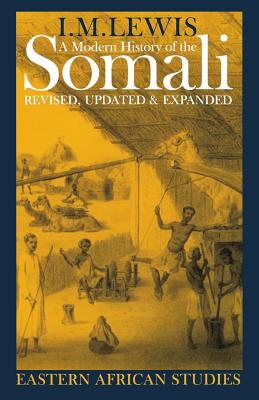
A Modern History of the Somali
KSh 5,300.00
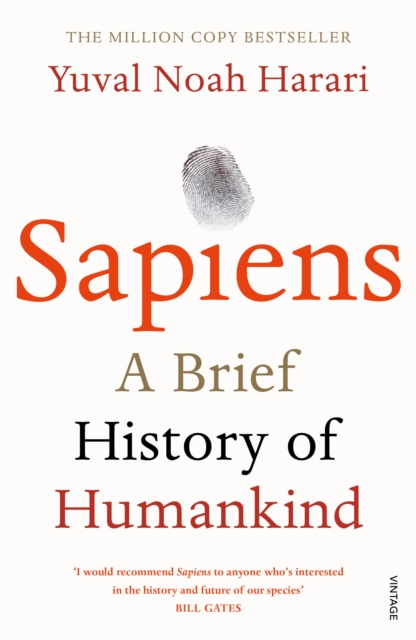
Sapiens
KSh 2,350.00

Rise Fall Great Powers
KSh 3,050.00

Legacy of Violence
KSh 3,150.00

Chip War
KSh 2,000.00
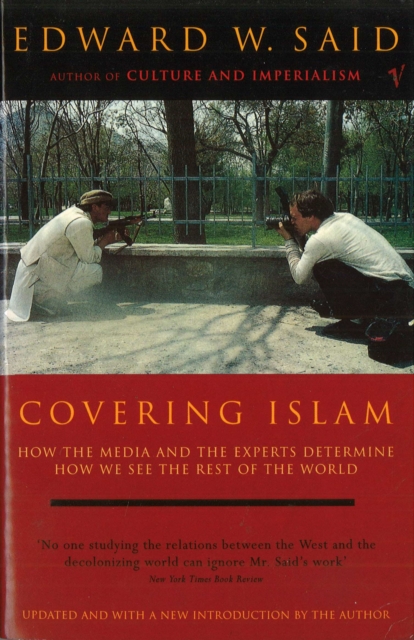
Covering Islam
KSh 2,350.00

They Came Before Columbus
KSh 3,400.00

Hiroshima
KSh 2,000.00

Guns, Germs and Steel
KSh 2,400.00

Silk Roads
KSh 3,050.00

Empire
KSh 2,700.00

Strategy
KSh 4,350.00
