
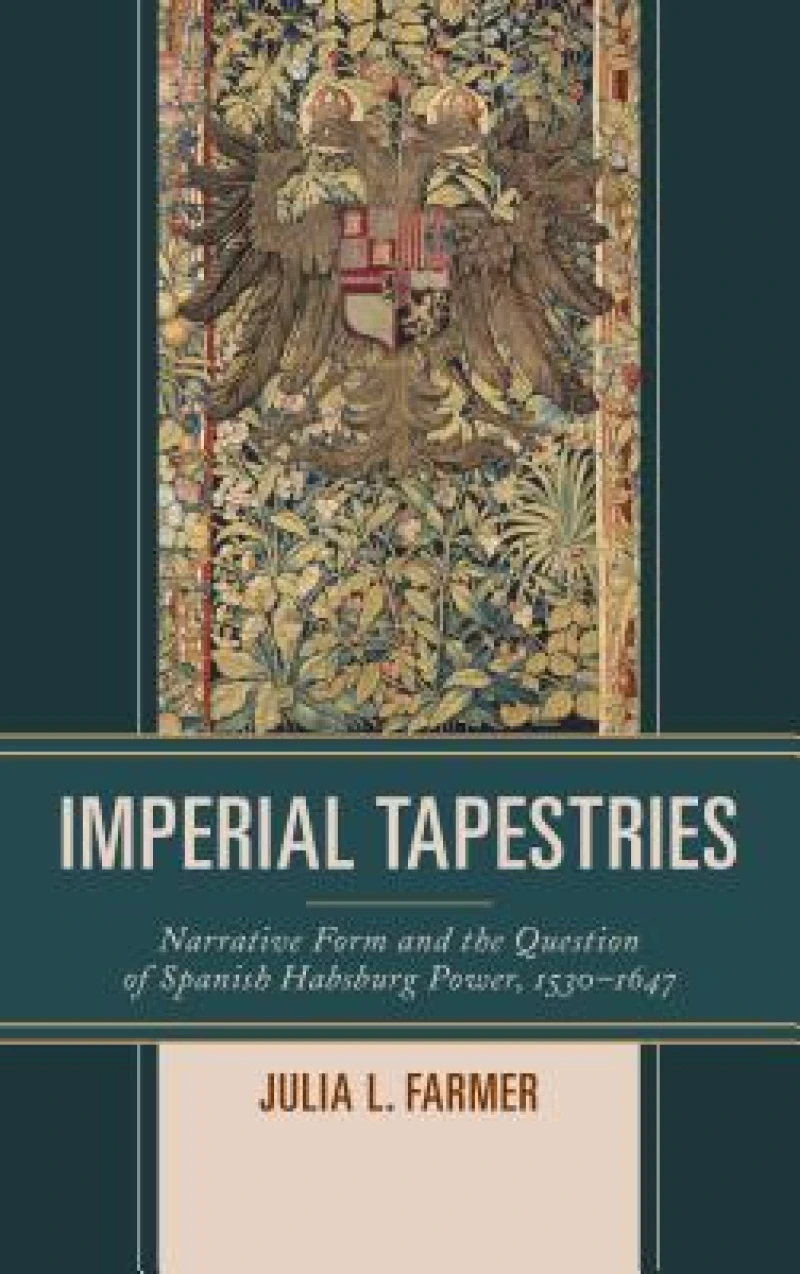
Imperial Tapestries : Narrative Form and the Question of Spanish Habsburg Power, 1530–1647
Book Details
Format
Hardback or Cased Book
ISBN-10
1611487463
ISBN-13
9781611487466
Publisher
Bucknell University Press
Imprint
Bucknell University Press
Country of Manufacture
US
Country of Publication
GB
Publication Date
Jul 26th, 2016
Print length
208 Pages
Weight
464 grams
Dimensions
16.10 x 23.60 x 2.10 cms
Product Classification:
Literary theoryLiterary studies: c 1500 to c 1800
Ksh 15,600.00
Manufactured on Demand
0 in stock
Delivery Location
Delivery fee: Select location
Secure
Quality
Fast
Imperial Tapestries represents a transnational approach to questions of monarchical power and literary form in early modern Europe. In line with Barbara Fuchs’s recent call for considerations of center versus periphery in Old World contexts, it explores the ways in which some of the most significant authors of the early modern era questioned the structures of Spanish Habsburg authority through “imperial texts”—texts that call attention to their organizational process—in order to mirror authors’ perceptions of the structures of Habsburg power.With a contextual basis in Fuchs’ notion of imperium studies, ideas of self-fashioning, and theories of early modern reading, the study explores the ways in which complex narrative forms in the early modern period reflected the concerns with the structures of Habsburg imperial power subtly portrayed within the narratives themselves. A close reading of the various strands that form the tapestries of the texts at issue reveals a deep undercurrent of misgivings toward various manifestations of Spanish Habsburg power on the part of authors who had experienced its effects first-hand. Whether the complex narrative devices in question cast the Habsburg monarchs as monster, misogynist, sorceress, aloof shepherdess, or mad would-be knight errant, they all have one thing in common: the spatialized forms that they create correspond directly with the ways in which the authors in question perceive the more disillusioning aspects of Habsburg hegemony. Authors studied in the volume include Ludovico Ariosto, Garcilaso de la Vega, Jorge de Montemayor, Miguel de Cervantes, and María de Zayas.
Imperial Tapestries represents a transnational approach to questions of monarchical power and literary form in early modern Europe. In line with Barbara Fuchs’s recent call for considerations of center versus periphery in Old World contexts, it explores the ways in which some of the most significant authors of the early modern era questioned the structures of Spanish Habsburg authority through “imperial texts”—texts that call attention to their organizational process—in order to mirror authors’ perceptions of the structures of Habsburg power. With a contextual basis in Fuchs’ notion of imperium studies, ideas of self-fashioning, and theories of early modern reading, the study explores the ways in which complex narrative forms in the early modern period reflected the concerns with the structures of Habsburg imperial power subtly portrayed within the narratives themselves. A close reading of the various strands that form the tapestries of the texts at issue reveals a deep undercurrent of misgivings toward various manifestations of Spanish Habsburg power on the part of authors who had experienced its effects first-hand. Whether the complex narrative devices in question cast the Habsburg monarchs as monster, misogynist, sorceress, aloof shepherdess, or mad would-be knight errant, they all have one thing in common: the spatialized forms that they create correspond directly with the ways in which the authors in question perceive the more disillusioning aspects of Habsburg hegemony. Authors studied in the volume include Ludovico Ariosto, Garcilaso de la Vega, Jorge de Montemayor, Miguel de Cervantes, and María de Zayas.
Get Imperial Tapestries by at the best price and quality guaranteed only at Werezi Africa's largest book ecommerce store. The book was published by Bucknell University Press and it has pages.

