
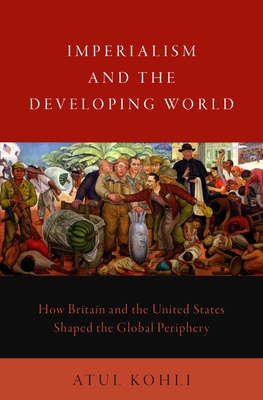
Imperialism and the Developing World : How Britain and the United States Shaped the Global Periphery
by
Atul Kohli
Book Details
Format
Hardback
ISBN-10
0190069627
ISBN-13
9780190069629
Publisher
Oxford University Press Inc
Imprint
Oxford University Press Inc
Country of Manufacture
US
Country of Publication
GB
Publication Date
Apr 9th, 2020
Print length
560 Pages
Weight
864 grams
Dimensions
16.80 x 24.30 x 4.70 cms
KSh 7,550.00
Currently unavailable
0 in stock
Delivery Location
Delivery fee: Select location
Secure
Quality
Fast
How did Western imperialism shape the developing world? Atul Kohli tackles that question by analyzing British and American influence on Asia, Africa, the Middle East and Latin America from the age of the British East India Company to the most recent U.S. war in Iraq. He argues that both Britain and the U.S. expanded to enhance their national economic prosperity, and shows how Anglo-American expansionism hurt the economic development in poor parts of the world.
How did Western imperialism shape the developing world? In Imperialism and the Developing World, Atul Kohli tackles this question by analyzing British and American influence on Asia, Africa, the Middle East, and Latin America from the age of the British East India Company to the most recent U.S. war in Iraq. He argues that both Britain and the U.S. expanded to enhance their national economic prosperity, and shows how Anglo-American expansionism hurt economic development in poor parts of the world. To clarify the causes and consequences of modern imperialism, Kohli first explains that there are two kinds of empires and analyzes the dynamics of both. Imperialism can refer to a formal, colonial empire such as Britain in the 19th century or an informal empire, wielding significant influence but not territorial control, such as the U.S. in the 20th century. Kohli contends that both have repeatedly undermined the prospects of steady economic progress in the global periphery, though to different degrees. Time and again, the pursuit of their own national economic prosperity led Britain and the U.S. to expand into peripheral areas of the world. Limiting the sovereignty of other states-and poor and weak states on the periphery in particular-was the main method of imperialism. For the British and American empires, this tactic ensured that peripheral economies would stay open and accessible to Anglo-American economic interests. Loss of sovereignty, however, greatly hurt the life chances of people living in Asia, the Middle East, Africa, and Latin America. As Kohli lays bare, sovereignty is an economic asset; it is a precondition for the emergence of states that can foster prosperous and inclusive industrial societies.
Get Imperialism and the Developing World by Atul Kohli at the best price and quality guaranteed only at Werezi Africa's largest book ecommerce store. The book was published by Oxford University Press Inc and it has 560 pages.
Customers Who Bought This Also Bought

Age of Revolutions
KSh 2,350.00

Eichmann in Jerusalem
KSh 2,350.00

Trouble With Being Born
KSh 2,000.00

Hiroshima
KSh 2,000.00

Freedom
KSh 6,300.00

Holocaust
KSh 2,700.00
The History of the Peloponnesian War
KSh 2,700.00

Annals
KSh 2,350.00

Greek Lives
KSh 2,150.00

Sleepwalkers
KSh 3,400.00

Napoleon The Great
KSh 3,600.00

Diary of a Young Girl
KSh 1,800.00
More by Atul Kohli

Politics
KSh 1,800.00
Poverty Amid Plenty in the New India
KSh 4,500.00

Democracy and Inequality in India
KSh 5,400.00

Greed and Guns
KSh 3,250.00
Democracy and Discontent
KSh 16,550.00
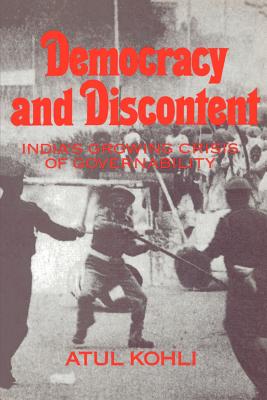
Democracy and Discontent
KSh 6,650.00

State-Directed Development
KSh 18,700.00
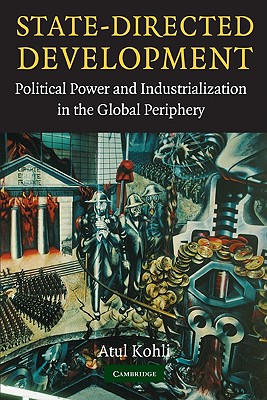
State-Directed Development
KSh 6,700.00

Democracy and Inequality in India
KSh 16,200.00
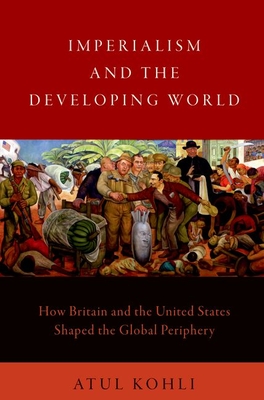
Imperialism and the Developing World
KSh 5,800.00
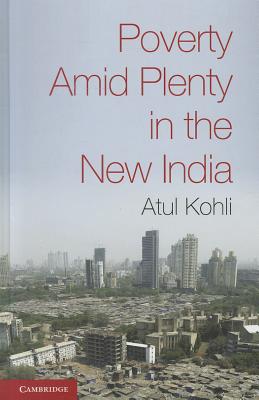
Poverty amid Plenty in the New India
KSh 14,750.00
