
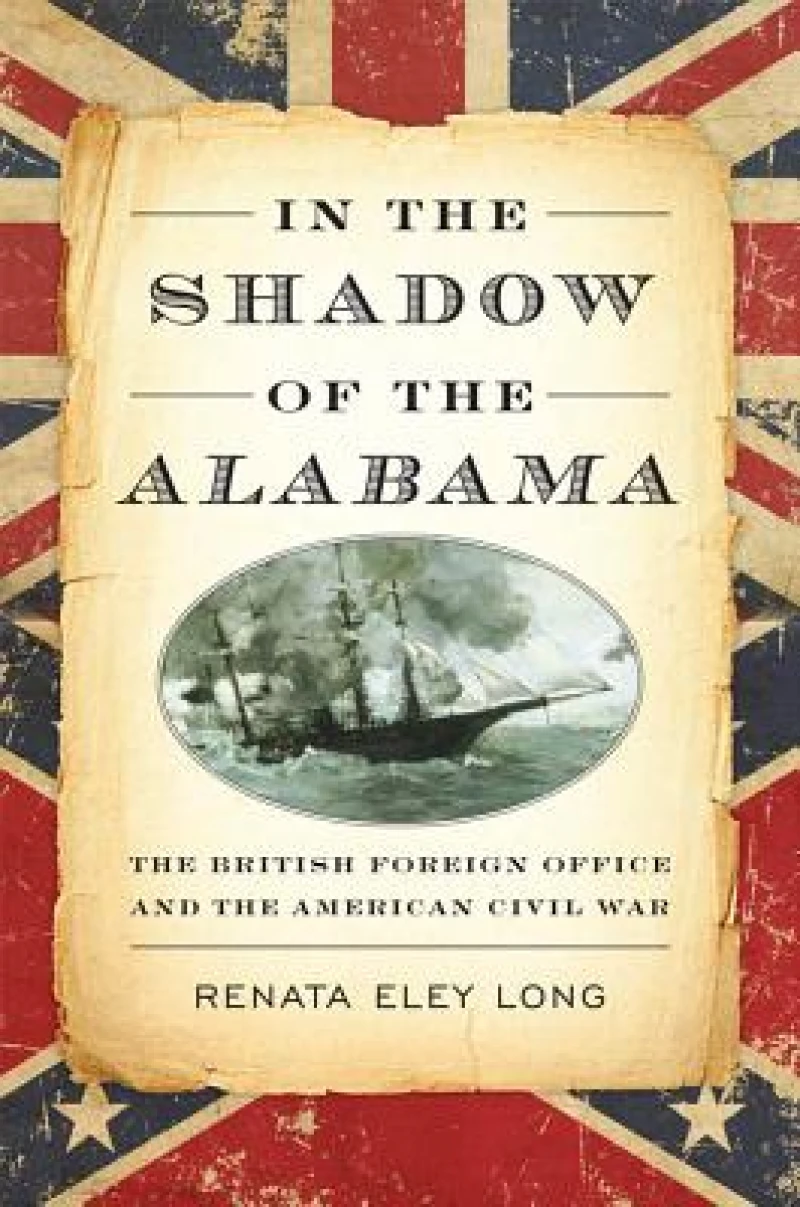
In the Shadow of the Alabama : The British Foreign Office and the American Civil War
Book Details
Format
Hardback or Cased Book
ISBN-10
1612518362
ISBN-13
9781612518367
Publisher
Naval Institute Press
Imprint
Naval Institute Press
Country of Manufacture
US
Country of Publication
GB
Publication Date
Jul 30th, 2015
Print length
280 Pages
Weight
280 grams
Product Classification:
History of the AmericasModern history to 20th century: c 1700 to c 1900American Civil War
Ksh 5,400.00
Re-Printing
0 in stock
Delivery Location
Delivery fee: Select location
Secure
Quality
Fast
This book looks at an allegation of betrayal made against a young Foreign Office clerk, Victor Buckley, who, it was claimed, leaked privileged information to agents of the southern States during the American Civil War. As a consequence, the CSS Alabama narrowly escaped seizure by the British government and proceeded to wage war on American shipping. Victor Buckley’s background is examined against the hitherto erroneous belief that he was an insignificant member of the foreign office staff. The American minister Charles Francis Adams oversees a network of spies endeavouring to prove contravention of The Foreign Enlistment Act. The South’s agents, Captain James D. Bulloch and Major Caleb Huse, are the prime targets, and a battle of wits ensues as Bulloch oversees construction of his ships on Merseyside. A member of a prominent city family offers to enlist the help of a relative who, he claims, holds a confidential position in the Foreign Office. The Confederate agents are soon receiving information about the status of Anglo-American diplomacy and are able to outwit the Union spies and dispatch arms and supplies to the South. Their coup d'état is achieved with the arrival of a message that hurries the Confederate’s most formidable warship out of British waters. After the escape of the Alabama, the government moves to curtail Bulloch’s operations. When the war ends in 1865, investigations begin into the circumstances surrounding the Alabama’s departure. As America demands reparation, evidence apparently incriminating Victor Buckley is acquired, but before the claim reaches its hearing in Geneva, diplomatic moves (some involving Anglo-American Masonic influence) result in a treaty and ensure that no allegation is made against any individual member of foreign office staff. Queen Victoria, anxious to see the Alabama claims settled, is spared embarrassment. A scandal erupts in the foreign office in 1878 as a freelance clerk, Charles Marvin, leaks sensitive information to the press and subsequently writes of his experiences, revealing much of the ethos of the office pertinent to Buckley’s story. The writer Arthur Conan Doyle becomes fascinated by Anglo-American diplomacy and the Alabama question, and, soon after joining a London gentlemen’s club where Buckley’s alleged contact is a member, writes a Sherlock Holmes story involving a Foreign Office clerk’s apparent betrayal. Coincidentally, Conan Doyle has been acquainted with Buckley’s associate some years earlier, and he soon makes a thinly veiled appearance in a fictional work by England’s most famous crime writer.
This book looks at an allegation of betrayal made against a young Foreign Office clerk, Victor Buckley, who, it was claimed, leaked privileged information to agents of the southern States during the American Civil War. As a consequence, the CSS Alabama narrowly escaped seizure by the British government and proceeded to wage war on American shipping. Victor Buckley''s background is examined against the hitherto erroneous belief that he was an insignificant member of the foreign office staff. The American minister Charles Francis Adams oversees a network of spies endeavoring to prove contravention of The Foreign Enlistment Act. The South''s agents, Captain James D. Bulloch and Major Caleb Huse, are the prime targets, and a battle of wits ensues as Bulloch oversees construction of his ships on Merseyside. A member of a prominent City family offers to enlist the help of a relative who, he claims, holds a confidential position in the Foreign Office. The Confederate agents are soon receiving information about the status of Anglo-American diplomacy and are able to outwit the Union spies and dispatch arms and supplies to the South. Their coup d''état is achieved with the arrival of a message that hurries the Confederate''s most formidable warship out of British waters. After the escape of the Alabama, the government moves to curtail Bulloch''s operations. When the war ends in 1865, investigations begin into the circumstances surrounding the Alabama''s departure. As America demands reparation, evidence apparently incriminating Victor Buckley is acquired, but before the claim reaches its hearing in Geneva, diplomatic moves (some involving Anglo-American Masonic influence) result in a treaty and ensure that no allegation is made against any individual member of foreign office staff. Queen Victoria, anxious to see the Alabama claims settled, is spared embarrassment. A scandal erupts in the foreign office in 1878 as a freelance clerk, Charles Marvin, leaks sensitive information to the press and subsequently writes of his experiences, revealing much of the ethos of the office pertinent to Buckley''s story. The writer Arthur Conan Doyle becomes fascinated by Anglo-American diplomacy and the Alabama question, and, soon after joining a London gentlemen''s club where Buckley''s alleged contact is a member, writes a Sherlock Holmes story involving a Foreign Office clerk''s apparent betrayal. Coincidentally, Conan Doyle has been acquainted with Buckley''s associate some years earlier, and he soon makes a thinly veiled appearance in a fictional work by England''s most famous crime writer.
Get In the Shadow of the Alabama by at the best price and quality guaranteed only at Werezi Africa's largest book ecommerce store. The book was published by Naval Institute Press and it has pages.

