Income Statement Semantic Models : Building Enterprise-Grade Income Statement Models with Power BI
by
Chris Barber
Book Details
Format
Paperback / softback
ISBN-10
886880329Y
ISBN-13
9798868803291
Publisher
APress
Imprint
APress
Country of Manufacture
GB
Country of Publication
GB
Publication Date
Aug 29th, 2024
Print length
433 Pages
KSh 8,100.00
Currently unavailable
0 in stock
Delivery Location
Delivery fee: Select location
Secure
Quality
Fast
This comprehensive guide will teach you how to build an income statement semantic model, also known as the profit and loss (P&L) statement. Author Chris Barber— a business intelligence (BI) consultant, Microsoft MVP, and chartered accountant (ACMA, CGMA)—helps you master everything from designing conceptual models to building semantic models based on these designs. You will learn how to build a re-usable solution based on the trial balance and how to expand upon this to build enterprise-grade solutions. If you want to leverage the Microsoft BI platform to understand profit within your organization, this is the resource you need. What You Will LearnModeling and the income statement: Learn what modelling the income statement entails, why it is important, and how income statements are constructedCalculating account balances: Learn how to optimally calculate account balances using a Star SchemaProducing external income statement semantic models: Learn how to produce external income statement semantic models as they enable income statements to be analyzed from a range of perspectives and can be explored to reveal the underlying accounts and journal entriesProducing internal income statement semantic models: Learn how to create multiple income statement layouts and further contextualize financial information by including percentages and non-financial information, and learn about the various security and self-service considerations Who This Book Is ForTechnical users (solution architects, Microsoft Fabric developers, Power BI developers) who require a comprehensive methodology for income statement semantic models because of the modeling complexities and knowledge needed of the accounting process; and finance (management accountants) who have hit the limits of Excel and have started using Power BI, but are unsure how income statement semantic models are built
Get Income Statement Semantic Models by Chris Barber at the best price and quality guaranteed only at Werezi Africa's largest book ecommerce store. The book was published by APress and it has 433 pages.
Customers Who Bought This Also Bought
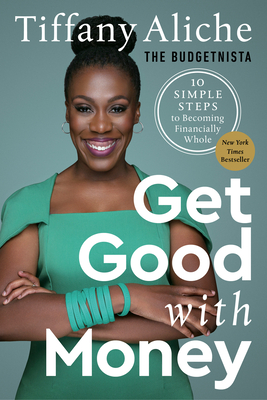
Get Good with Money
KSh 4,500.00

The MBO Guide for Management Teams
KSh 14,400.00

Clarity
KSh 12,650.00

Financial Wellness in the Workplace
KSh 15,300.00
Business and the Euro
KSh 16,200.00
Effective Financial Management
KSh 3,400.00

Start Thinking Rich – Harsh Truths to Take You from Broke to Your Best Financial Life
KSh 4,300.00

How to Fund the Life You Want
KSh 3,050.00

New Luxury Management
KSh 25,200.00

Die Ausschuettungspolitik europaeischer Unternehmen
KSh 10,950.00

Return Patterns of German Open-End Real Estate Funds
KSh 6,600.00

Cash Stash Activity Book: Tight Budgets
KSh 1,450.00