
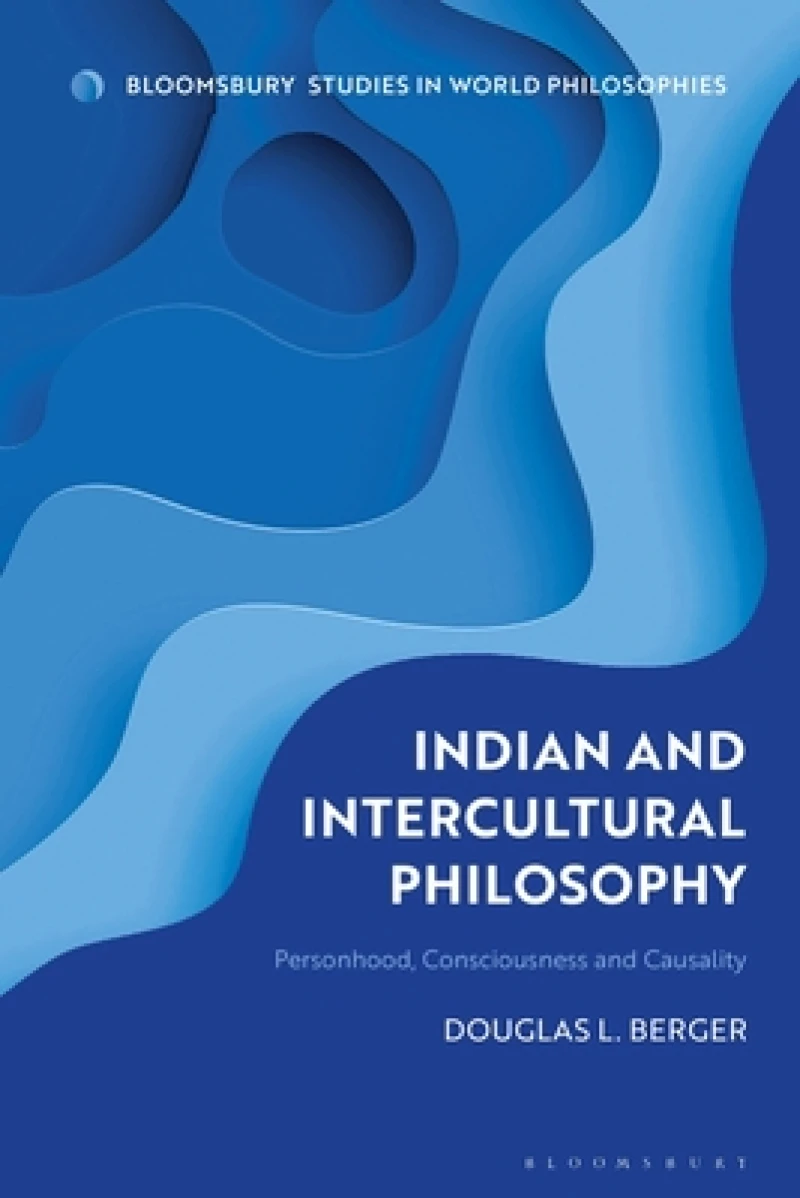
Indian and Intercultural Philosophy : Personhood, Consciousness, and Causality
Book Details
Format
Paperback / Softback
Book Series
Bloomsbury Studies in World Philosophies
ISBN-10
1350253995
ISBN-13
9781350253995
Publisher
Bloomsbury Publishing PLC
Imprint
Bloomsbury Academic
Country of Manufacture
GB
Country of Publication
GB
Publication Date
Feb 23rd, 2023
Print length
240 Pages
Weight
374 grams
Dimensions
15.50 x 23.40 x 1.60 cms
Product Classification:
Oriental & Indian philosophyBuddhismHinduism
Ksh 6,150.00
Manufactured on Demand
0 in stock
Delivery Location
Delivery fee: Select location
Secure
Quality
Fast
For over twenty years Douglas Berger has advanced research and reflection on Indian philosophical traditions from both classical and cross-cultural perspectives. This volume reveals the extent of his contribution by bringing together his perspectives on these classical Indian philosophies and placing them in conversation with Confucian, Chinese Buddhist and medieval Indian Sufi traditions. Delving into debates between Nyaya and Buddhist philosophers on consciousness and identity, the nature of Sankara’s theory of the self, the precise character of Nagarjuna’s idea of emptiness, and the relationship between awareness and embodiment in the broad spectrum of Indian thought, chapters exhibit Berger’s unusually broad range of expertise. They connect Chinese Confucian and Buddhist texts with classical Indian theories of ethics and consciousness, contrast the ideas of seminal European thinkers like Nietzsche and Derrida from prevailing themes in Buddhism, and shed light on the spiritual and political dimensions of the Mughal prince Dara Shukoh’s immersion into Vedantic thought. Always approaching the arguments from an intercultural perspective, Berger shows how much relevance and resonance classical Indian thought has with ancient Confucian views of ethics, Chinese Buddhist depictions of consciousness and medieval Mughal conceptions of divinity. The result is a volume celebrating the rigor, vitality and intercultural resonance of India’s rich philosophical heritage.
For over twenty years Douglas Berger has advanced research and reflection on Indian philosophical traditions from both classical and cross-cultural perspectives. This volume reveals the extent of his contribution by bringing together his perspectives on these classical Indian philosophies and placing them in conversation with Confucian, Chinese Buddhist and medieval Indian Sufi traditions. Delving into debates between Nyaya and Buddhist philosophers on consciousness and identity, the nature of Sankara’s theory of the self, the precise character of Nagarjuna’s idea of emptiness, and the relationship between awareness and embodiment in the broad spectrum of Indian thought, chapters exhibit Berger’s unusually broad range of expertise. They connect Chinese Confucian and Buddhist texts with classical Indian theories of ethics and consciousness, contrast the ideas of seminal European thinkers like Nietzsche and Derrida from prevailing themes in Buddhism, and shed light on the spiritual and political dimensions of the Mughal prince Dara Shukoh’s immersion into Vedantic thought. Always approaching the arguments from an intercultural perspective, Berger shows how much relevance and resonance classical Indian thought has with ancient Confucian views of ethics, Chinese Buddhist depictions of consciousness and medieval Mughal conceptions of divinity. The result is a volume celebrating the rigor, vitality and intercultural resonance of India’s rich philosophical heritage.
Get Indian and Intercultural Philosophy by at the best price and quality guaranteed only at Werezi Africa's largest book ecommerce store. The book was published by Bloomsbury Publishing PLC and it has pages.

