
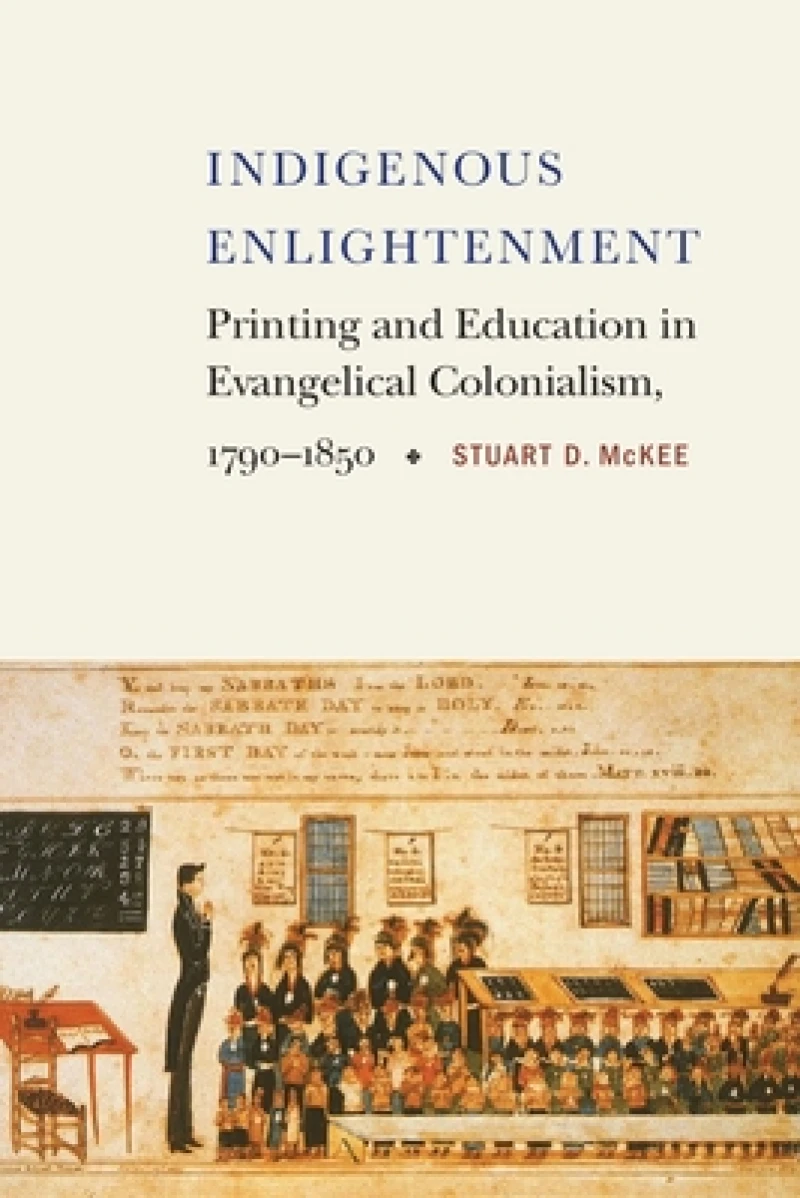
Indigenous Enlightenment : Printing and Education in Evangelical Colonialism, 1790–1850
by
Stuart McKee
Book Details
Format
Hardback or Cased Book
ISBN-10
1496237307
ISBN-13
9781496237309
Publisher
University of Nebraska Press
Imprint
University of Nebraska Press
Country of Manufacture
GB
Country of Publication
GB
Publication Date
Dec 1st, 2023
Print length
586 Pages
Product Classification:
United States of America, USA19th century, c 1800 to c 1899Relating to Native American people / First AmericansHistory of the AmericasModern history to 20th century: c 1700 to c 1900Social & cultural historyEthnic groups and multicultural studiesIndigenous peoples / IndigeneityEthnic minorities & multicultural studiesIndigenous peoplesHistoryHistory of the AmericasSocial and cultural history
Ksh 11,500.00
Not Yet Published
0 in stock
Delivery Location
Delivery fee: Select location
Secure
Quality
Fast
Examines the methodologies, tools, and processes that British and American educators developed to inculcate Indigenous cultures of reading and learning between 1790 and 1850. This book illuminates the challenges that British and American educators faced while trying to coerce Indigenous children and adults to learn to read.
In Indigenous Enlightenment Stuart D. McKee examines the methodologies, tools, and processes that British and American educators developed to inculcate Indigenous cultures of reading. Protestant expatriates who opened schools within British and U.S. colonial territories between 1790 and 1850 shared the conviction that a beneficent government should promote the enlightenment of its colonial subjects. It was the aim of evangelical enlightenment to improve Indigenous peoples’ welfare through the processes of Christianization and civilization and to transform accepting individuals into virtuous citizens of the settler-colonial community. Many educators quickly discovered that their teaching efforts languished without the means to publish books in the Indigenous languages of their subject populations. While they could publish primers in English by shipping manuscripts to printers in London or Boston, books for Indigenous readers gained greater accuracy and influence when they stationed a printer within the colony.
With a global perspective traversing Western colonial territories in the U.S.-Mexico borderlands, the South Pacific, Madagascar, India, and China, Indigenous Enlightenment illuminates the challenges that British and American educators faced while trying to coerce Indigenous children and adults to learn to read. Indigenous laborers commonly supported the tasks of editing, printing, and dissemination and, in fact, dominated the workforce at most colonial presses from the time printing began. Yet even in places where schools and presses were in synchronous operation, missionaries found that Indigenous peoples had their own intellectual systems, and most did not learn best with Western methods.
With a global perspective traversing Western colonial territories in the U.S.-Mexico borderlands, the South Pacific, Madagascar, India, and China, Indigenous Enlightenment illuminates the challenges that British and American educators faced while trying to coerce Indigenous children and adults to learn to read. Indigenous laborers commonly supported the tasks of editing, printing, and dissemination and, in fact, dominated the workforce at most colonial presses from the time printing began. Yet even in places where schools and presses were in synchronous operation, missionaries found that Indigenous peoples had their own intellectual systems, and most did not learn best with Western methods.
Get Indigenous Enlightenment by at the best price and quality guaranteed only at Werezi Africa's largest book ecommerce store. The book was published by University of Nebraska Press and it has pages.

