

Indigenous Knowledge and Material Histories : The Example of Rubber
Book Details
Format
Hardback
Book Series
Elements in Environmental Humanities
ISBN-10
1009517082
ISBN-13
9781009517089
Publisher
Cambridge University Press
Imprint
Cambridge University Press
Country of Manufacture
GB
Country of Publication
GB
Publication Date
Jun 13th, 2024
Print length
76 Pages
Weight
233 grams
Dimensions
22.90 x 15.20 x 0.60 cms
Product Classification:
Literary theory
KSh 10,000.00
Currently unavailable
0 in stock
Delivery Location
Delivery fee: Select location
Secure
Quality
Fast
This Element deals with stories told about substances and ways to analyse them through an Environmental Humanitie's perspective. It then takes up rubber as an example and its many stories.
This Element deals with stories told about substances and ways to analyse them through an Environmental Humanitie''s perspective. It then takes up rubber as an example and its many stories. It is shown that the common notions of rubber history, which assume that rubber only became a useful material through a miraculous operation called vulcanization, that is attributed to the US-American Charles Goodyear, are false. In contrast, it is shown that rubber and many important rubber products are inventions of Indigenous peoples of South America, made durable by a process that can be called organic vulcanization. It is with that invention, that the story of rubber starts. Without it, rubber would not exist, neither in the Americas nor elsewhere. Finally, it is shown that Indigenous rubber products also offer some ecological advantages over industrially manufactured ones.
Get Indigenous Knowledge and Material Histories by Jens Soentgen at the best price and quality guaranteed only at Werezi Africa's largest book ecommerce store. The book was published by Cambridge University Press and it has 76 pages.
Customers Who Bought This Also Bought

How to Read & Why
KSh 2,350.00
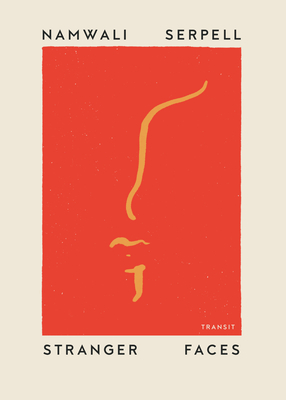
Stranger Faces
KSh 2,500.00
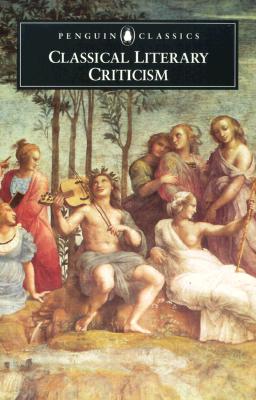
Classical Literary Criticism
KSh 2,350.00

Recognising the Stranger
KSh 1,800.00
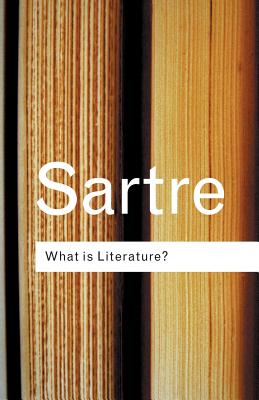
What is Literature?
KSh 3,250.00

Beginnings
KSh 3,050.00

Create Dangerously
KSh 700.00

An Analysis of Immanuel Kant''s Critique of Pure Reason
KSh 1,200.00

Chaucer's Pardoner and Gender Theory
KSh 8,100.00
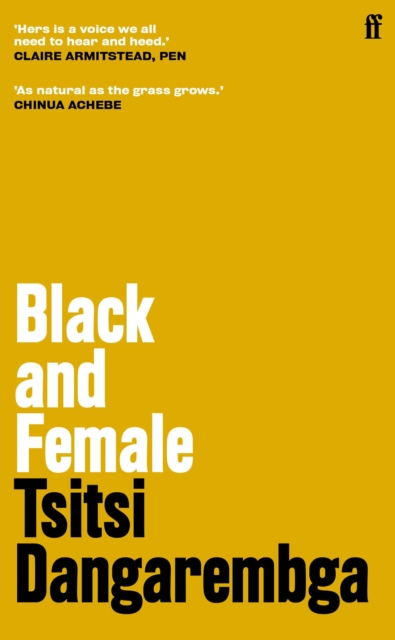
Black and Female
KSh 2,350.00

Difference and Repetition
KSh 4,500.00
The Social Construction of What?
KSh 5,200.00