
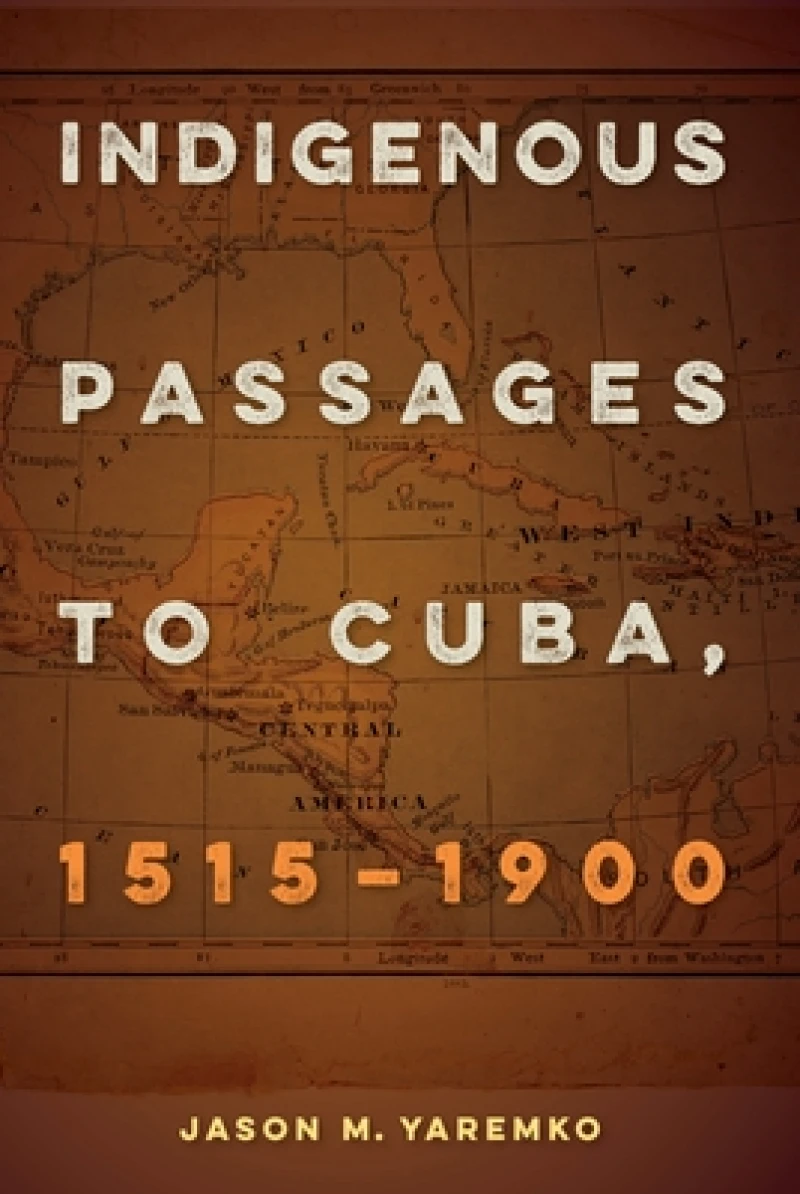
Indigenous Passages to Cuba, 1515-1900
Book Details
Format
Paperback / Softback
ISBN-10
0813068436
ISBN-13
9780813068435
Publisher
University Press of Florida
Imprint
University Press of Florida
Country of Manufacture
US
Country of Publication
GB
Publication Date
Nov 10th, 2020
Print length
256 Pages
Weight
370 grams
Dimensions
22.90 x 15.20 x 1.30 cms
Product Classification:
History of the AmericasHistory of the Americas
Ksh 5,200.00
Temporarily out of stock, due soon
0 in stock
Delivery Location
Delivery fee: Select location
Secure
Quality
Fast
In this first comprehensive history of the Amerindian diaspora in Cuba, Jason Yaremko presents the dynamics of indigenous movements and migrations from several regions of North America from the sixteenth through nineteenth centuries.
“Portrays the vitality and dynamism of indigenous actors in what is arguably one of the most foundational and central zones in the making of modern world history: the Caribbean.”—Maximilian C. Forte, author of Ruins of Absence, Presence of Caribs
“Brings together historical analysis and the compelling stories of individuals and families that labored in the island economies of the Caribbean.”—Cynthia Radding, coeditor of Borderlands in World History, 1700–1914
During the colonial period, thousands of North American native peoples traveled to Cuba independently as traders, diplomats, missionary candidates, immigrants, or refugees; others were forcibly transported as captives, slaves, indentured laborers, or prisoners of war. Over the half millennium after Spanish contact, Cuba also served as the principal destination and residence of peoples as diverse as the Yucatec Mayas of Mexico; the Calusa, Timucua, Creek, and Seminole peoples of Florida; and the Apache and Puebloan cultures of the northern provinces of New Spain. Many settled in pueblos or villages in Cuba that endured and evolved into the nineteenth century as urban centers, later populated by indigenous and immigrant Amerindian descendants and even their mestizo, or mixed-blood, progeny.
In this first comprehensive history of the Amerindian diaspora in Cuba, Jason Yaremko presents the dynamics of indigenous movements and migrations from several regions of North America from the sixteenth through nineteenth centuries. In addition to detailing the various motives influencing aboriginal migratory processes, Yaremko uses these case studies to argue that Amerindians—whether voluntary or involuntary migrants—become diasporic through common experiences of dispossession, displacement, and alienation within Cuban colonial society. Yet, far from being merely passive victims acted upon, he argues that indigenous peoples were cognizant agents still capable of exercising power and influence to act in the interests of their communities. His narrative of their multifaceted and dynamic experiences of survival, adaptation, resistance, and negotiation within Cuban colonial society adds deeply to the history of transculturation in Cuba, and to our understanding of indigenous peoples, migration, and diaspora in the wider Caribbean world.
“Brings together historical analysis and the compelling stories of individuals and families that labored in the island economies of the Caribbean.”—Cynthia Radding, coeditor of Borderlands in World History, 1700–1914
During the colonial period, thousands of North American native peoples traveled to Cuba independently as traders, diplomats, missionary candidates, immigrants, or refugees; others were forcibly transported as captives, slaves, indentured laborers, or prisoners of war. Over the half millennium after Spanish contact, Cuba also served as the principal destination and residence of peoples as diverse as the Yucatec Mayas of Mexico; the Calusa, Timucua, Creek, and Seminole peoples of Florida; and the Apache and Puebloan cultures of the northern provinces of New Spain. Many settled in pueblos or villages in Cuba that endured and evolved into the nineteenth century as urban centers, later populated by indigenous and immigrant Amerindian descendants and even their mestizo, or mixed-blood, progeny.
In this first comprehensive history of the Amerindian diaspora in Cuba, Jason Yaremko presents the dynamics of indigenous movements and migrations from several regions of North America from the sixteenth through nineteenth centuries. In addition to detailing the various motives influencing aboriginal migratory processes, Yaremko uses these case studies to argue that Amerindians—whether voluntary or involuntary migrants—become diasporic through common experiences of dispossession, displacement, and alienation within Cuban colonial society. Yet, far from being merely passive victims acted upon, he argues that indigenous peoples were cognizant agents still capable of exercising power and influence to act in the interests of their communities. His narrative of their multifaceted and dynamic experiences of survival, adaptation, resistance, and negotiation within Cuban colonial society adds deeply to the history of transculturation in Cuba, and to our understanding of indigenous peoples, migration, and diaspora in the wider Caribbean world.
Get Indigenous Passages to Cuba, 1515-1900 by at the best price and quality guaranteed only at Werezi Africa's largest book ecommerce store. The book was published by University Press of Florida and it has pages.

