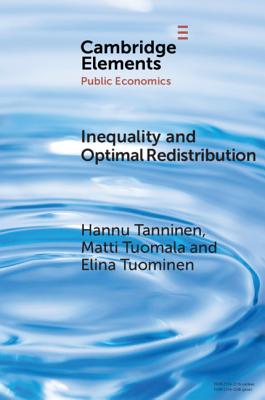
Inequality and Optimal Redistribution
Book Details
Format
Paperback / softback
Book Series
Elements in Public Economics
ISBN-10
1108469116
ISBN-13
9781108469111
Publisher
Cambridge University Press
Imprint
Cambridge University Press
Country of Manufacture
GB
Country of Publication
GB
Publication Date
Apr 11th, 2019
Print length
100 Pages
Weight
200 grams
Dimensions
23.00 x 15.30 x 0.70 cms
KSh 3,300.00
Currently unavailable
0 in stock
Delivery Location
Delivery fee: Select location
Secure
Quality
Fast
Surveys some of the earlier results in linear and nonlinear taxation and produces some new numerical results. Examines empirically the relationship between the extent of redistribution and the components of the Mirrlees framework. Analyses the redistributive role of a range of factors in the Mirrlees framework.
From the 1980s onward, income inequality increased in many advanced countries. It is very difficult to account for the rise in income inequality using the standard labour supply/demand explanation. Fiscal redistribution has become less effective in compensating increasing inequalities since the 1990s. Some of the basic features of redistribution can be explained through the optimal tax framework developed by J. A. Mirrlees in 1971. This Element surveys some of the earlier results in linear and nonlinear taxation and produces some new numerical results. Given the key role of capital income in the overall income inequality, it also considers the optimal taxation of capital income. It examines empirically the relationship between the extent of redistribution and the components of the Mirrlees framework. The redistributive role of factors such as publicly provided private goods, public employment, endogenous wages in the overlapping generations model and income uncertainty are analysed.
Get Inequality and Optimal Redistribution by Elina Tuominen, Hannu Tanninen at the best price and quality guaranteed only at Werezi Africa's largest book ecommerce store. The book was published by Cambridge University Press and it has 100 pages.
Customers Who Bought This Also Bought
Economics Book
KSh 4,250.00
Basic Economics
KSh 6,850.00
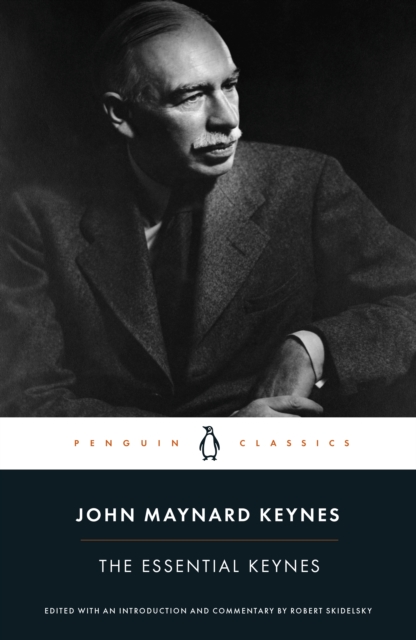
The Essential Keynes
KSh 2,350.00
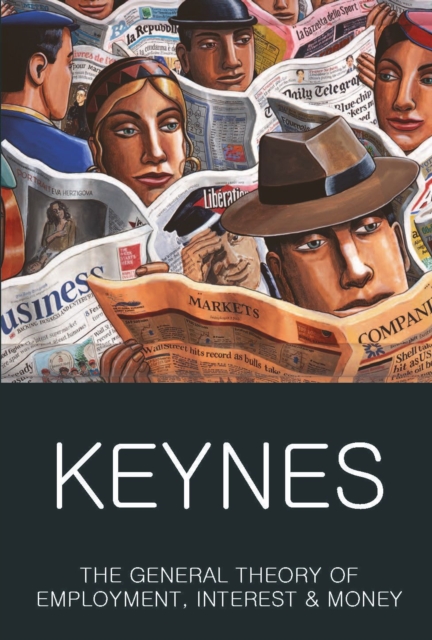
General Theory of Employment, Interest and Money
KSh 1,400.00
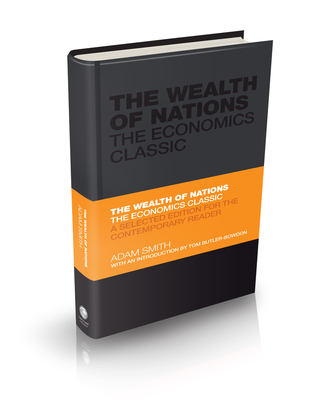
The Wealth of Nations – The Economics Classic – A Selected Edition for the Contemporary Reader
KSh 2,350.00

Wealth of Nations
KSh 1,800.00
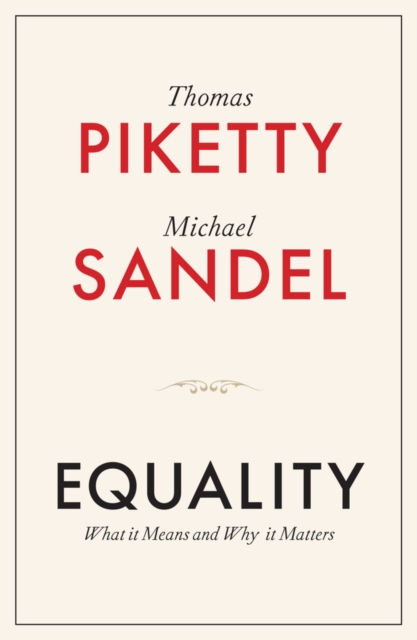
Equality
KSh 2,150.00
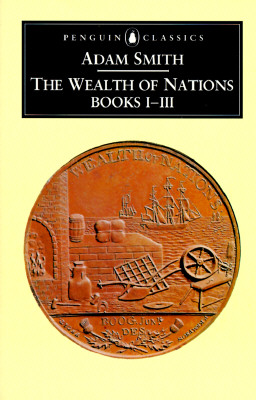
The Wealth of Nations
KSh 2,350.00
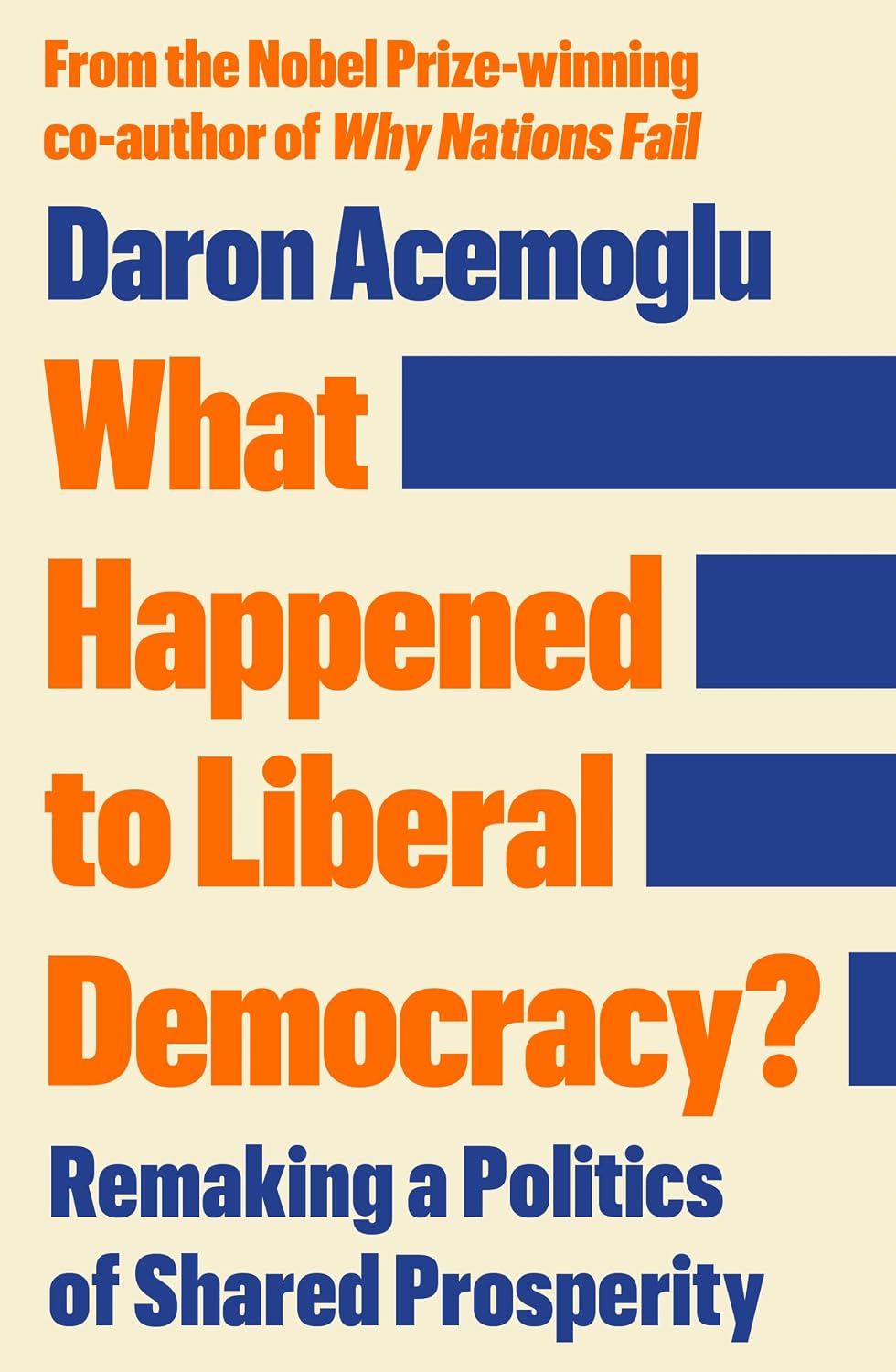
What Happened to Liberal Democracy?
KSh 3,050.00

Good Economics for Hard Times
KSh 2,350.00
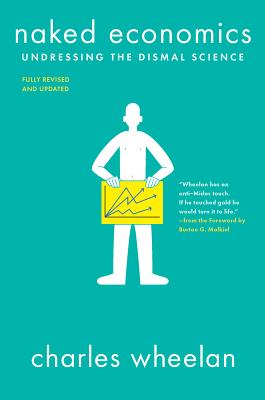
Naked Economics – Undressing the Dismal Science
KSh 2,550.00
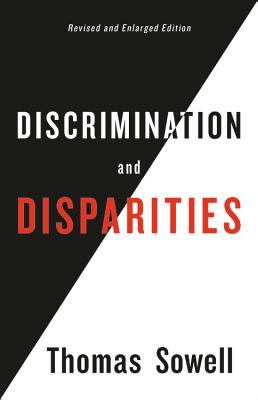
Discrimination and Disparities
KSh 5,400.00