
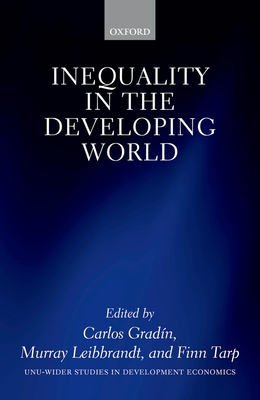
Inequality in the Developing World
Book Details
Format
Hardback
Book Series
WIDER Studies in Development Economics
ISBN-10
0198863969
ISBN-13
9780198863960
Publisher
Oxford University Press
Imprint
Oxford University Press
Country of Manufacture
GB
Country of Publication
GB
Publication Date
Mar 11th, 2021
Print length
374 Pages
Weight
730 grams
Dimensions
24.10 x 16.30 x 3.00 cms
KSh 26,200.00
Currently unavailable
0 in stock
Delivery Location
Delivery fee: Select location
Secure
Quality
Fast
An analysis of the elevated level of contemporary global economic inequality--its measurement, trends over time and geography, and the policy challenges thrown up by them, with a focus on mainly five countries--Brazil, China, India, South Africa, and Mexico.
This is an open access title available under the terms of a CC BY-NC-SA 3.0 IGO licence. It is free to read at Oxford Scholarship Online and offered as a free PDF download from OUP and selected open access locations. Inequality has emerged as a key development challenge. It holds implications for economic growth and redistribution and translates into power asymmetries that can endanger human rights, create conflict, and embed social exclusion and chronic poverty. For these reasons, it underpins intense public and academic debates and has become a dominant policy concern within many countries and in all multilateral agencies. It is at the core of the 17 goals of the UN 2030 Agenda for Sustainable Development. This book contributes to this important discussion by presenting assessments of the measurement and analysis of global inequality by leading inequality scholars, aligning these to comprehensive reviews of inequality trends in five of the world''s largest developing countries--Brazil, China, India, Mexico, and South Africa. Each is a persistently high or newly high inequality context and, with the changing global inequality situation as context, country chapters investigate the main factors shaping their different inequality dynamics. Particular attention is paid to how broader societal inequalities arising outside of the labour market have intersected with the rapidly changing labour market milieus of the last few decades. Collectively, these chapters provide a nuanced discussion of key distributive phenomena such as the high concentration of income among the most affluent people, gender inequalities, and social mobility. Substantive tax and social benefit policies that each country implemented to mitigate these inequality dynamics are assessed in detail. The book takes lessons from these contexts back into the global analysis of inequality and social mobility and the policies needed to address inequality.
Get Inequality in the Developing World by Carlos Gradin at the best price and quality guaranteed only at Werezi Africa's largest book ecommerce store. The book was published by Oxford University Press and it has 374 pages.
Customers Who Bought This Also Bought

The Great Escape
KSh 2,900.00

Skin in the Game
KSh 2,350.00
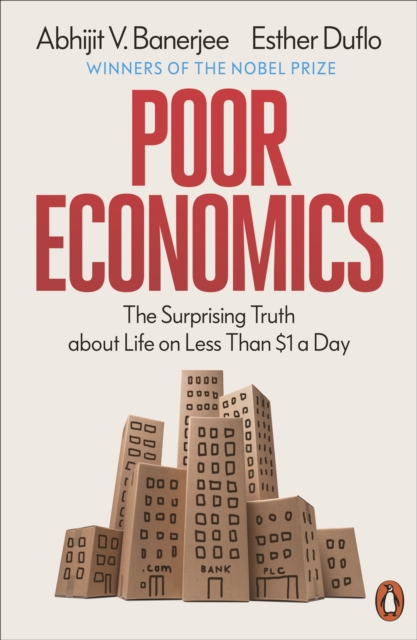
Poor Economics
KSh 2,350.00
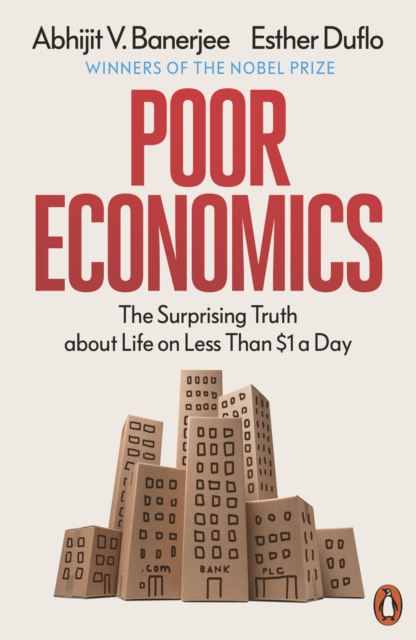
Poor Economics
KSh 2,000.00

Fragile by Design – The Political Origins of Banking Crises and Scarce Credit
KSh 4,500.00

The Power of Creative Destruction – Economic Upheaval and the Wealth of Nations
KSh 3,250.00

Same as Ever
KSh 3,050.00
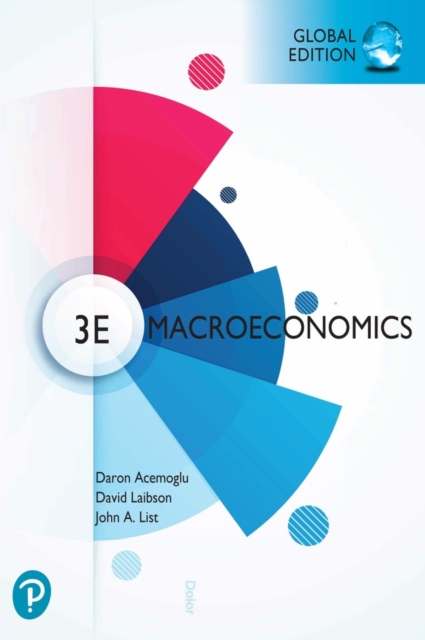
Macroeconomics, Global Edition
KSh 14,500.00

Vulture Capitalism
KSh 2,000.00

Charter Schools and Their Enemies
KSh 4,500.00

Risky Behavior among Youths – An Economic Analysis
KSh 18,000.00

The Great Escape – Health, Wealth, and the Origins of Inequality
KSh 3,300.00
