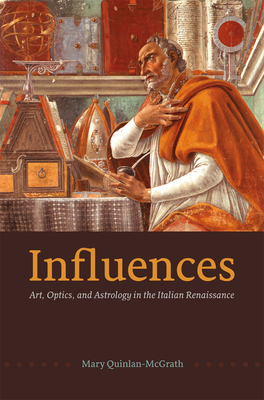
Influences : Art, Optics, and Astrology in the Italian Renaissance
Book Details
Format
Paperback / softback
ISBN-10
022642166X
ISBN-13
9780226421667
Publisher
The University of Chicago Press
Imprint
University of Chicago Press
Country of Manufacture
US
Country of Publication
GB
Publication Date
Sep 14th, 2016
Print length
304 Pages
Weight
462 grams
Dimensions
15.50 x 22.90 x 1.90 cms
Product Classification:
Renaissance artEuropean historyEarly history: c 500 to c 1450/1500History of science
KSh 4,650.00
Currently unavailable
0 in stock
Delivery Location
Delivery fee: Select location
Secure
Quality
Fast
Today few would think of astronomy and astrology as fields related to theology. Fewer still would know that physically absorbing planetary rays was once considered to have medical and psychological effects. But this was the understanding of light radiation held by certain natural philosophers of early modern Europe, and that, argues Mary Quinlan-McGrath, was why educated people of the Renaissance commissioned artworks centered on astrological themes and practices. Influences is the first book to reveal how important Renaissance artworks were designed to be not only beautiful but also perhaps even primarily functional. From the fresco cycles at Caprarola, to the Vatican's Sala dei Pontefici, to the Villa Farnesina, these great works were commissioned to selectively capture and then transmit celestial radiation, influencing the bodies and minds of their audiences. Quinlan-McGrath examines the sophisticated logic behind these theories and practices and, along the way, sheds light on early creation theory; the relationship between astrology and natural theology; and the protochemistry, physics, and mathematics of rays. An original and intellectually stimulating study, Influences adds a new dimension to the understanding of aesthetics among Renaissance patrons and a new meaning to the seductive powers of art.
Get Influences by Mary Quinlan-McGrath at the best price and quality guaranteed only at Werezi Africa's largest book ecommerce store. The book was published by The University of Chicago Press and it has 304 pages.
Customers Who Bought This Also Bought
Michelangelo
KSh 15,850.00

Michelangelo
KSh 5,950.00
Life, Letters, and Poetry
KSh 2,000.00
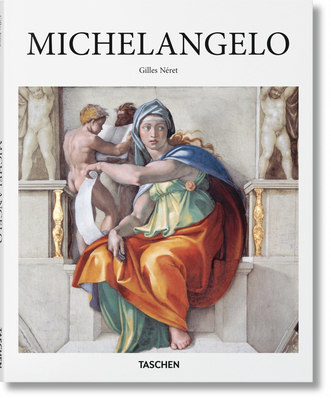
Michelangelo
KSh 3,250.00
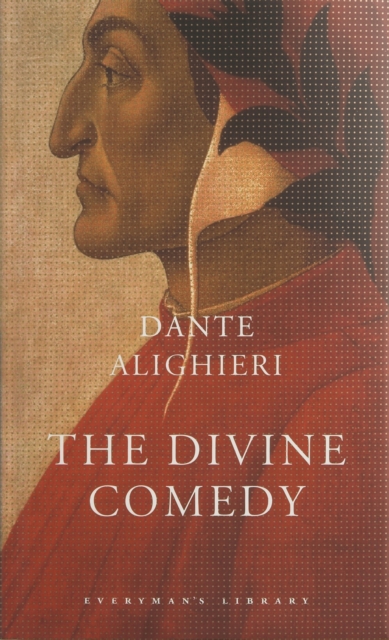
Divine Comedy
KSh 3,750.00

Perspectives
KSh 2,700.00
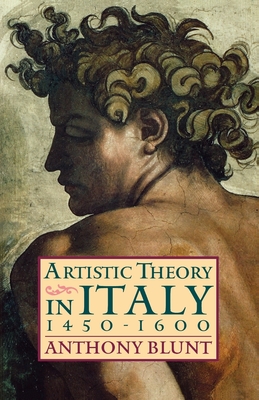
Artistic Theory in Italy 1450-1600
KSh 2,350.00
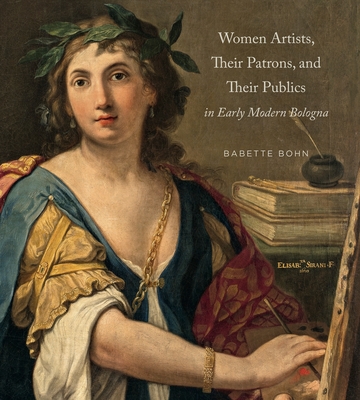
Women Artists, Their Patrons, and Their Publics in Early Modern Bologna
KSh 11,950.00

Sienese Painting
KSh 3,050.00

Michelangelo`s Dream
KSh 13,150.00
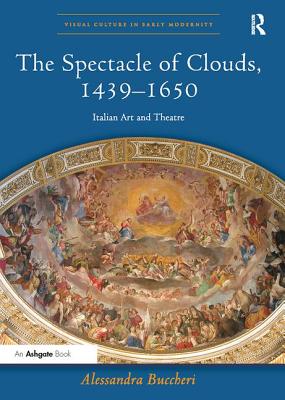
The Spectacle of Clouds 1439-1650
KSh 9,900.00
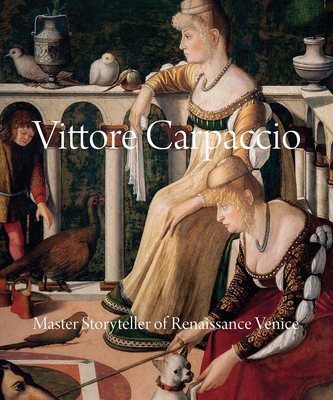
Vittore Carpaccio – Master Storyteller of Renaissance Venice
KSh 11,750.00