

Institutional Choice and Global Commerce
Book Details
Format
Paperback / softback
ISBN-10
1107645921
ISBN-13
9781107645929
Publisher
Cambridge University Press
Imprint
Cambridge University Press
Country of Manufacture
US
Country of Publication
GB
Publication Date
Aug 29th, 2013
Print length
265 Pages
Weight
436 grams
Dimensions
22.70 x 15.50 x 1.30 cms
Product Classification:
International economics
KSh 5,150.00
Currently unavailable
0 in stock
Delivery Location
Delivery fee: Select location
Secure
Quality
Fast
Why do institutions emerge, change, persist and die? This book addresses one of the central issues in the social sciences and beyond. Offering a new theoretical approach with illustrations from global commerce, it will appeal to students and scholars of international relations, politics, sociology, economics, law and public policy.
Why do institutions emerge, operate, evolve and persist? ''Institutional Choice and Global Commerce'' elaborates a theory of boundedly rational institutional choice that explains when states USE available institutions, SELECT among alternative forums, CHANGE existing rules, or CREATE new arrangements (USCC). The authors reveal the striking staying power of the institutional status quo and test their innovative theory against evidence on institutional choice in global commerce from the nineteenth through the twenty-first centuries. Cases range from the establishment in 1876 of the first truly international system of commercial dispute resolution, the Mixed Courts of Egypt, to the founding and operation of the General Agreement on Tariffs and Trade, the World Trade Organization, and the International Accounting Standards Board. Analysts of institutional choice henceforth must take seriously not only the distinct demands of specific cooperation dilemmas, but also the wide array of available institutional choices.
Get Institutional Choice and Global Commerce by Duncan Snidal, Joseph Jupille at the best price and quality guaranteed only at Werezi Africa's largest book ecommerce store. The book was published by Cambridge University Press and it has 265 pages.
Customers Who Bought This Also Bought

The White Man''s Burden
KSh 2,900.00

We Are Not Able to Live in the Sky
KSh 3,400.00
New Confessions of an Economic Hit Man
KSh 2,700.00

Good Economics for Hard Times
KSh 2,350.00

The Bottom Billion
KSh 2,500.00

How to Win a Trade War
KSh 3,050.00
World for Sale
KSh 2,150.00

Trade Wars Are Class Wars – How Rising Inequality Distorts the Global Economy and Threatens International Peace
KSh 2,600.00
Capital and Ideology
KSh 7,450.00
Doom Loop
KSh 4,150.00
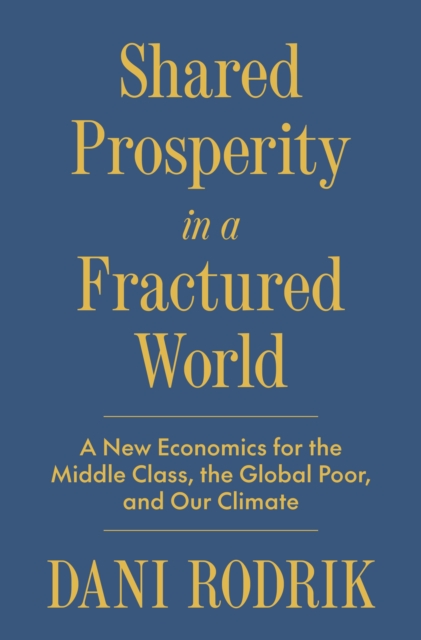
Shared Prosperity in a Fractured World
KSh 4,000.00
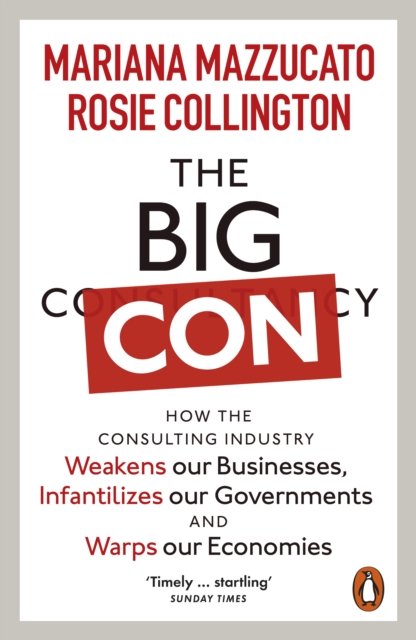
Big Con
KSh 2,350.00
More by Duncan Snidal, Joseph Jupille

Procedural Politics
KSh 16,200.00

The Logic of Regional Integration
KSh 17,100.00

Procedural Politics
KSh 6,300.00
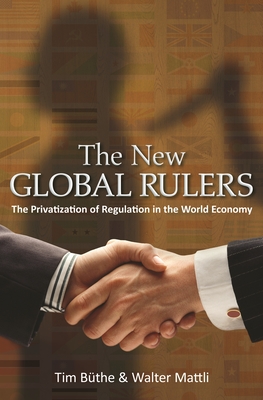
The New Global Rulers
KSh 7,200.00
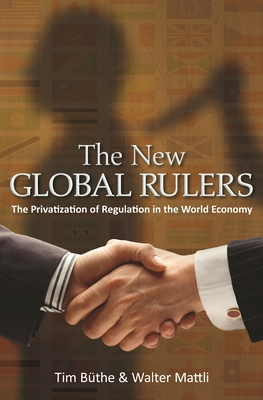
The New Global Rulers
KSh 5,400.00

The Logic of Regional Integration
KSh 6,150.00

Theories of Institutions
KSh 18,700.00

Darkness by Design – The Hidden Power in Global Capital Markets
KSh 3,250.00
