
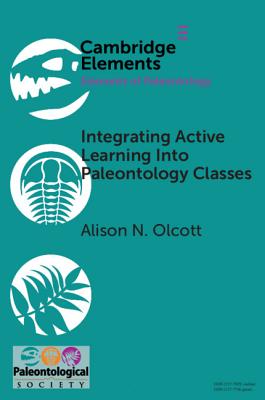
Integrating Active Learning into Paleontology Classes
Book Details
Format
Paperback / softback
Book Series
Elements of Paleontology
ISBN-10
1108717918
ISBN-13
9781108717915
Publisher
Cambridge University Press
Imprint
Cambridge University Press
Country of Manufacture
GB
Country of Publication
GB
Publication Date
Nov 15th, 2018
Print length
34 Pages
Weight
70 grams
Dimensions
23.00 x 15.30 x 0.30 cms
KSh 3,250.00
Currently unavailable
0 in stock
Delivery Location
Delivery fee: Select location
Secure
Quality
Fast
Active learning is a natural fit for paleontology, which can provide opportunities for examining fossils, analyzing data and writing. This Element introduces different types of active learning approaches and explains how these can be applied to large introductory paleontology classes for non-majors.
The educational benefits of replacing in-class lectures with hands-on activities are clear. Such active learning is a natural fit for paleontology, which can provide opportunities for examining fossils, analyzing data and writing. Additionally, there are a number of topics in the field that are exciting to geology majors and non-majors alike: very few can resist the lure of dinosaurs, huge meteor impacts, vicious Cretaceous sharks or a giant Pleistocene land mammal. However, it can seem difficult to introduce these techniques into a large general education class full of non-majors: paleontological specimens provide a natural starting point for hands-on classroom activities, but in a large class it is not always practical or possible to provide enough fossil material for all students. The Element introduces different types of active learning approaches, and then explains how they have been applied to a large introductory paleontology class for non-majors.
Get Integrating Active Learning into Paleontology Classes by Alison N. Olcott at the best price and quality guaranteed only at Werezi Africa's largest book ecommerce store. The book was published by Cambridge University Press and it has 34 pages.
Customers Who Bought This Also Bought

The Eights
KSh 1,800.00

Insiders, Outliers
KSh 3,950.00

Helping College Students Write
KSh 6,850.00

Eights
KSh 3,050.00
The Elements of Academic Style
KSh 3,600.00

The University Experience 1945-1975
KSh 6,100.00

Women at Cambridge
KSh 6,700.00

Campus Life
KSh 4,500.00
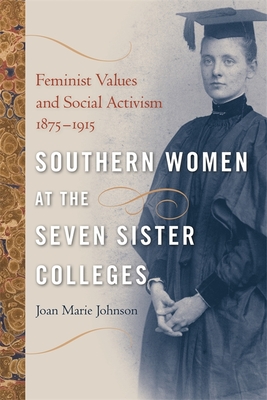
Southern Women at the Seven Sister Colleges – Feminist Values and Social Activism, 1875–1915
KSh 11,150.00
Slavery and the University – Histories and Legacies
KSh 19,850.00

Your Phd Companion 3rd Edition
KSh 2,600.00

BJU and Me
KSh 26,700.00