
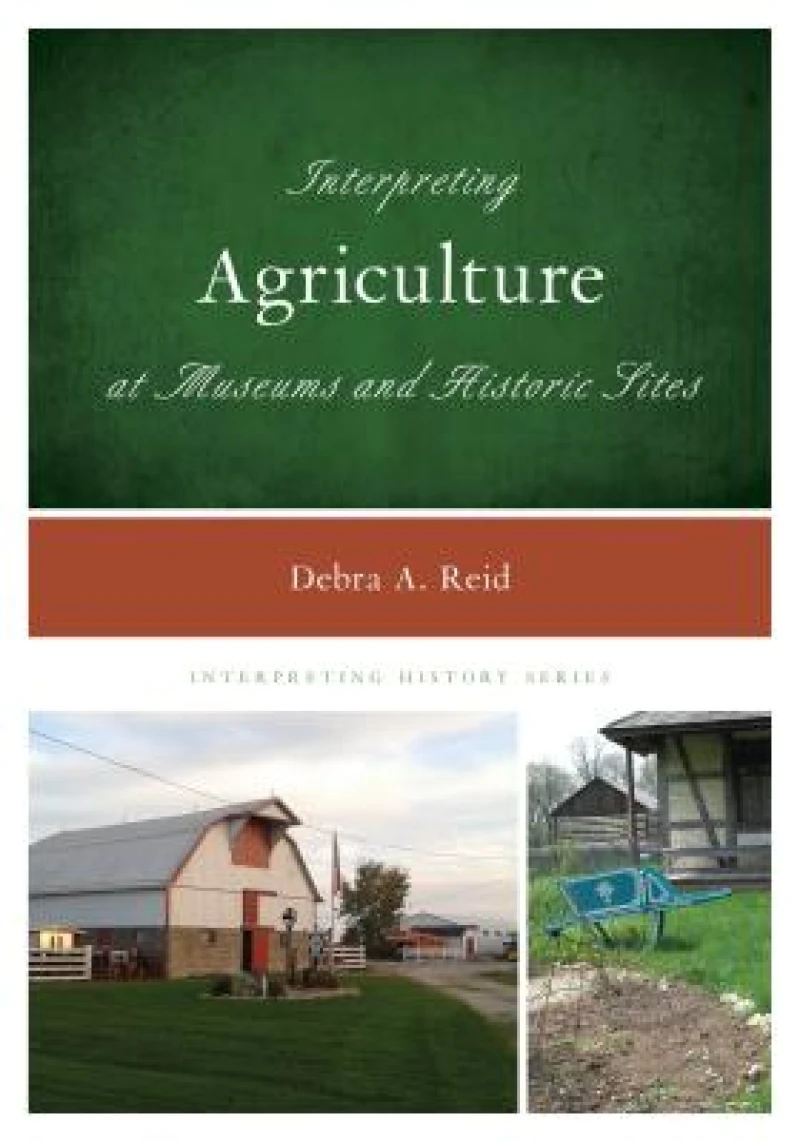
Interpreting Agriculture at Museums and Historic Sites
Book Details
Format
Paperback / Softback
Book Series
Interpreting History
ISBN-10
1442230118
ISBN-13
9781442230118
Publisher
Bloomsbury Publishing Plc
Imprint
Rowman & Littlefield Publishers
Country of Manufacture
US
Country of Publication
GB
Publication Date
Jan 23rd, 2017
Print length
284 Pages
Weight
550 grams
Dimensions
18.10 x 25.50 x 2.40 cms
Product Classification:
Museology & heritage studiesAgricultural science
Ksh 7,200.00
Manufactured on Demand
0 in stock
Delivery Location
Delivery fee: Select location
Secure
Quality
Fast
Interpreting Agriculture in Museums and Historic Sites orients readers to major themes in agriculture and techniques in education and interpretation that can help you develop humanities-based public programming that enhance agricultural literacy. Case studies illustrate the ways that local research can help you link your history organization to compelling local, national (even international) stories focused on the multidisciplinary topic. That ordinary plow, pitch fork, and butter paddle can provide the tangible evidence of the story worth telling, even if the farm land has disappeared into subdivisions and agriculture seems as remote as the nineteenth century. Other topics include discussion of alliances between rural tourism and community-supported agriculture, farmland conservation and stewardship, heritage breed and seed preservation efforts, and antique tractor clubs. Any of these can become indispensable partners to history organizations searching for a new interpretive theme to explore and new partners to engage.
Interpreting Agriculture in Museums and Historic Sites orients readers to major themes in agriculture and techniques in education and interpretation that can help you develop humanities-based public programming that enhance agricultural literacy. Case studies illustrate the ways that local research can help you link your history organization to compelling local, national (even international) stories focused on the multidisciplinary topic. That ordinary plow, pitch fork, and butter paddle can provide the tangible evidence of the story worth telling, even if the farm land has disappeared into subdivisions and agriculture seems as remote as the nineteenth century. Other topics include discussion of alliances between rural tourism and community-supported agriculture, farmland conservation and stewardship, heritage breed and seed preservation efforts, and antique tractor clubs. Any of these can become indispensable partners to history organizations searching for a new interpretive theme to explore and new partners to engage.
Get Interpreting Agriculture at Museums and Historic Sites by at the best price and quality guaranteed only at Werezi Africa's largest book ecommerce store. The book was published by Bloomsbury Publishing Plc and it has pages.

