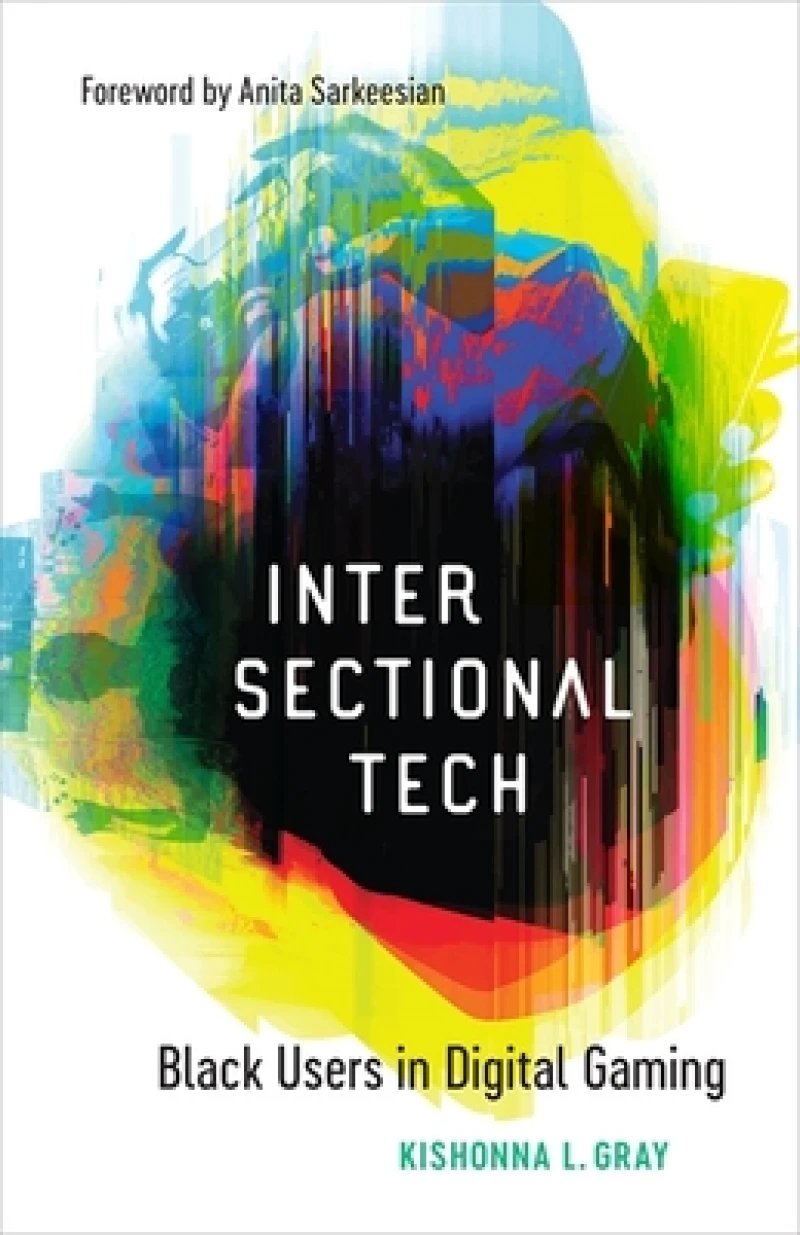
Intersectional Tech : Black Users in Digital Gaming
Book Details
Format
Hardback or Cased Book
ISBN-10
0807171220
ISBN-13
9780807171226
Publisher
Louisiana State University Press
Imprint
Louisiana State University Press
Country of Manufacture
US
Country of Publication
GB
Publication Date
Sep 2nd, 2020
Print length
222 Pages
Weight
416 grams
Dimensions
14.60 x 22.30 x 2.20 cms
Ksh 7,900.00
Werezi Extended Catalogue
0 in stock
Delivery Location
Delivery fee: Select location
Secure
Quality
Fast
Examines blackness in gaming at the intersections of race, gender, sexuality, and (dis)ability. Situating her argument within the context of Gamergate and the Black Lives Matter movement, Kishonna Gray highlights the inescapable chains that bind marginalized populations to stereotypical frames and limited narratives in video games.
In Intersectional Tech: Black Users in Digital Gaming, Kishonna L. Gray interrogates blackness in gaming at the intersections of race, gender, sexuality, and (dis)ability. Situating her argument within the context of the concurrent, seemingly unrelated events of Gamergate and the Black Lives Matter movement, Gray highlights the inescapable chains that bind marginalized populations to stereotypical frames and limited narratives in video games. Intersectional Tech explores the ways that the multiple identities of black gamers some obvious within the context of games, some more easily concealed affect their experiences of gaming.
The normalization of whiteness and masculinity in digital culture inevitably leads to isolation, exclusion, and punishment of marginalized people. Yet, Gray argues, we must also examine the individual struggles of prejudice, discrimination, and microaggressions within larger institutional practices that sustain the oppression. These ""new"" racisms and a complementary colorblind ideology are a kind of digital Jim Crow, a new mode of the same strategies of oppression that have targeted black communities throughout American history.
Drawing on extensive interviews that engage critically with identity development and justice issues in gaming, Gray explores the capacity for gaming culture to foster critical consciousness, aid in participatory democracy, and effect social change. Intersectional Tech is rooted in concrete situations of marginalized members within gaming culture. It reveals that despite the truths articulated by those who expose the sexism, racism, misogyny, and homophobia that are commonplace within gaming communities, hegemonic narratives continue to be privileged. This text, in contrast, centers the perspectives that are often ignored and provides a critical corrective to notions of gaming as a predominantly white and male space.
The normalization of whiteness and masculinity in digital culture inevitably leads to isolation, exclusion, and punishment of marginalized people. Yet, Gray argues, we must also examine the individual struggles of prejudice, discrimination, and microaggressions within larger institutional practices that sustain the oppression. These ""new"" racisms and a complementary colorblind ideology are a kind of digital Jim Crow, a new mode of the same strategies of oppression that have targeted black communities throughout American history.
Drawing on extensive interviews that engage critically with identity development and justice issues in gaming, Gray explores the capacity for gaming culture to foster critical consciousness, aid in participatory democracy, and effect social change. Intersectional Tech is rooted in concrete situations of marginalized members within gaming culture. It reveals that despite the truths articulated by those who expose the sexism, racism, misogyny, and homophobia that are commonplace within gaming communities, hegemonic narratives continue to be privileged. This text, in contrast, centers the perspectives that are often ignored and provides a critical corrective to notions of gaming as a predominantly white and male space.
Get Intersectional Tech by at the best price and quality guaranteed only at Werezi Africa's largest book ecommerce store. The book was published by Louisiana State University Press and it has pages.