
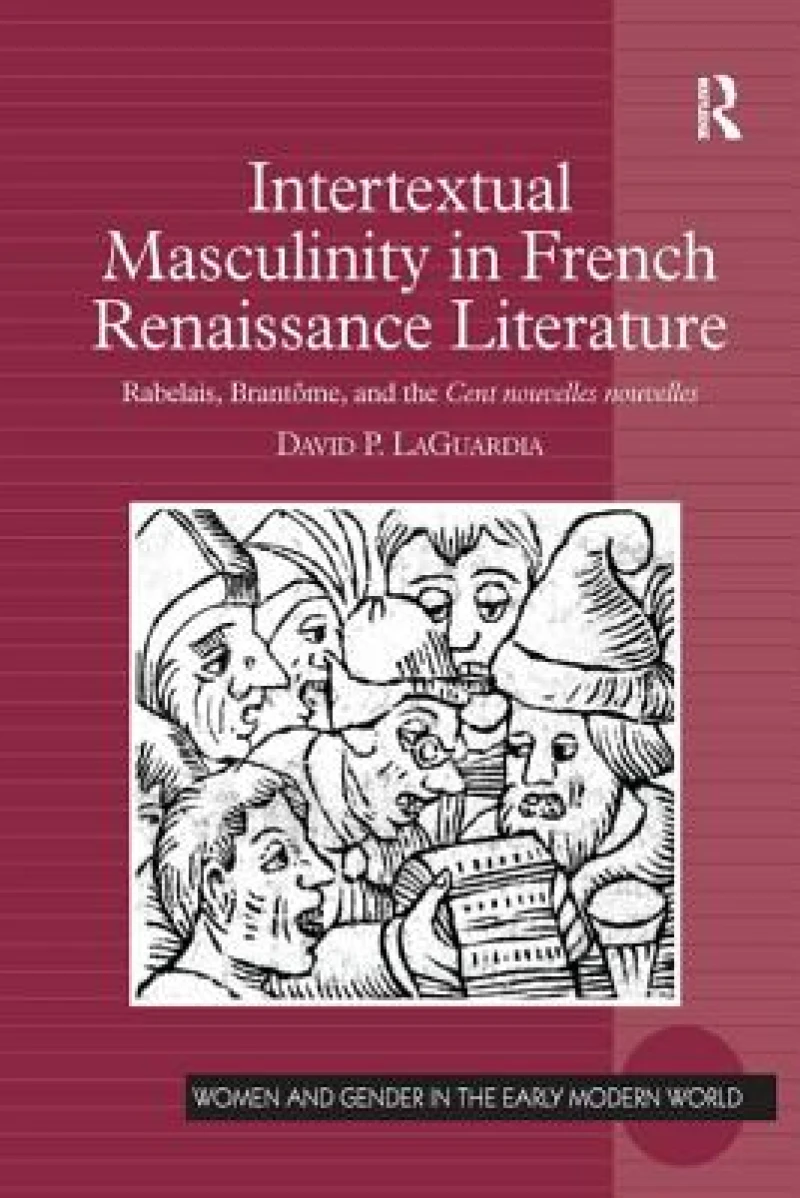
Intertextual Masculinity in French Renaissance Literature : Rabelais, Brantome, and the Cent nouvelles nouvelles
Book Details
Format
Paperback / Softback
Book Series
Women and Gender in the Early Modern World
ISBN-10
1138245496
ISBN-13
9781138245495
Publisher
Taylor & Francis Ltd
Imprint
Routledge
Country of Manufacture
GB
Country of Publication
GB
Publication Date
Oct 3rd, 2016
Print length
262 Pages
Weight
408 grams
Dimensions
15.60 x 23.50 x 2.20 cms
Product Classification:
Literary studies: c 1500 to c 1800
Ksh 10,600.00
Werezi Extended Catalogue
0 in stock
Delivery Location
Delivery fee: Select location
Secure
Quality
Fast
Intertextual Masculinity in French Renaissance Literature is an in-depth analysis of normative masculinity in a specific corpus from pre-modern Europe: narrative literature devoted to the subject of adultery and cuckoldry. Reading such historical documents as early modern legal texts, penance manuals, and criminal records in relation to the Cent nouvelles nouvelles and works by Rabelais and Brantôme, LaGuardia formulates a definition of masculinity in a specific historical context.
Intertextual Masculinity in French Renaissance Literature is an in-depth analysis of normative masculinity in a specific corpus from pre-modern Europe: narrative literature devoted to the subject of adultery and cuckoldry. The text begins with a set of general questions that serve as a conceptual framework for the literary analyses that follow: why were early modern readers so fascinated by the figure of the cuckold? What was his relation to the real world of sexual behavior and gender relations? What effect did he have on the construction of actual masculinities? To respond to these questions, David LaGuardia develops a theoretical approach that is based both on modern critical theory and on close readings of records and documents from the period. Reading early modern legal texts, penance manuals, criminal registers, and exempla collections in relation to the Cent nouvelles nouvelles, Rabelais''s Tiers Livre, and Brantôme''s Dames galantes, LaGuardia formulates a definition of masculinity in this historical context as a set of intertextual practices that men used to relay and to reinforce their gender identities. By examining legal and literary artifacts from this particular period and culture, this study highlights the extent to which this supposedly normative masculinity was historically contingent and materially conditioned by generic practices.
Get Intertextual Masculinity in French Renaissance Literature by at the best price and quality guaranteed only at Werezi Africa's largest book ecommerce store. The book was published by Taylor & Francis Ltd and it has pages.

