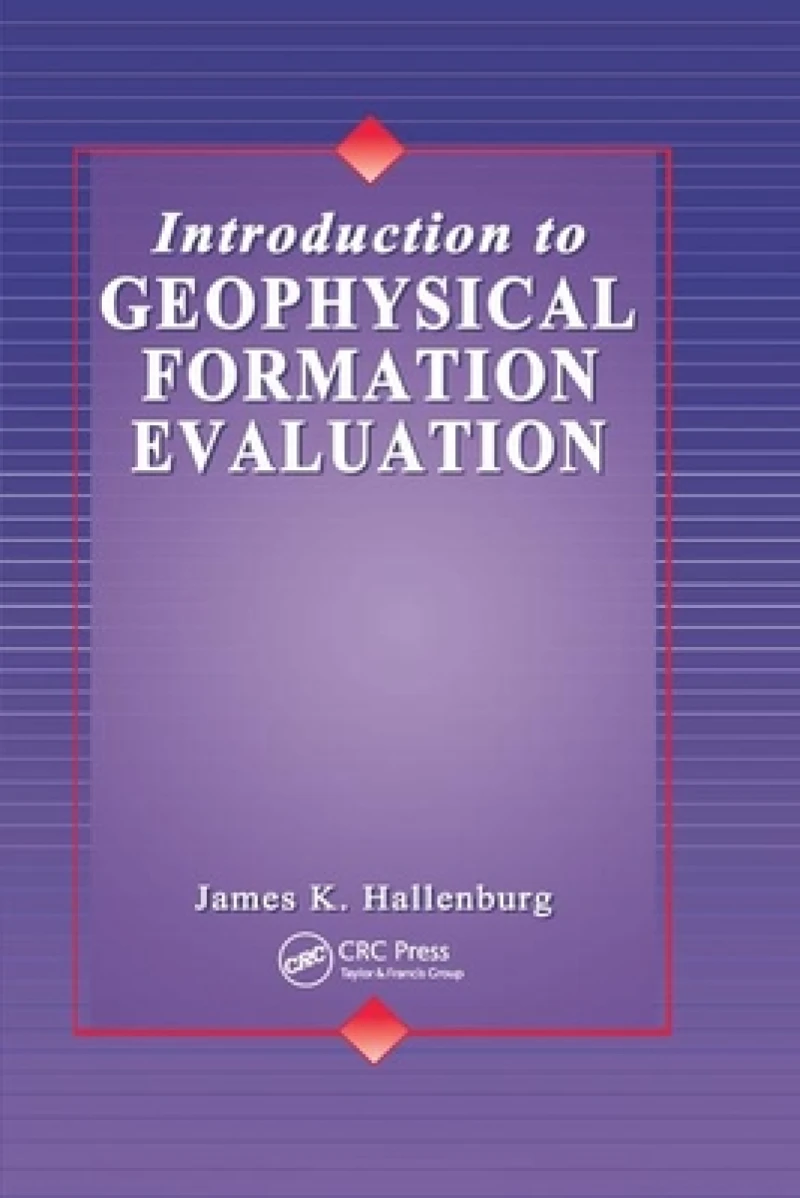
Introduction to Geophysical Formation Evaluation
Book Details
Format
Paperback / Softback
ISBN-10
0367400758
ISBN-13
9780367400750
Publisher
Taylor & Francis Ltd
Imprint
CRC Press
Country of Manufacture
GB
Country of Publication
GB
Publication Date
Sep 5th, 2019
Print length
192 Pages
Weight
453 grams
Product Classification:
Geophysics
Ksh 13,150.00
Werezi Extended Catalogue
0 in stock
Delivery Location
Delivery fee: Select location
Secure
Quality
Fast
These three works cover the entire field of formation evaluation, from basic concepts and theories, through standard methods used by the petroleum industry, on to new and exciting applications in environmental science and engineering, hydrogeology, and other fields. Designed to be used individually or as a set, these volumes represent the first comprehensive assessment of all exploration methodologies. No other books offer the breadth of information and range of applications available in this set.
The first volume, Introduction to Geophysical Formation Evaluation, is the perfect introductory reference for environmental professionals without previous training in the field. It explains the fundamentals of geophysical exploration and analysis, illuminates the underlying theories, and offers practical guidance on how to use the available methodologies. General information on material behavior, porosity, tortuosity, permeability, cores, resistivity, radioactivity, and more provides a solid foundation for more advanced studies.
The second volume, Standard Methods of Geophysical Formation Evaluation builds on the basic precepts presented in the first work but can be used alone as a self-contained reference. It covers all the petroleum-oriented standard methods which, until recently, have comprised the majority of applications of geophysical formation evaluation. It also points out non-hydrocarbon uses of petroleum methods. This volume provides complete practical information and instructions on using the standard exploration and evaluation methods. It presents comprehensive, painstakingly detailed instructions for resistivity, radiation, and acoustic methods.
The third volume, Non-Hydrocarbon Methods of Geophysical Formation Evaluation, discusses uses of formation evaluation in environmental science and engineering, hydrogeology, and other fields outside the petroleum industry, and demonstrates how the standard methods can be adapted to these non-hydrocarbon purpos
The first volume, Introduction to Geophysical Formation Evaluation, is the perfect introductory reference for environmental professionals without previous training in the field. It explains the fundamentals of geophysical exploration and analysis, illuminates the underlying theories, and offers practical guidance on how to use the available methodologies. General information on material behavior, porosity, tortuosity, permeability, cores, resistivity, radioactivity, and more provides a solid foundation for more advanced studies.
The second volume, Standard Methods of Geophysical Formation Evaluation builds on the basic precepts presented in the first work but can be used alone as a self-contained reference. It covers all the petroleum-oriented standard methods which, until recently, have comprised the majority of applications of geophysical formation evaluation. It also points out non-hydrocarbon uses of petroleum methods. This volume provides complete practical information and instructions on using the standard exploration and evaluation methods. It presents comprehensive, painstakingly detailed instructions for resistivity, radiation, and acoustic methods.
The third volume, Non-Hydrocarbon Methods of Geophysical Formation Evaluation, discusses uses of formation evaluation in environmental science and engineering, hydrogeology, and other fields outside the petroleum industry, and demonstrates how the standard methods can be adapted to these non-hydrocarbon purpos
Get Introduction to Geophysical Formation Evaluation by at the best price and quality guaranteed only at Werezi Africa's largest book ecommerce store. The book was published by Taylor & Francis Ltd and it has pages.