Book Details
Delivery Location
Delivery fee: Select location
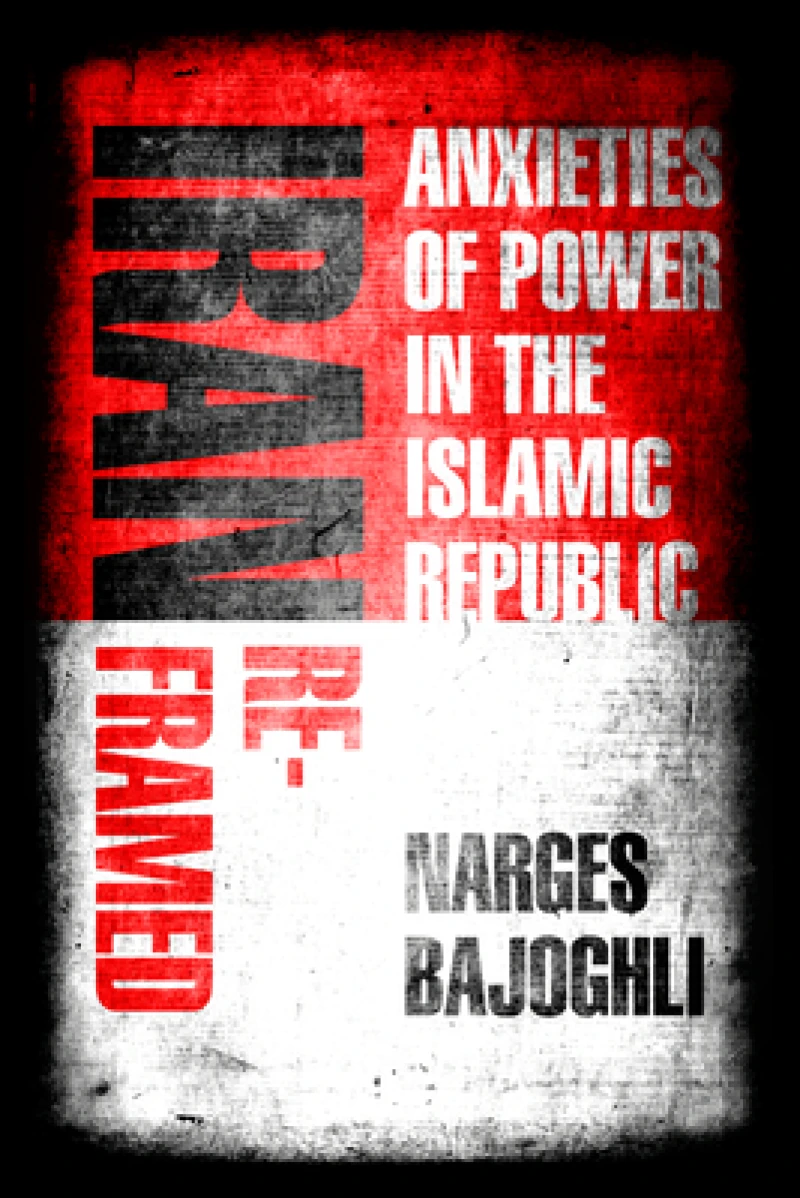
An inside look at what it means to be pro-regime in Iran, and the debates around the future of the Islamic Republic.
More than half of Iran''s citizens were not alive at the time of the 1979 Revolution. Now entering its fifth decade in power, the Iranian regime faces the paradox of any successful revolution: how to transmit the commitments of its political project to the next generation. New media ventures supported by the Islamic Republic attempt to win the hearts and minds of younger Iranians. Yet members of this new generation—whether dissidents or fundamentalists—are increasingly skeptical of these efforts.
Iran Reframed offers unprecedented access to those who wield power in Iran as they debate and define the future of the Republic. Over ten years, Narges Bajoghli met with men in Iran''s Revolutionary Guard, Ansar Hezbollah, and Basij paramilitary organizations to investigate how their media producers developed strategies to court Iranian youth. Readers come to know these men—what the regime means to them and their anxieties about the future of their revolutionary project. Contestation over how to define the regime underlies all their efforts to communicate with the public. This book offers a multilayered story about what it means to be pro-regime in the Islamic Republic, challenging everything we think we know about Iran and revolution.
Get Iran Reframed by at the best price and quality guaranteed only at Werezi Africa's largest book ecommerce store. The book was published by Stanford University Press and it has pages.