

Is Inequality the Problem?
Book Details
Format
Paperback / softback
ISBN-10
0197817106
ISBN-13
9780197817100
Publisher
Oxford University Press Inc
Imprint
Oxford University Press Inc
Country of Manufacture
GB
Country of Publication
GB
Publication Date
Jan 16th, 2026
Print length
176 Pages
Weight
262 grams
Dimensions
15.50 x 23.50 x 1.20 cms
KSh 3,750.00
Werezi Extended Catalogue
Delivery in 12 days
2 copies in stock
Delivery Location
Delivery fee: Select location
Delivery in 12 days
Secure
Quality
Fast
A data-rich analysis that will reshape our understanding of how rising income inequality has actually affected societies in the industrialized world.Increasing economic inequality is now one of the most studied subjects in the social sciences. The general view is that while its increase represents a bad social outcome in and of itself, its negative impact extends into numerous other realms of social life: declines in living standards for those in the lower deciles of the income ladder, worse health outcomes, reductions in happiness, and less opportunity for most.In Is Inequality the Problem?, Lane Kenworthy draws from a vast trove of research on the rich democracies to argue that while inequality is normatively a problem and we should therefore work to reduce it, the evidence from wealthier countries does not show that income inequality has contributed much at all to the other social ills it is associated with, like poor health outcomes. The effects vary from society to society, but typically the key contributors to negative trends like this one are factors other than inequality. Instead of trying to improve living standards, democracy, opportunity, health, and happiness indirectly via reduction in income inequality or wealth inequality, policy makers are more likely to make progress by pursuing these goals directly.This contrarian yet balanced account of one of the main social problems of our era will reshape our understanding of how rising economic inequality has affected societies in the industrialized world.
Get Is Inequality the Problem? by Lane Kenworthy at the best price and quality guaranteed only at Werezi Africa's largest book ecommerce store. The book was published by Oxford University Press Inc and it has 176 pages.
Customers Who Bought This Also Bought

Decolonizing Language and Other Revolutionary Ideas
KSh 2,350.00
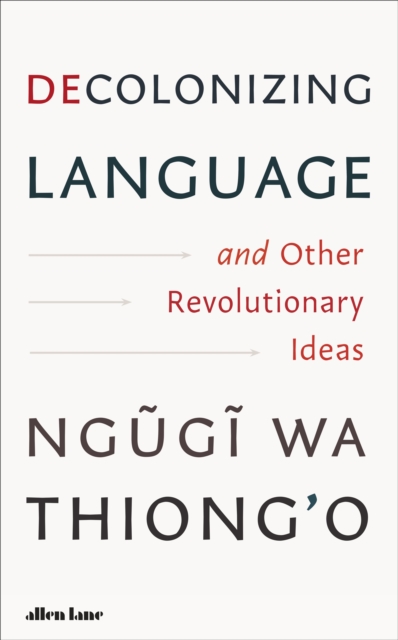
Decolonizing Language and Other Revolutionary Ideas
KSh 3,600.00

King
KSh 2,700.00
Caste
KSh 2,700.00

In the Wake
KSh 3,600.00

And So I Roar
KSh 2,000.00

Invisible Women
KSh 2,350.00

Africa''s Tarnished Name
KSh 700.00
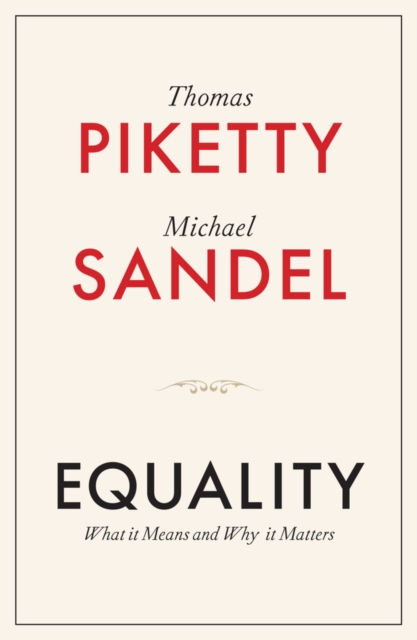
Equality
KSh 2,150.00

Pedagogy of the Oppressed
KSh 2,000.00

Citizen
KSh 2,350.00

Winners Take All
KSh 2,350.00
More by Lane Kenworthy
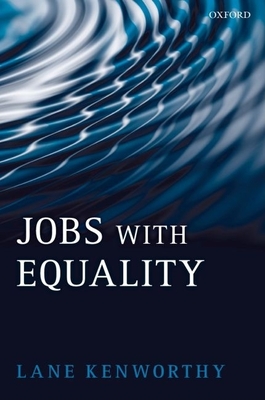
Jobs with Equality
KSh 7,650.00
Would Democratic Socialism Be Better?
KSh 17,250.00
In Search of National Economic Success
KSh 16,750.00
Social Democratic Capitalism
KSh 6,650.00
In Search of National Economic Success
KSh 26,450.00

How Big Should Our Government Be?
KSh 3,800.00

Social Democratic America
KSh 4,900.00
Progress for the Poor
KSh 19,150.00

Social Democratic America
KSh 5,800.00
Progress for the Poor
KSh 7,900.00

Is Inequality the Problem?
KSh 13,750.00
Would Democratic Socialism Be Better?
KSh 4,850.00
