
Cart 0
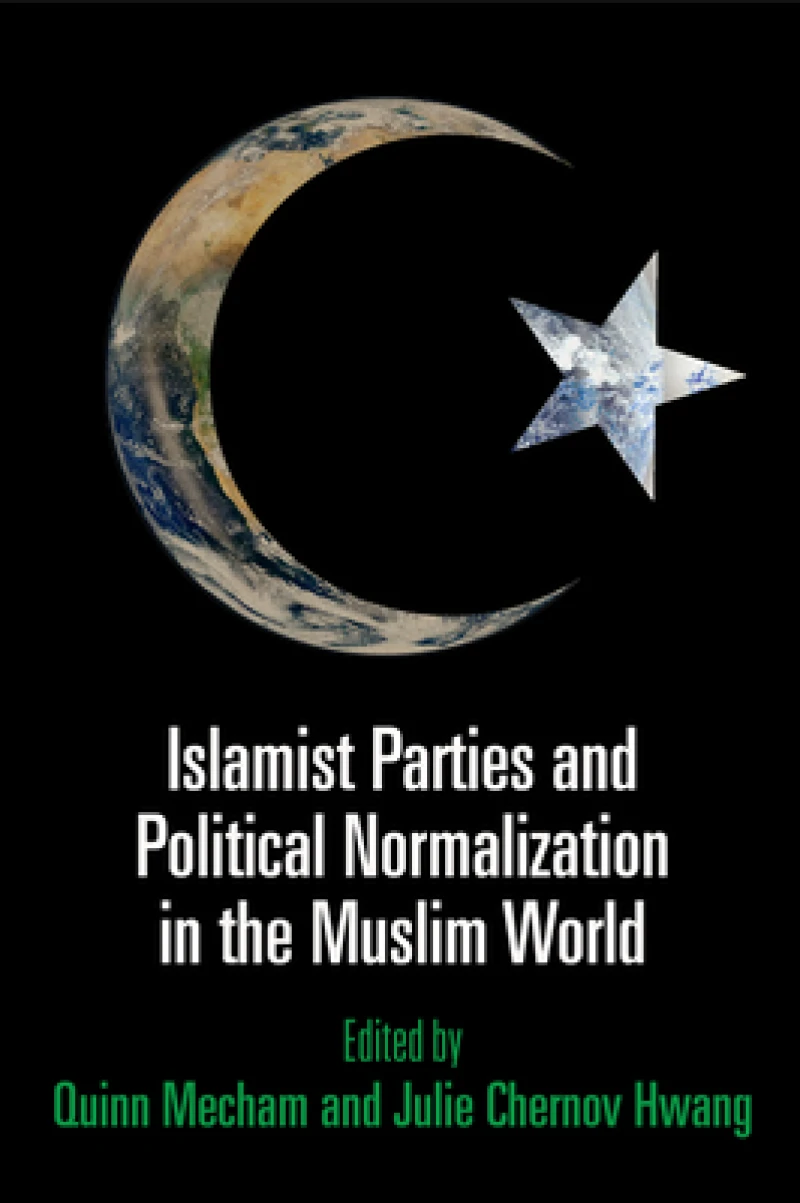
Islamist Parties and Political Normalization in the Muslim World
Click to zoom

Share this book

Islamist Parties and Political Normalization in the Muslim World

Book Details

Format Paperback / Softback
ISBN-10 1512825468
ISBN-13 9781512825466
Publisher University of Pennsylvania Press
Imprint University of Pennsylvania Press
Country of Manufacture GB
Country of Publication GB
Publication Date Aug 15th, 2023
Print length 277 Pages
Weight 374 grams
Dimensions 15.20 x 22.90 x 1.70 cms
Ksh 4,300.00
Werezi Extended Catalogue Delivery in 28 days

Delivery Location

Delivery fee: Select location

Delivery in 28 days

Secure
Quality
Fast
Since 2000, more than twenty countries around the world have held elections in which parties that espouse a political agenda based on an Islamic worldview have competed for legislative seats. Islamist Parties and Political Normalization in the Muslim World examines the impact these parties have had on the political process in two different areas of the world with large Muslim populations: the Middle East and Asia. The book's contributors examine major cases of Islamist party evolution and participation in democratic and semidemocratic systems in Turkey, Morocco, Yemen, Indonesia, Malaysia, and Bangladesh. Collectively they articulate a theoretical framework to understand the strategic behavior of Islamist parties, including the characteristics that distinguish them from other types of political parties, how they relate to other parties as potential competitors or collaborators, how ties to broader Islamist movements may affect party behavior in elections, and how participation in an electoral system can affect the behavior and ideology of an Islamist party over time. Through this framework, the contributors observe a general tendency in Islamist politics. Although Islamist parties represent diverse interests and behaviors that are tied to their particular domestic contexts, through repeated elections they often come to operate less as antiestablishment parties and more in line with the political norms of the regimes in which they compete. While a few parties have deliberately chosen to remain on the fringes of their political system, most have found significant political rewards in changing their messages and behavior to attract more centrist voters. As the impact of the Arab Spring continues to be felt, Islamist Parties and Political Normalization in the Muslim World offers a nuanced and timely perspective of Islamist politics in broader global context. Contributors: Wenling Chan, Julie Chernov Hwang, Joseph Chinyong Liow, Driss Maghraoui, Quinn Mecham, Ali Riaz, Murat Somer, Stacey Philbrick Yadav, Saloua Zerhouni.

Since 2000, more than twenty countries around the world have held elections in which parties that espouse a political agenda based on an Islamic worldview have competed for legislative seats. Islamist Parties and Political Normalization in the Muslim World examines the impact these parties have had on the political process in two different areas of the world with large Muslim populations: the Middle East and Asia. The book''s contributors examine major cases of Islamist party evolution and participation in democratic and semidemocratic systems in Turkey, Morocco, Yemen, Indonesia, Malaysia, and Bangladesh. Collectively they articulate a theoretical framework to understand the strategic behavior of Islamist parties, including the characteristics that distinguish them from other types of political parties, how they relate to other parties as potential competitors or collaborators, how ties to broader Islamist movements may affect party behavior in elections, and how participation in an electoral system can affect the behavior and ideology of an Islamist party over time.
Through this framework, the contributors observe a general tendency in Islamist politics. Although Islamist parties represent diverse interests and behaviors that are tied to their particular domestic contexts, through repeated elections they often come to operate less as antiestablishment parties and more in line with the political norms of the regimes in which they compete. While a few parties have deliberately chosen to remain on the fringes of their political system, most have found significant political rewards in changing their messages and behavior to attract more centrist voters. As the impact of the Arab Spring continues to be felt, Islamist Parties and Political Normalization in the Muslim World offers a nuanced and timely perspective of Islamist politics in broader global context.
Contributors: Wenling Chan, Julie Chernov Hwang, Joseph Chinyong Liow, Driss Maghraoui, Quinn Mecham, Ali Riaz, Murat Somer, Stacey Philbrick Yadav, Saloua Zerhouni.


Get Islamist Parties and Political Normalization in the Muslim World by at the best price and quality guaranteed only at Werezi Africa's largest book ecommerce store. The book was published by University of Pennsylvania Press and it has pages.


Mind, Body, & Spirit

Price

Ksh 4,300.00

Shopping Cart

Africa largest book store

Sub Total:
Ebooks

Digital Library
Coming Soon

Our digital collection is currently being curated to ensure the best possible reading experience on Werezi. We'll be launching our Ebooks platform shortly.