

Ixiptla Volume V Amarantus
Book Details
Format
Paperback / softback
ISBN-10
3964360465
ISBN-13
9783964360465
Publisher
BOM DIA BOA TARDE BOA NOITE UG (haftungsbeschrankt)
Imprint
BOM DIA BOA TARDE BOA NOITE UG (haftungsbeschrankt
Country of Manufacture
DE
Country of Publication
GB
Publication Date
Jan 1st, 2023
Print length
208 Pages
Weight
734 grams
Dimensions
22.20 x 25.20 x 1.70 cms
Product Classification:
The Arts
KSh 4,600.00
Werezi Extended Catalogue
Delivery in 12 days
1 copies in stock
Delivery Location
Delivery fee: Select location
Delivery in 12 days
Secure
Quality
Fast
The word amarantus, which gives name to this publication, comes from the Greek aµ??a????, and describes a flower that never wilts. This plant is still used to prepare ixiptlahuan, which are anthropomorphic and zoomorphic figures that are ritually consumed by some indigenous peoples in Mexico. The amaranth flower represents the persistence of the “uncomfortable objects” that Castillo Deball makes visible in her historical itineraries and approximations, and that keep speaking to us in the present.Ever since her early works, the artist has explored how chance — a product of the passing of time, erosion, fragmentation, and human intervention, among other factors — determines, to a large extent, the way we learn about the world and the narratives we create. This interest has led her to investigate the history of certain artifacts and their vicissitudes, reproductions, appropriations, and disappearances. Her formal strategies tend to reflect an inclination toward methodologies used by archaeologists to “trap” their findings. The resulting objects, or substitute images, conceptually approach the ancient Nahua notion of ixiptla, which can be interpreted as representation, image, and substitute, but also as skin. This concept is indispensable for approaching many of Castillo Deball’s projects from the past decade.This publication features some of the artist’s long-term collaborators and interlocutors, including: Tatiana Falcón, with whom she made The Painter’s Garden; the organization Cooperación Comunitaria for The Double Life of the Azoyú Codex; Diana Magaloni around the term ixiptla and In Tilli in Tlapalli; Hubert Matiúwàa, through poems from his book Skin People; Barbara Mundy on cartography and the artist’s floor pieces; Jennifer Reynolds-Kaye on Alfred Maudslay; and Catalina Lozano about the history of women who have practiced archaeology in Mexico. The publication also includes the essay A Dystopic Mesoamerica by Yásnaya Elena and an excerpt of Emiliano Monge’s novel Weaving Darkness.
Get Ixiptla Volume V Amarantus by Mariana Castillo Deball at the best price and quality guaranteed only at Werezi Africa's largest book ecommerce store. The book was published by BOM DIA BOA TARDE BOA NOITE UG (haftungsbeschrankt) and it has 208 pages.
Customers Who Bought This Also Bought

Dead and Alive
KSh 3,950.00
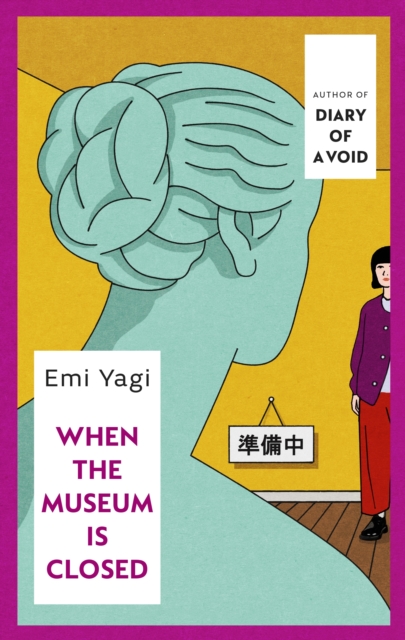
When the Museum is Closed
KSh 2,700.00
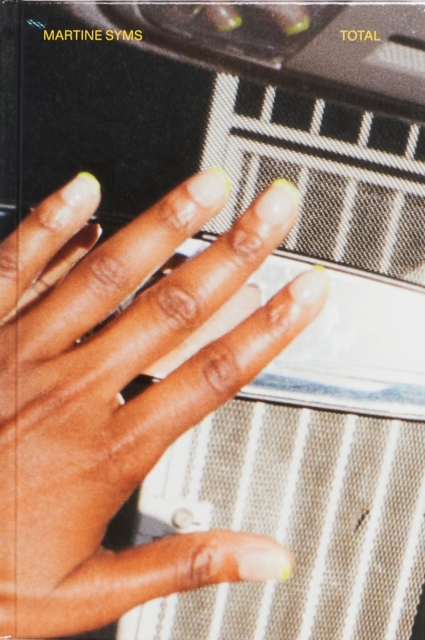
Total
KSh 7,550.00

Marble in Metamorphosis
KSh 4,500.00
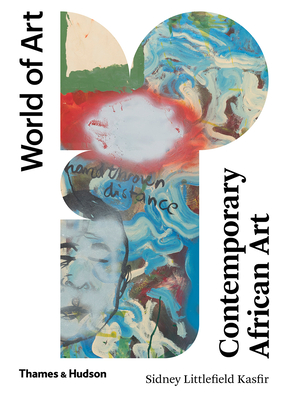
Contemporary African Art
KSh 2,800.00
When the Museum is Closed
KSh 1,800.00
You'll Never Know . . . If You Don't Try!
KSh 1,750.00

Mash Up
KSh 8,400.00

Strategic Use of Humour in Politics
KSh 30,950.00

Breaking into Sound Design for Video Games
KSh 9,900.00

Half State
KSh 3,600.00

Navigating Media Work
KSh 30,950.00
